Discover adaptive reuse, an approach that gives old buildings new life through new purposes while preserving their character and historical significance.
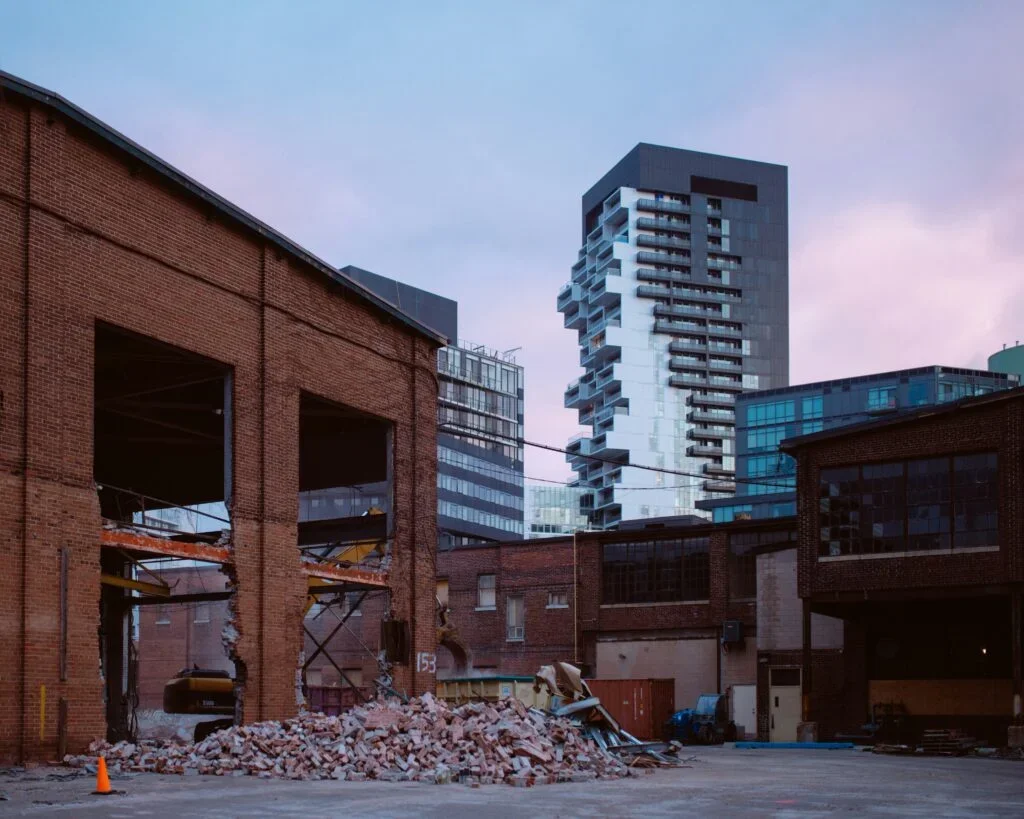
In many cities, buildings are often valued solely for their function and economic worth. Once they no longer serve their original purpose, their existence is called into question. When a factory ceases operations, a warehouse falls out of use, or an office stands empty, these structures are gradually seen as obsolete. Many are ultimately demolished to make way for new developments that are perceived as better suited to today's economic demands.
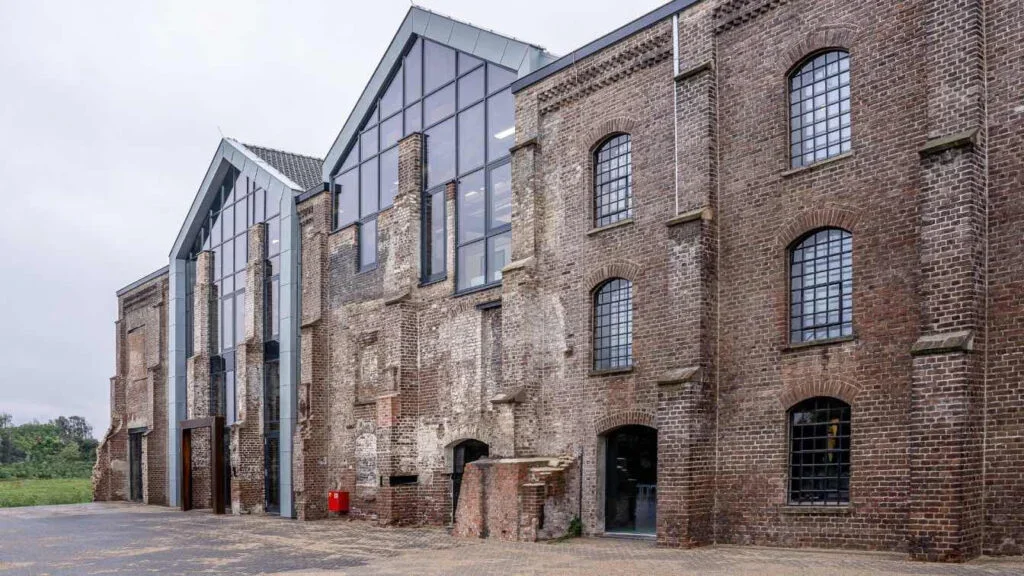
This way of thinking has long shaped the construction industry. Once a building no longer meets changing needs, starting from scratch is almost always seen as the best solution. As a result, older buildings are often treated as though they have reached the end of their lifespan. Yet beneath their walls and structures lies far more than concrete, steel, and glass. They embody natural resources that have already been extracted and processed, energy consumed throughout the construction process, and layers of history that have gradually shaped their character and identity.
When a building is demolished, what disappears is more than its walls, roof, or structural frame. Materials that could still be reused become waste, while new construction demands another round of resource extraction and energy consumption. As the climate crisis intensifies, this long-standing approach is increasingly being questioned by architects, designers, and urban planners. Does every building that has outlived its original purpose truly need to be torn down, or could it instead be given a new life?
It is from this question that the concept of adaptive reuse emerged.
Understanding Adaptive Reuse
Adaptive reuse is the practice of transforming an existing building for an entirely new purpose while preserving its core structure and architectural character. A warehouse can become an art gallery, a former factory can be reimagined as a creative hub, and an old office building can find new life as a hotel or community center. What changes is not the building itself, but the way we perceive and use it. Rather than erasing its past, adaptive reuse builds upon it, allowing history to become the foundation for a new chapter.
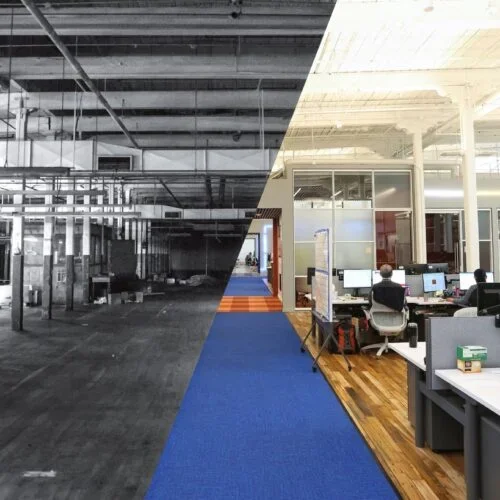
In recent years, adaptive reuse has gained increasing attention not only for its ability to preserve the historical and cultural significance of buildings, but also for its environmental benefits. Architects, designers, and researchers are increasingly viewing existing buildings as valuable resources rather than obsolete structures. This is because a building's carbon footprint is generated long before it is occupied. Significant emissions are produced during the extraction of raw materials, manufacturing, transportation, and construction. These emissions are known as embodied carbon. When a building is demolished, the resources consumed and the carbon emissions embedded within it are effectively discarded along with the structure itself. (ArchDaily, 2021)
Research continues to reinforce these benefits. A study published in the journal Energy and Buildings in 2026 compared adaptive reuse projects with new construction and found that retaining existing buildings can reduce embodied carbon by approximately 46%, while lowering whole-life carbon emissions by around 19%. The study also concluded that adaptive reuse can significantly reduce the demand for new construction materials and lower overall construction costs, making it not only a more sustainable approach but also a more resource-efficient and economically viable solution over the long term.
It is from this perspective that a phrase now widely embraced in sustainable architecture has emerged: "The greenest building is the one already built." Simple as it may sound, the idea carries a profound message. The most sustainable building is not always the newest one equipped with cutting-edge technology, but often the one that is
given the opportunity to continue its life.
Adaptive reuse, however, is about more than reducing carbon emissions. It is also a way of preserving the collective memory of a city. Many older buildings possess qualities that are difficult to replicate in contemporary construction, from their spatial proportions and architectural details to the stories embedded within their walls. By giving these buildings a new purpose, adaptive reuse preserves not only their physical fabric but also the emotional connection that communities have formed with places that have shaped everyday life for generations.
Adaptive Reuse in Practice
Around the world, adaptive reuse has demonstrated that buildings once considered obsolete can become some of the most vibrant and meaningful places in a city.
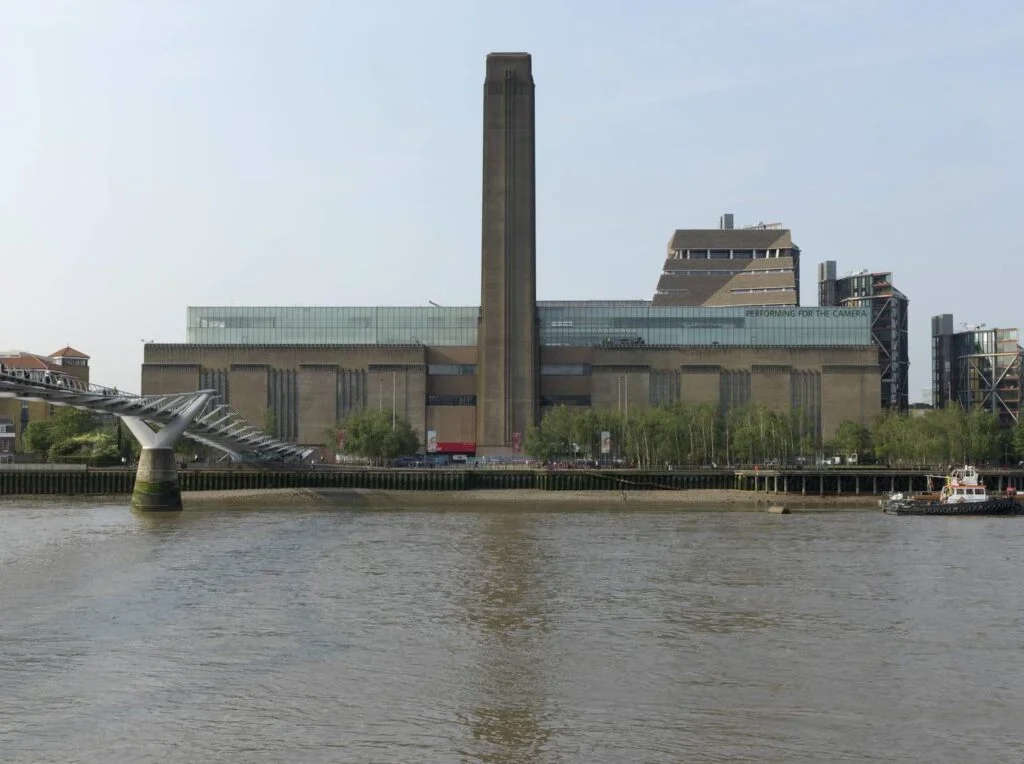
Take Tate Modern in London, for example. The museum was once the Bankside Power Station, which ceased operations in the early 1980s. Rather than demolishing the industrial structure, it was transformed into a museum of contemporary art that has since become one of the world's most visited cultural destinations. It is hard to imagine that the galleries now filled with millions of visitors each year once stood silent as part of an industrial facility.
A similar story can be found in New York with The High Line. Once an abandoned freight railway left unused for decades, it has been transformed into an elevated public park stretching through the heart of Manhattan. Beyond creating much-needed green space, the project revitalized the surrounding neighborhoods and reshaped the way people experience the city. In Cape Town, South Africa, the former Grain Silo Complex was reimagined as the Zeitz Museum of Contemporary Art Africa (Zeitz MOCAA), preserving its distinctive industrial architecture while giving it a new cultural purpose.
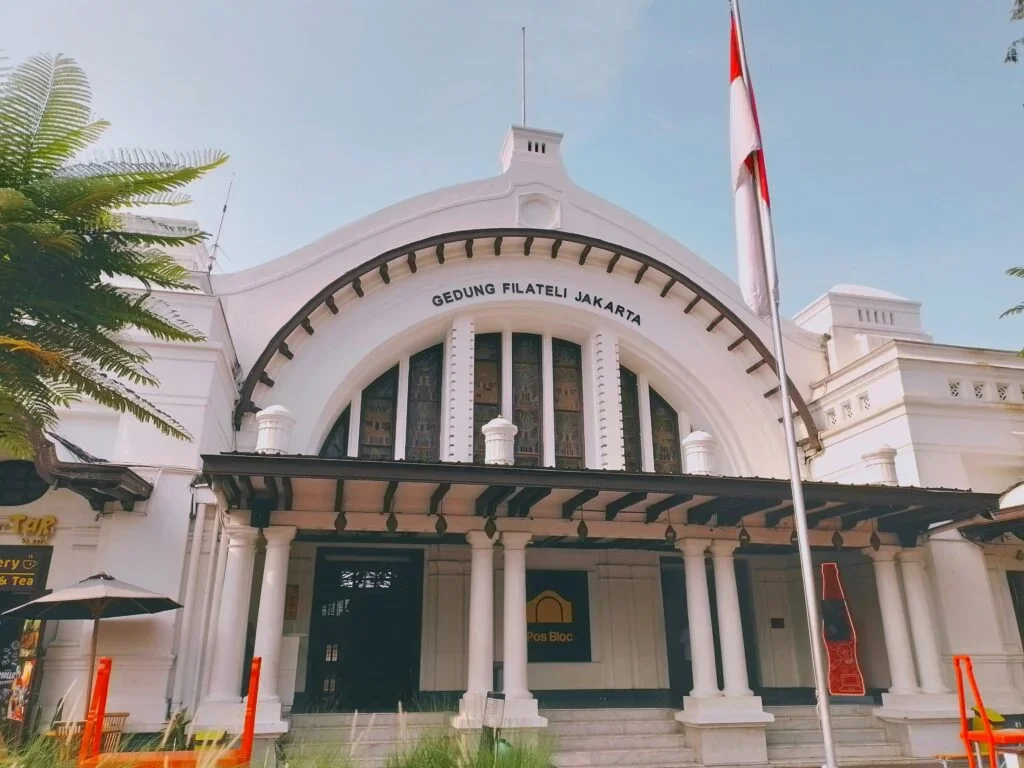
Indonesia has embraced the same approach. In Jakarta, M Bloc Space, formerly a government-owned Peruri complex, has evolved into a thriving creative hub filled with independent retailers, performance venues, cafés, and community spaces. Nearby, Pos Bloc Jakarta has breathed new life into the city's historic post office, transforming it into a lively public destination where art, food, and culture intersect. Further east in Brebes, the former Banjaratma Sugar Factory has found an unexpected second life as a highway rest area. Rather than erasing its industrial past, the project preserves the factory's original machinery and architectural elements, allowing visitors to experience the site's history while serving an entirely new function.
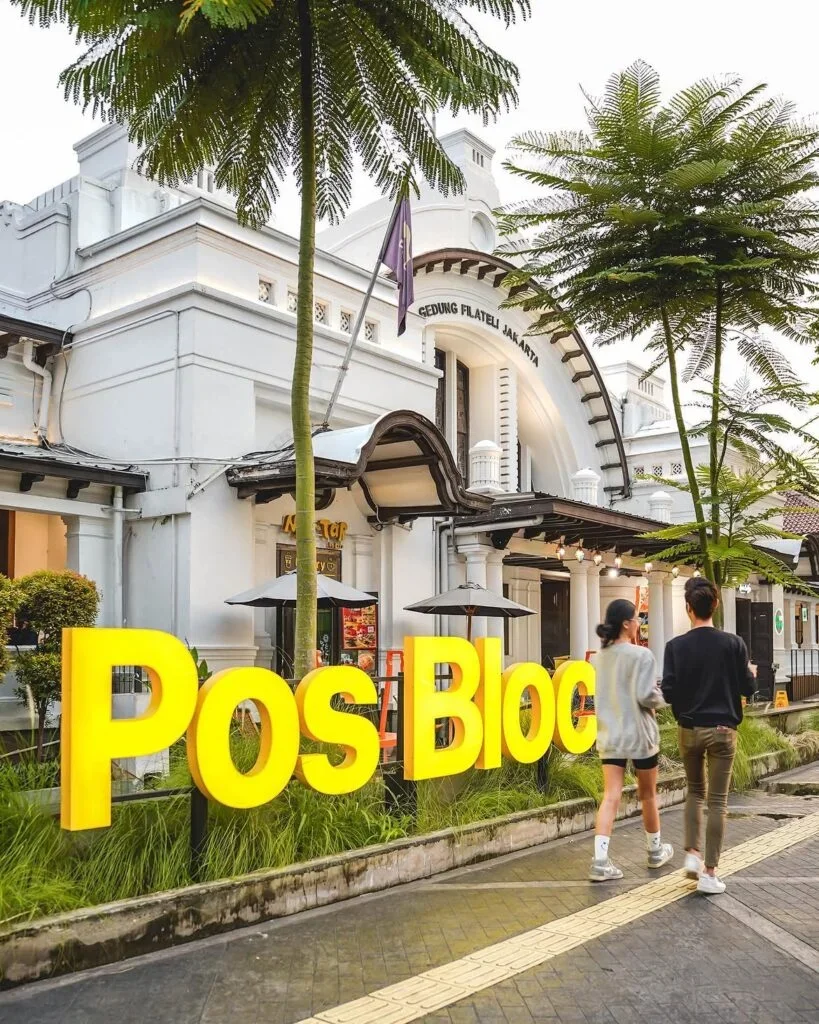
These transformations demonstrate that older buildings do not have to stand in the way of urban development. On the contrary, they can serve as the foundation for new activities without erasing the identity they have accumulated over decades, or even centuries. A study published in The Historic Environment: Policy & Practice also found that adaptive reuse in Jakarta is playing an increasingly important role in preserving the city's historic buildings while supporting more sustainable urban development.
Of course, not every building can or should be preserved. There are cases where a structure is no longer safe or has deteriorated beyond practical repair. Yet a growing number of architects, researchers, and urban planners agree that the first question should no longer be, "Should this building be demolished?" Instead, it should be, "Can this building be given a new life?"
Perhaps what needs to change is not the building itself, but the way we see it. When a building's original purpose comes to an end, its value does not necessarily disappear with it. As cities search for more sustainable ways to grow, giving existing buildings a second life may prove just as important as constructing new ones. After all, the future does not always begin with a new foundation. Sometimes, it begins by giving old spaces the opportunity to live again.