AI, but make it fashion? Alta and Daydream, two AI-powered fashion apps launched around the same time, both backed by impressive funding and industry support.
They may not be the first apps for styling, online shopping, and documenting what is in your wardrobe. But both are expected to bring some major changes to the industry. Much like the AI-generated artwork that recently stirred up controversy at Christie’s.
Lately, I’ve been seeing the term fashion tech everywhere. Naturally, the first thing that comes to mind is artificial intelligence (AI), which is currently having a major moment. Everyone seems eager to learn about it and make AI a friend rather than a foe. Naturally, its effects, both good and bad, are bound to ripple across industries.
The fashion industry is no exception. This year, two AI-based applications have emerged for styling, shopping, and “managing” your wardrobe. These two, Alta and Daydream, are not the first of their kind. There have already been plenty of predecessors, but expectations for these two are particularly high. So are their funding rounds.
Alta
 Dok. Alta
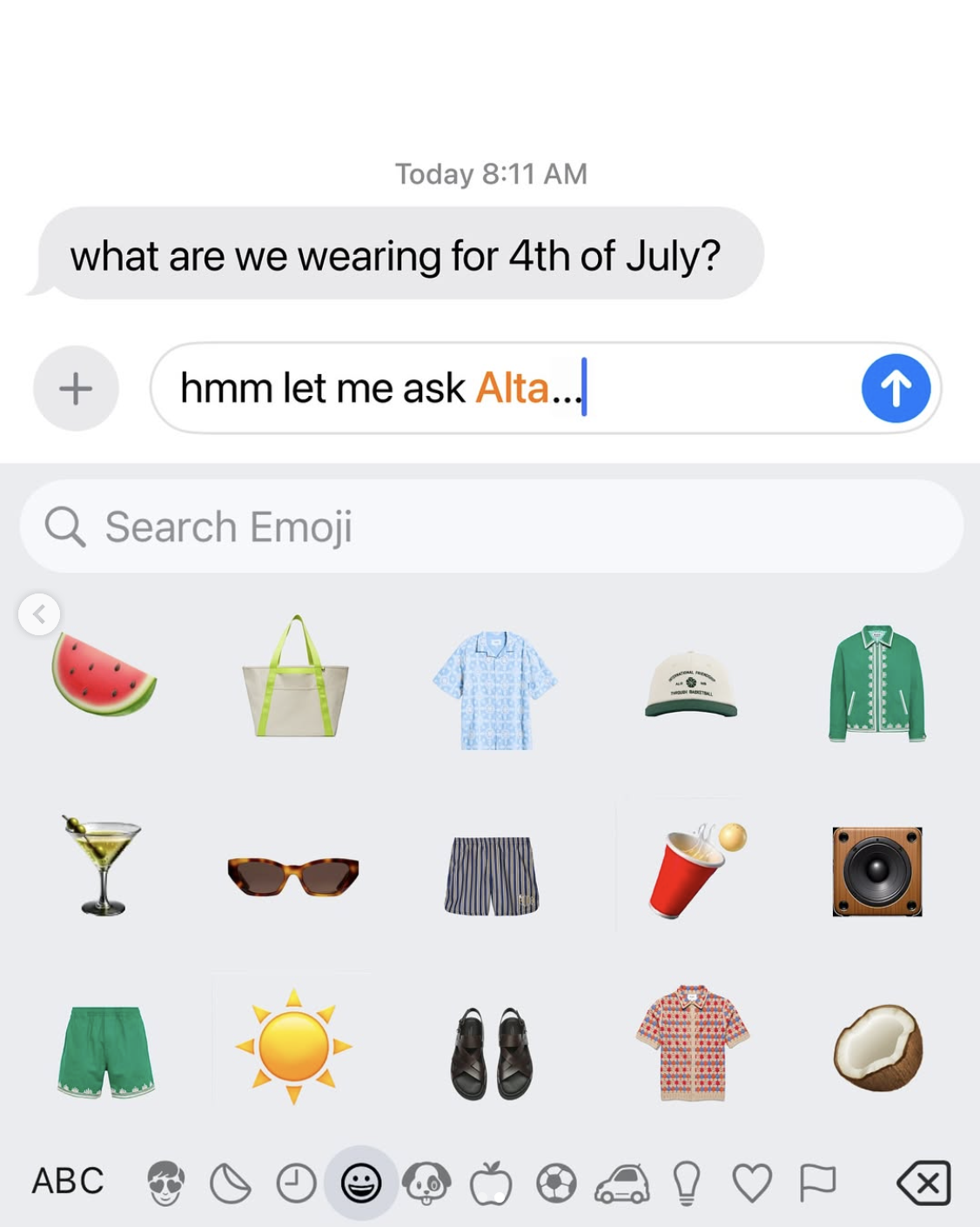
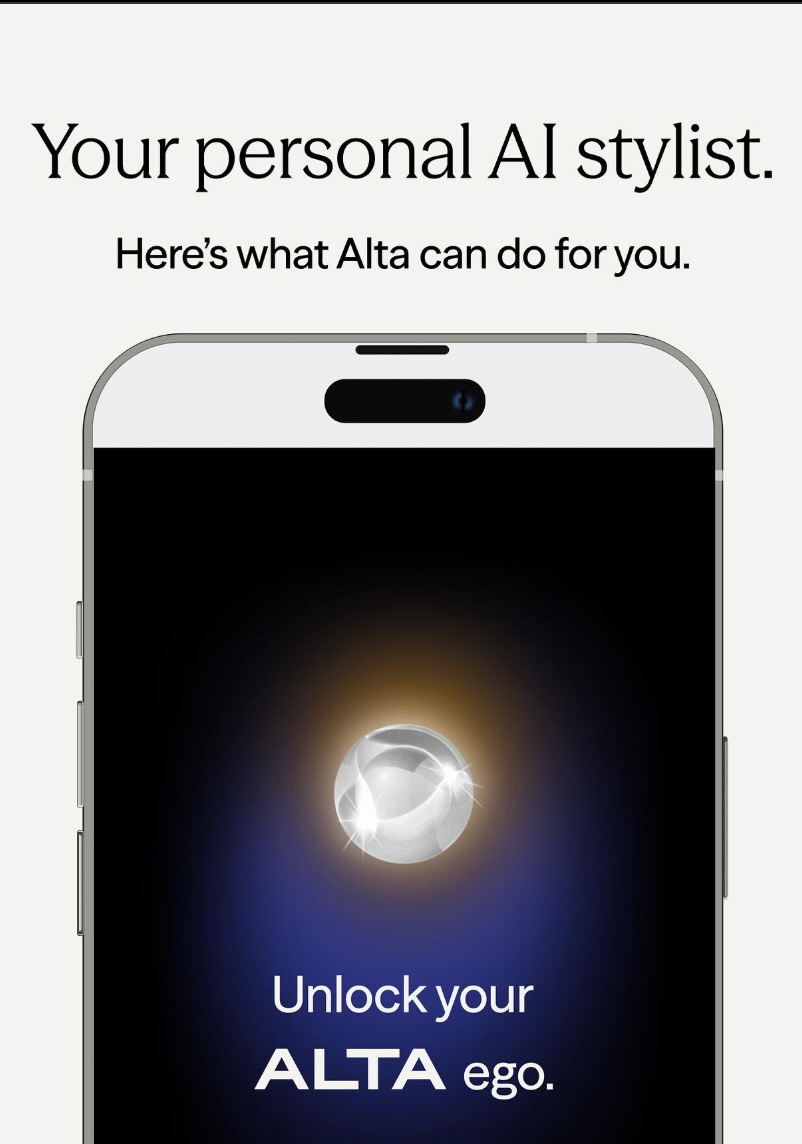
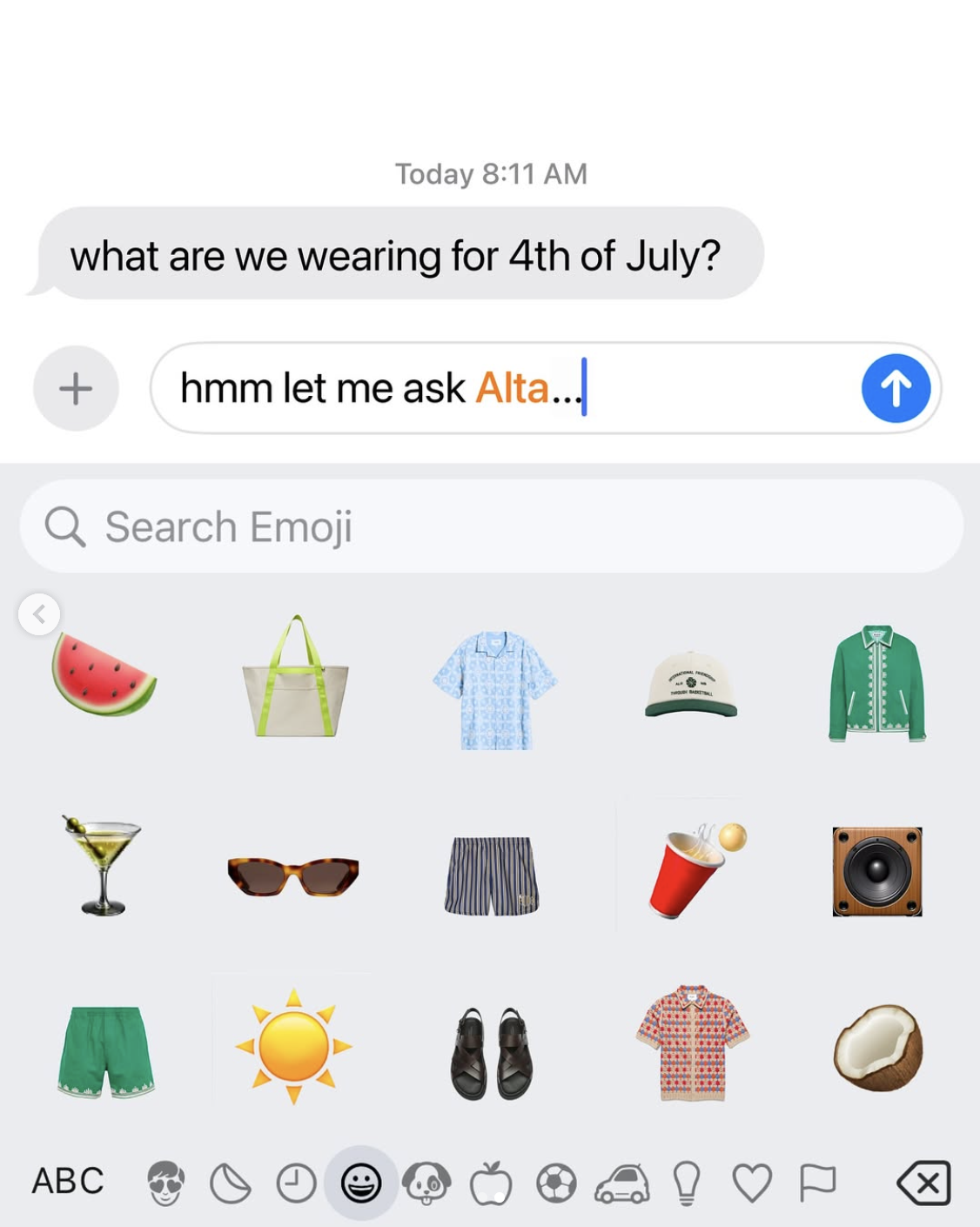
In fashion, this ranges from virtual influencers and wardrobe management to personal AI stylists. One example is Alta, which launched earlier this year. If you’ve seen Clueless, released in 1995, you’ll probably recognize exactly where the inspiration comes from. Alta was created by Harvard graduate and fashionista Jenny Wang. This AI-powered styling and shopping app has raised around Rp178.18 billion in funding. So far, Alta users are spread across 40 countries.
Unique Features
Like other AI tools, the more you use it, the more it learns and adapts to your personal taste. Beyond being a wardrobe manager, the app encourages users to upload every item they own, even their shopping receipts if possible. This allows Alta’s AI to calculate the cost-per-wear, so you can figure out whether that item on your wishlist is actually worth it or not.
Alta also has an interesting feature for travel. It can recommend which suitcase to bring and even help organize what you should pack when heading to a concert! There is also a weather feature built into Alta, so you don’t have to keep jumping between different apps just to check the weather.
Funding & Partners
Jenny’s success has also come from support across different circles. Alta’s initial funding came from Menlo Ventures and Aglaé Ventures, which is backed by the Arnault family. Yes, that LVMH Arnault.
Support has also come from 370 members of the Council of Fashion Designers of America (CFDA), Meredith Koop, who previously worked as Michelle Obama’s personal stylist, the venture capital firm of Kamala Harris’s niece, senior business figures, and even supermodels.
For now, Alta makes money through shopping. When users check out directly through the app, Alta takes a cut. The platform has also partnered with trusted shopping destinations, including Saks Fifth Avenue, Bloomingdale’s, Nordstrom, Rakuten, and Sovrn.
According to one user, the app is a great fit for anyone who is really “into fashion.” She gave several examples on an episode of a podcast. One of them is that not everyone is willing to photograph and upload their wardrobe item by item just to receive shopping recommendations. Not everyone has the time to do that.
Daydream
Adding clothes to an online shopping cart is nothing new. But for fashion lovers who are into personalized shopping and online shopping, Daydream is said to be an app-must-have.
View this post on Instagram
X Factor
The online shopping trend is expected to grow this year. Just like online streaming, online shopping is becoming increasingly fragmented. There’s e-commerce, live shopping, TikTok Shop, and even jastip—Indonesia’s version of personal shopping services. Unlike choosing a movie or series, deciding which clothes or dress to buy also requires some research. Even SEO is said to be having its sunset moment. So, who should we turn to now?
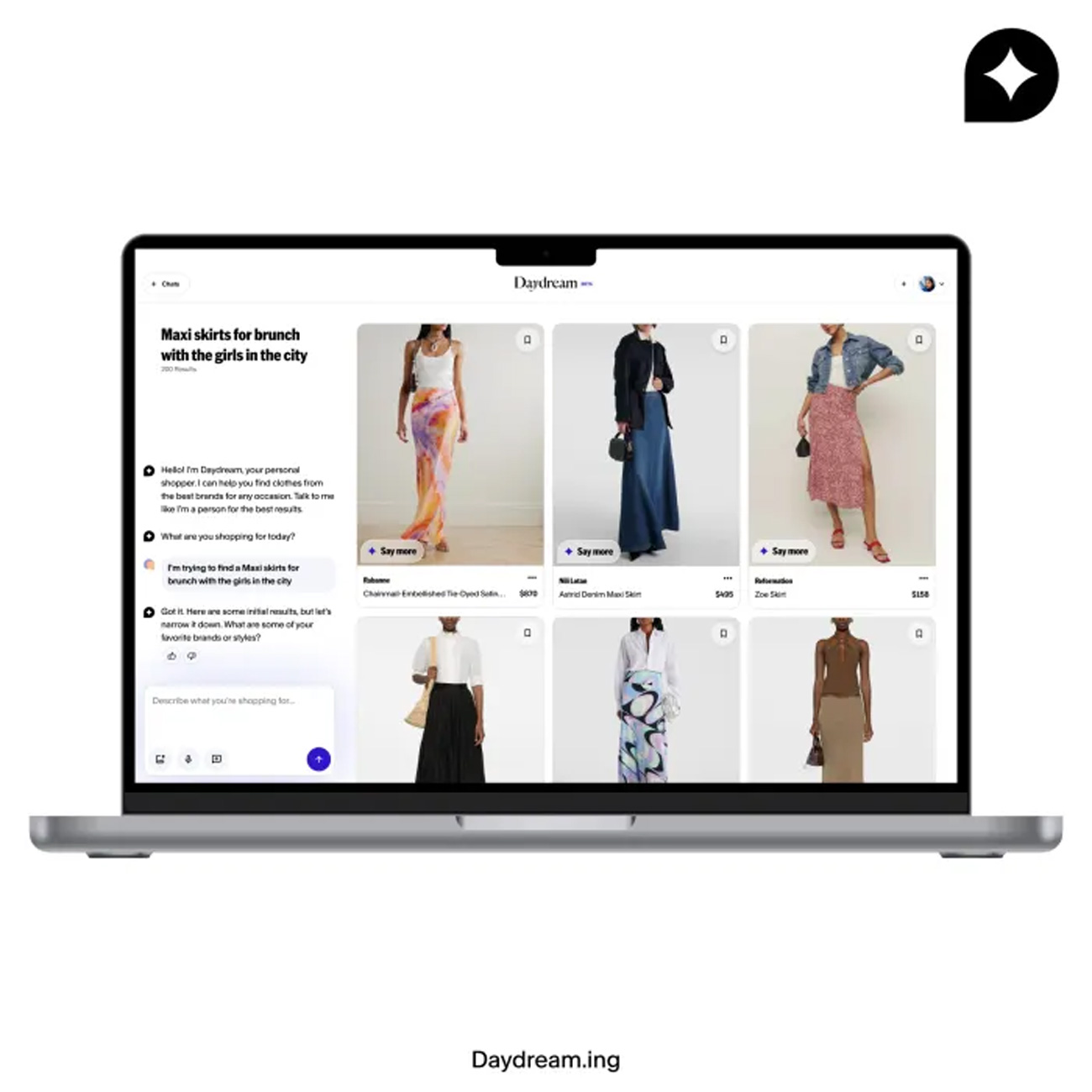 Tampilan Daydream di layar desktop; Dok. Daydream.ing
The answer? Ourselves. After building her career in the e-commerce world with companies like Nordstrom, Urban Outfitters, and Sephora, Julie Bornstein has now founded Daydream.
Unique Features
Daydream focuses on personalized online shopping. The more personal it gets, the more unique the experience. Like the foundation of any AI-powered app, it all comes down to the prompt. Looking for the perfect dress, shoes, and accessories to pair with your dress watch for a wedding? Just upload a photo and enter the right prompt.
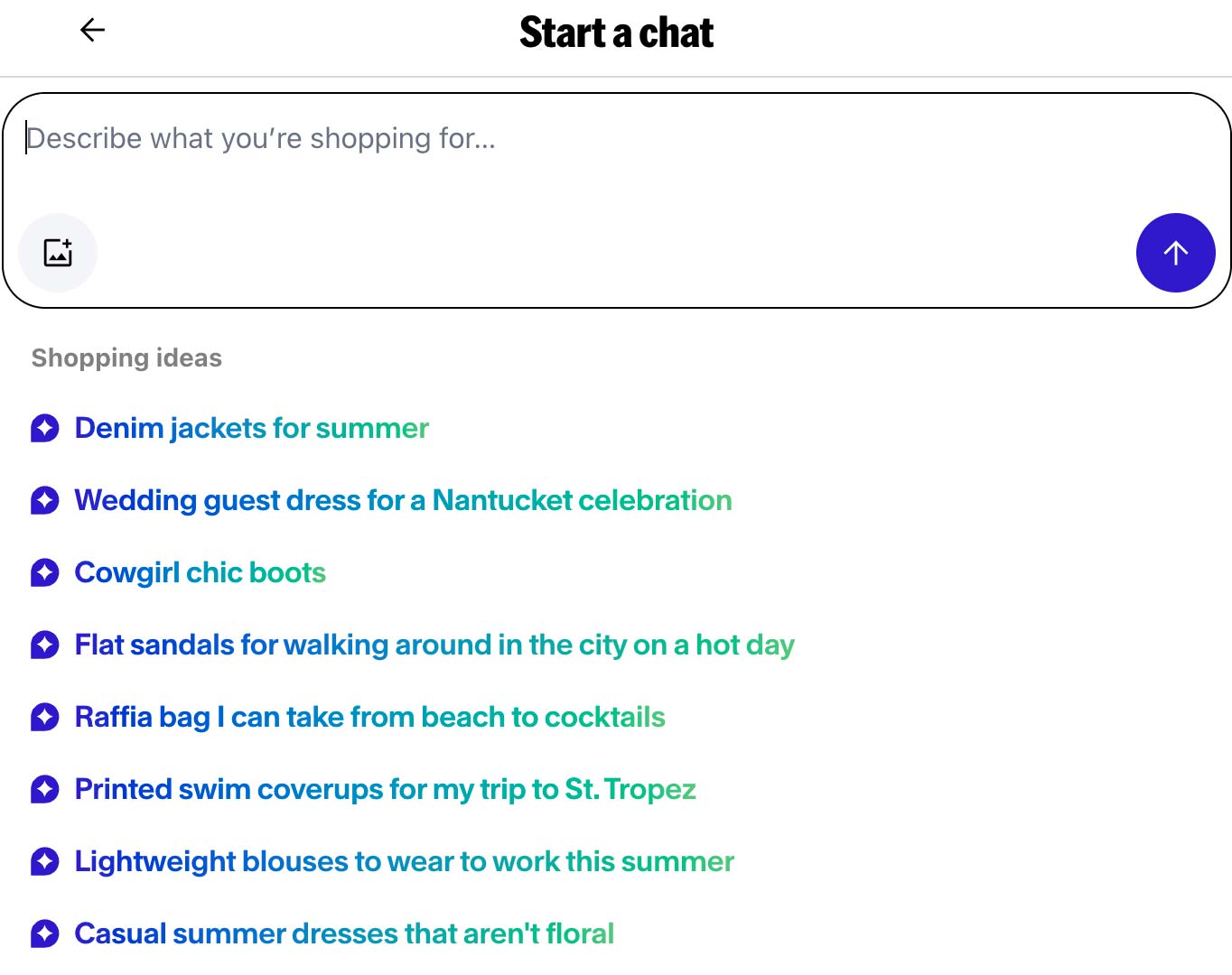 Contoh prompt di aplikasi Daydream; Dok. Daydream.ing
Fitur “Say More” di Daydream diciptakan untuk semakin mengerucutkan pilihan produk sesuai prompt kamu. Sedangkan “Style Passport” jadi kuncian user untuk nama, ukuran, label favorit, budget, dan yang lainnya.
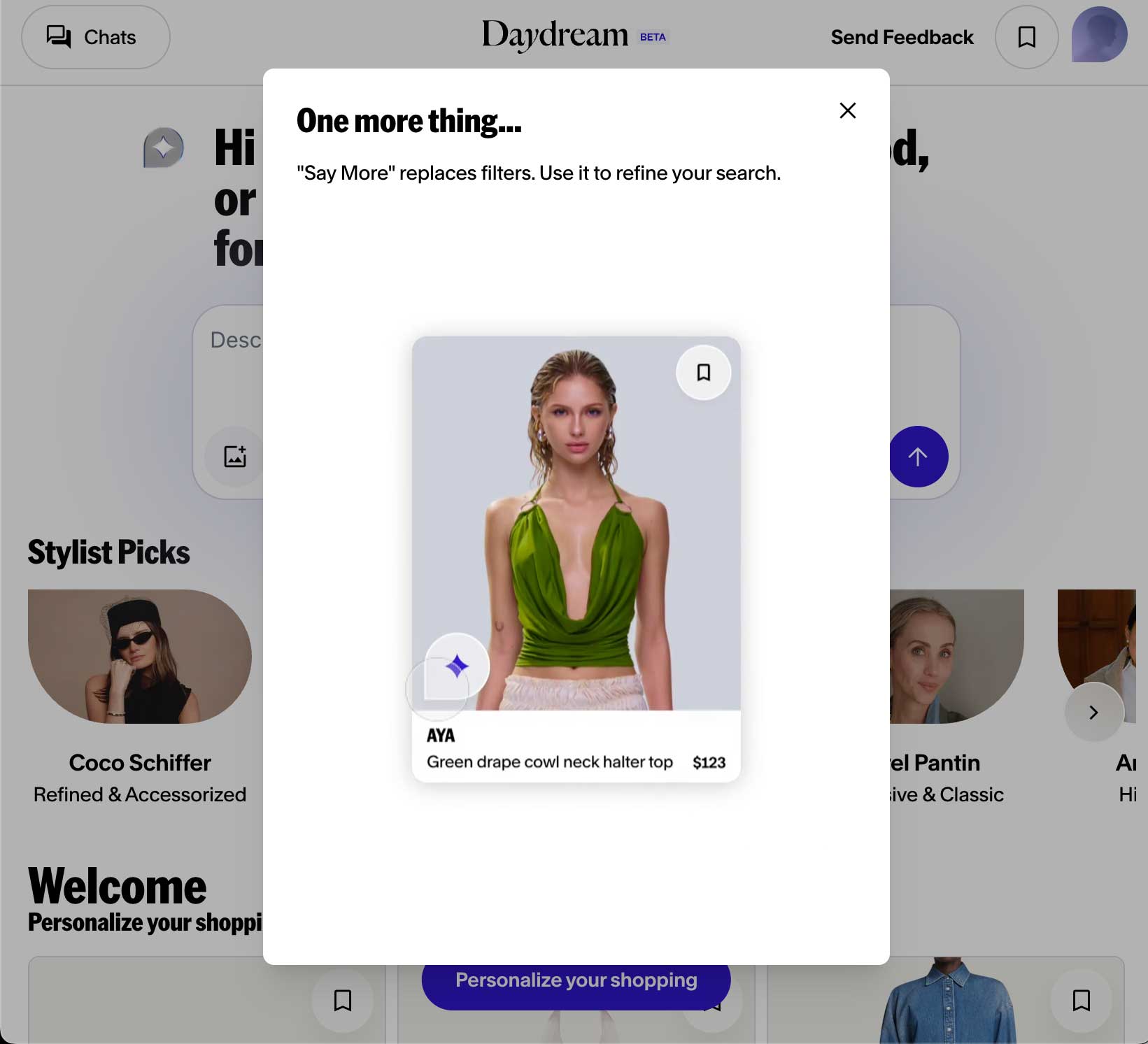 Dok. Daydream.ing
Funding & Partners
So far, Daydream has partnered with more than 200 retail partners and 8,500 fashion labels, including trusted shopping destinations for women such as Net-A-Porter and Mytheresa. The company has also received funding from Forerunner Ventures, Index Ventures, Google Ventures, and True Ventures, as well as models and fashion stylists. Julie has raised around Rp809.92 billion in seed funding.
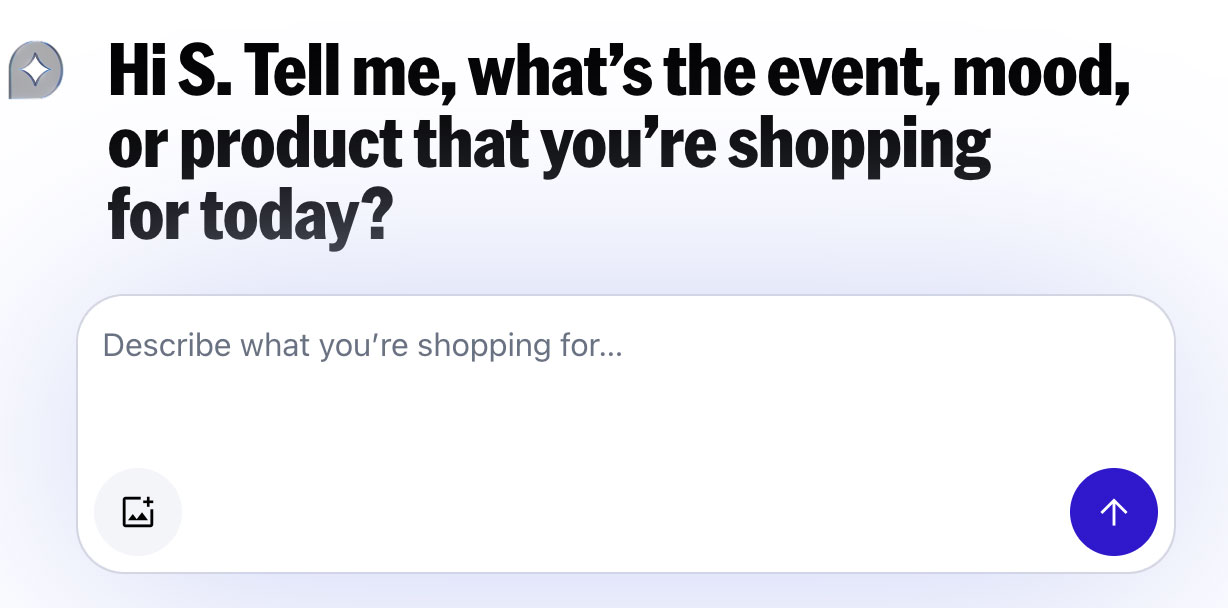 Contoh kolom chat di aplikasi Daydream; Dok. Daydream
Julie is no stranger to the world of generative AI. Before Daydream, she was the woman behind The Yes, an AI-powered shopping tool that she eventually sold to Pinterest. Several members of the Daydream team also bring impressive experience to the table. Some previously worked in Google’s artificial intelligence research group, led Data and Applied Science at Microsoft, worked at Pinterest, and even at Condé Nast. For now, Daydream is implementing a commission-based revenue model of 20%.
There are competitors, too. And more are likely to emerge. Search engines like Google and Amazon have already added layers of shopping features to their respective AI offerings. Pinterest has also been upgraded to let users create an online moodboard with just a few clicks. Then there are Deft and Cherry.
But everything mentioned above differs from what Alta and Daydream have to offer. These two apps put personalization at the center of the experience. Have you tried either of them?