IndoBuildTech Bandung 2026 highlights the latest innovations in construction, architecture, and interior design across West Java.
Amid the rapid growth of the construction, architecture, and interior design sectors in West Java, the need for a forum that brings together industry players, practitioners, and the public is becoming increasingly important. The development of technology, the emergence of new materials, and changing approaches to spatial design are encouraging conversations that go beyond disciplinary boundaries and create opportunities for new ideas to emerge.
Responding to this need, IndoBuildTech Bandung 2026 was held at Sudirman Grand Ballroom, Bandung, from May 7–10, 2026. Its presence marked part of IndoBuildTech’s efforts to reach the growing West Java market, while further highlighting Bandung’s position as a city with a dynamic design, architecture, and creative industry scene.
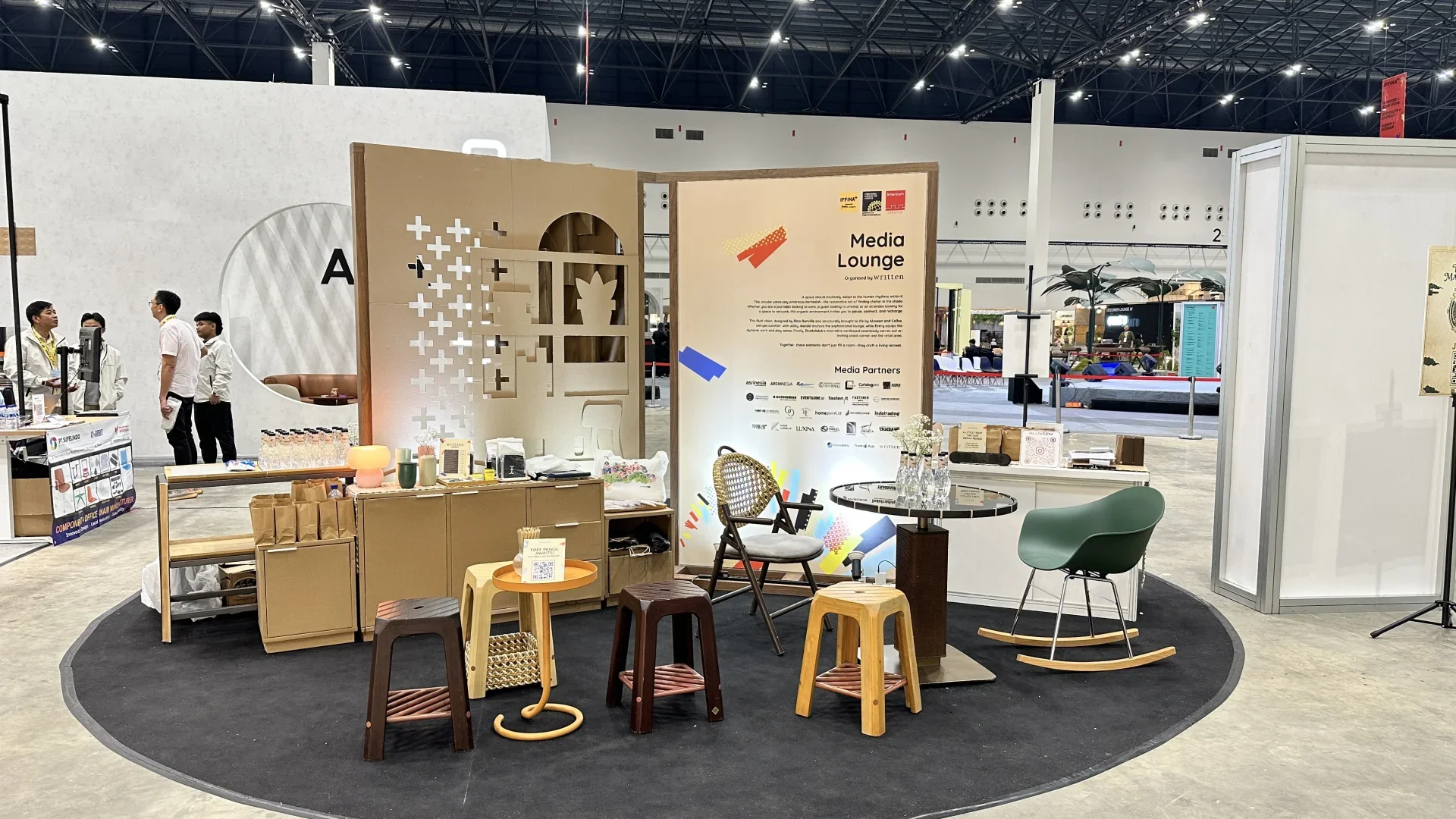
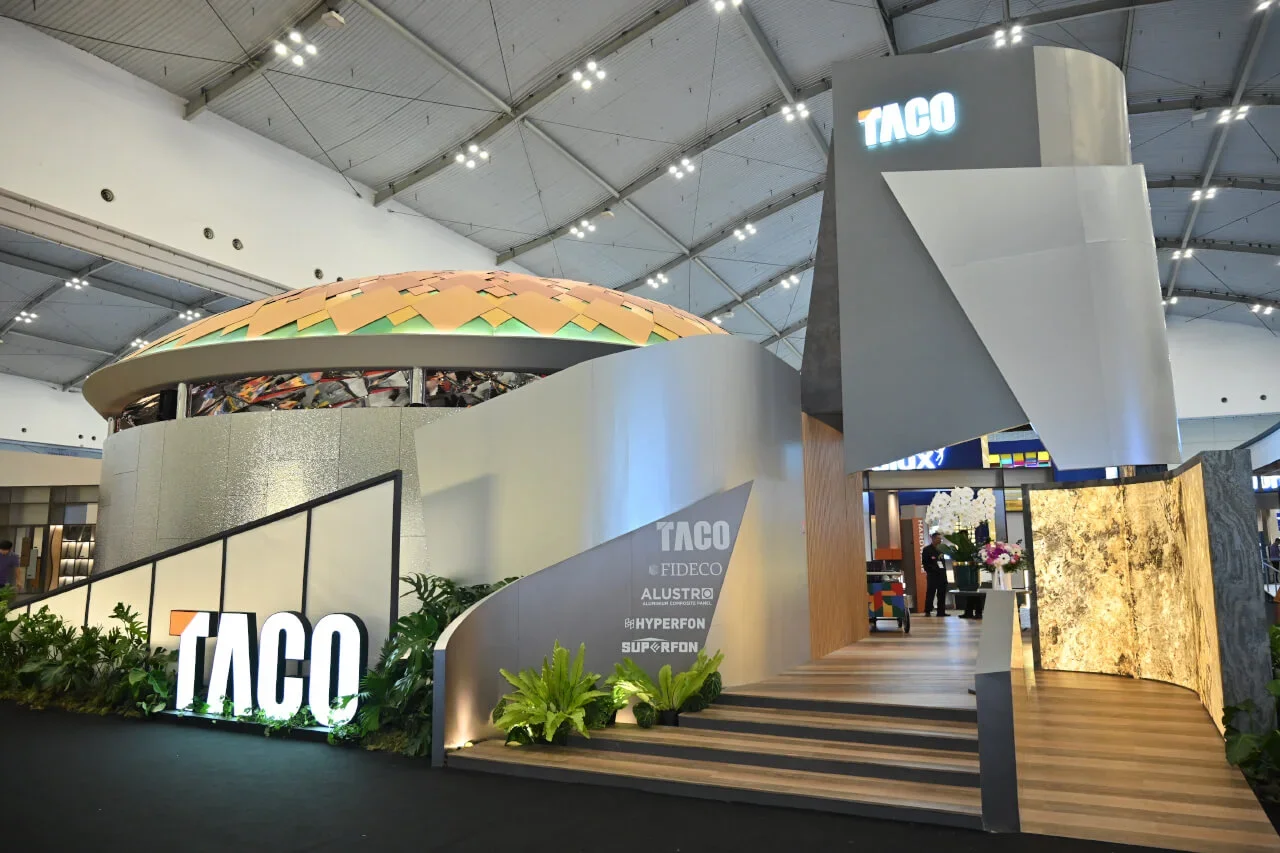
Throughout the event, visitors could explore a wide range of products and innovations from local and national companies. From building materials, finishing products, furniture, and lighting systems to smart home technology and the latest construction and architectural solutions, the exhibition showcased various offerings designed to respond to the evolving needs of the built environment.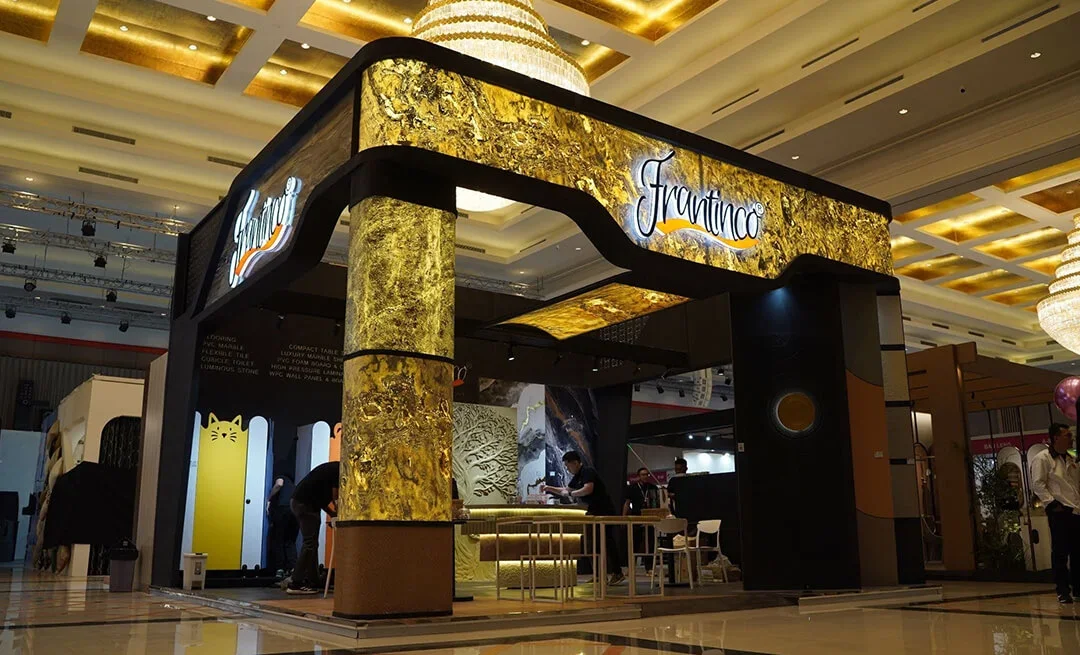 One of the products at IndoBuildTech Bandung. Source: IndoBuildTech.
More than simply a product exhibition, IndoBuildTech Bandung 2026 brought together the various players involved in the building process. Architects, interior designers, contractors, developers, manufacturers, distributors, and project owners came together in one setting, highlighting the interconnectedness of the many elements behind the construction and design industries.
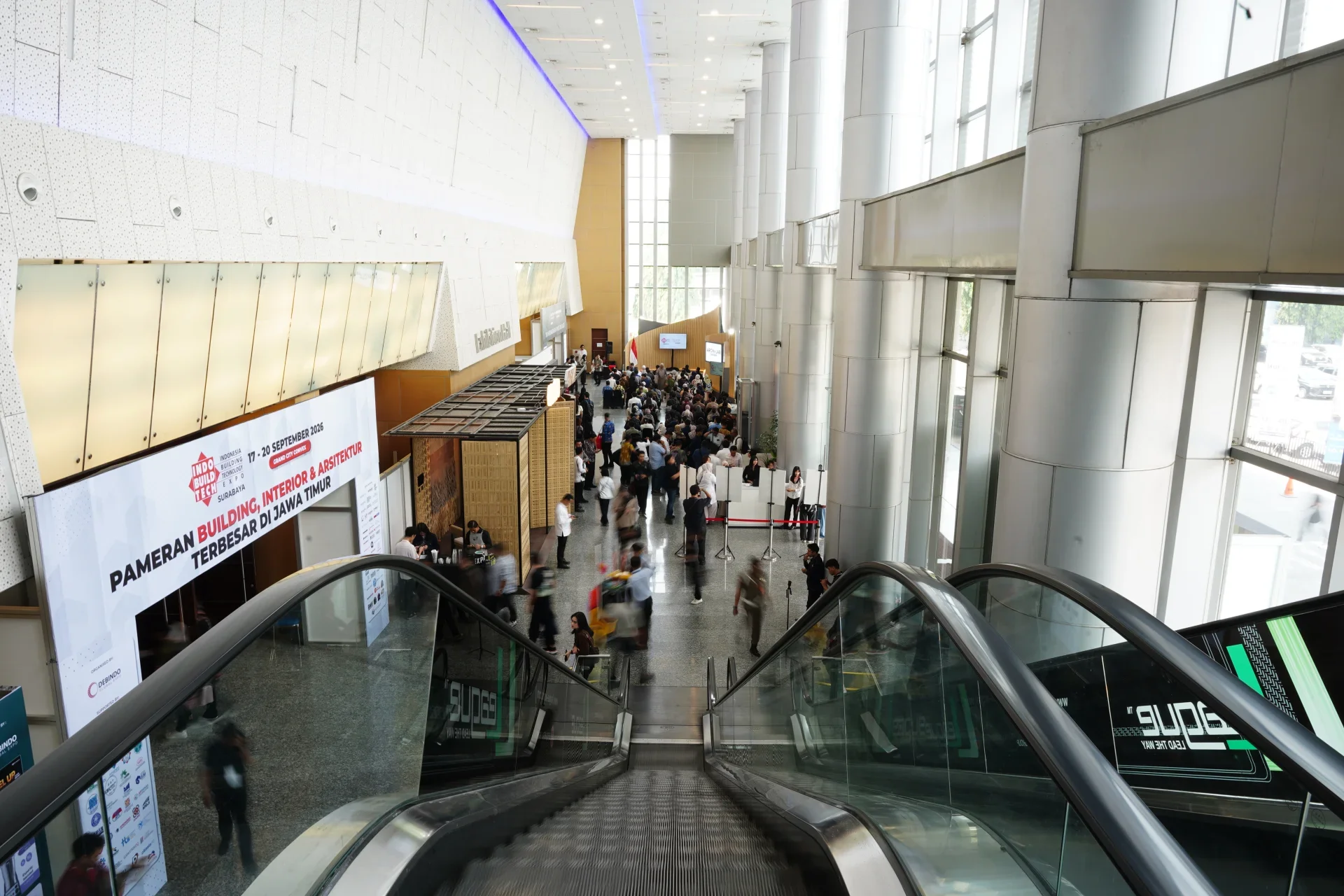
The opening ceremony was led by Rafidi Iqra Muhammad, Director of PT Debindo Global Expo, and attended by government representatives, industry associations, and professional communities from various fields. The presence of these stakeholders highlighted the importance of synergy between industry, institutions, and professional communities in supporting the growth of Indonesia’s construction and design sectors.
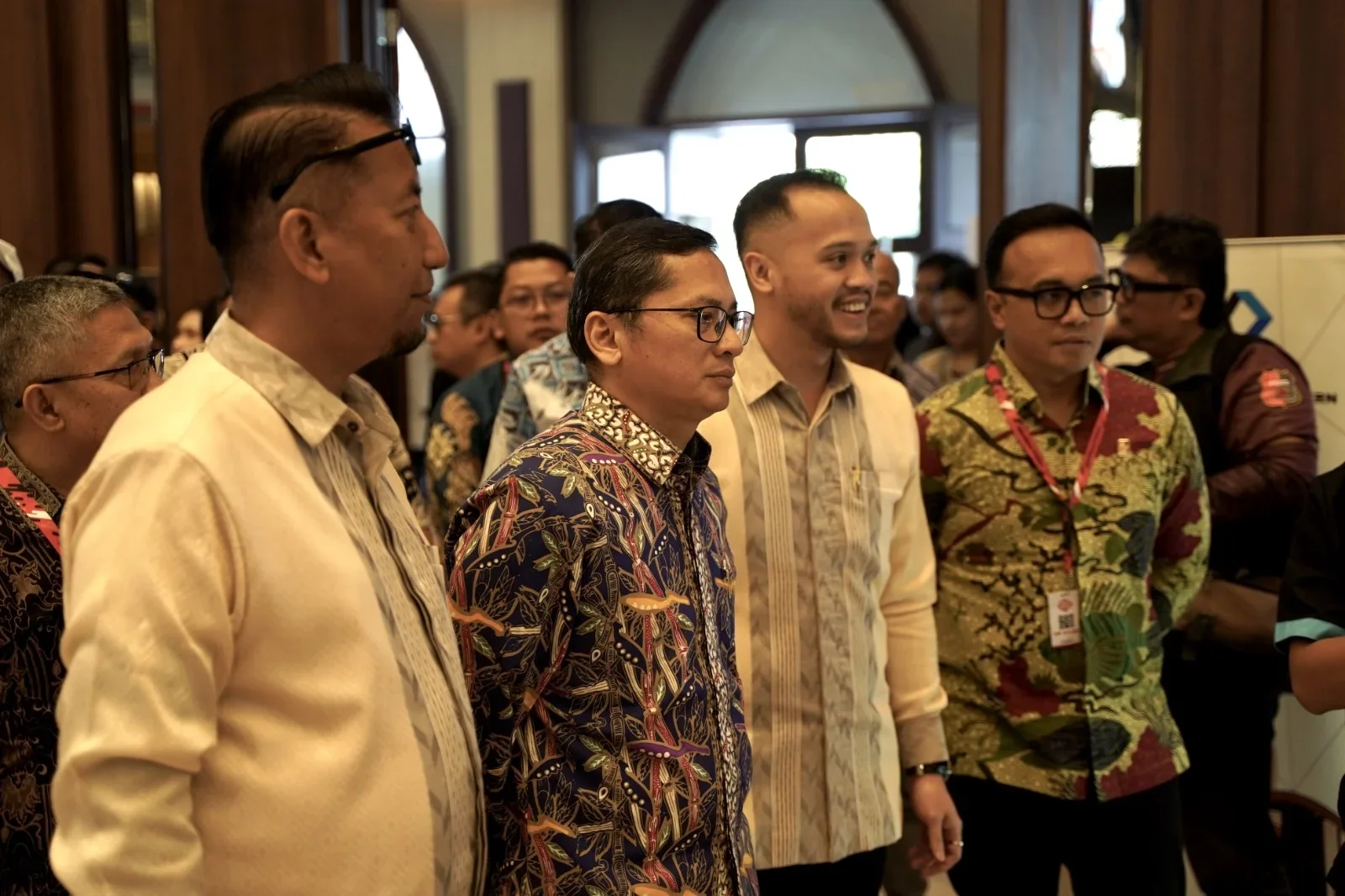 Guests attending the opening of IndoBuildTech Bandung 2026. Source: IndoBuildTech.
In his remarks, Rafidi Iqra Muhammad explained that IndoBuildTech was designed to directly connect industry players with the market. According to him, holding the event in Bandung is expected to create more opportunities for collaboration while encouraging innovations that can respond to the evolving needs of the building materials and architecture industries, particularly in West Java.
This spirit was also reflected in the series of programs held throughout the four-day event. Beyond exploring the latest products and technologies, visitors could also attend seminars, business matching sessions, and talk shows featuring practitioners and experts from various fields.
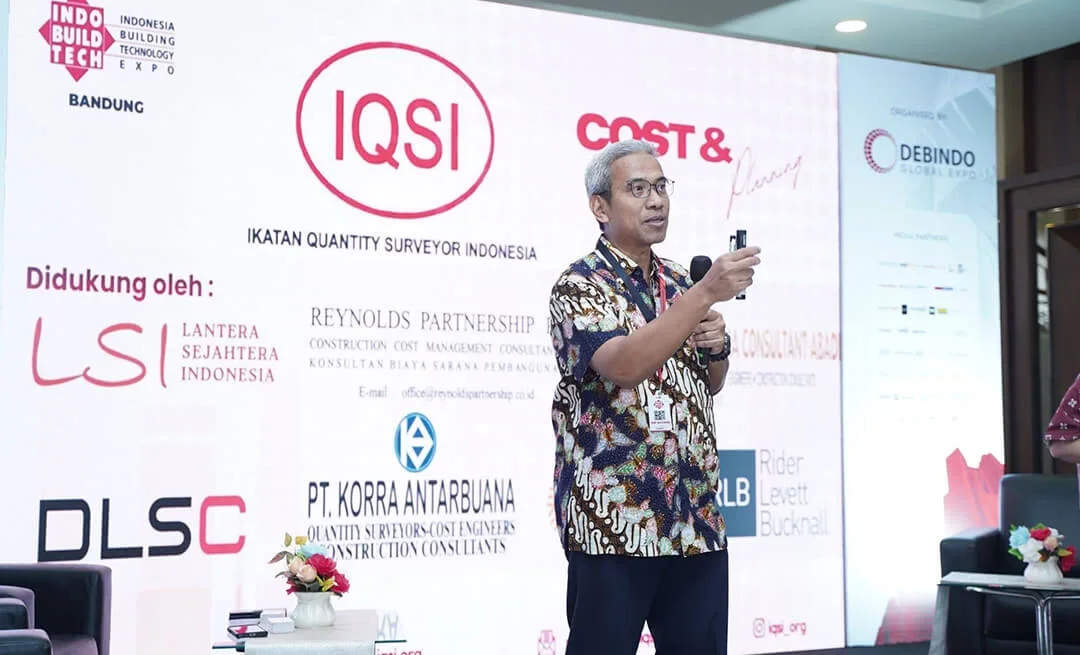 One of the sessions at IndoBuildTech Bandung 2026. Source: IndoBuildTech
Among the highlights were the Seminar on Technology Opportunities and Challenges organized by AP3I, an Architectural Book Review presented through a collaboration between ICAN and IAI Jawa Barat, and Designer Talks with HDII Jawa Barat. These programs explored a range of issues currently shaping the industry, from technological developments and material innovation to changing user needs that are influencing how spaces are designed and built today.
Meanwhile, several exhibitors used the opportunity to introduce their latest innovations through product demonstrations and new technology launches. Direct interaction with the products allowed visitors to better understand the characteristics of the materials and systems on offer, while also seeing their potential applications across different project contexts.
Through its combination of exhibition, educational programs, and discussion forums, IndoBuildTech Bandung 2026 demonstrates how an industry exhibition can serve as more than just a product showcase. Amid the rapid transformation of the construction and design industries, gatherings like this play an important role in bringing different perspectives together, expanding professional networks, and opening conversations about the future direction of architecture and development in Indonesia.