Explore how Aman Residences creates homes in Indonesia shaped by the culture, landscape, and distinctive character of each location.
When it comes to luxury hospitality, it is hard to overlook the name Aman. For more than three decades, Aman has been known for its collection of hotels and resorts that offer a different way of experiencing a stay. Rather than relying on overtly modern luxury, the brand creates a sense of calm through intimate atmospheres, highly personal service, and architecture that consistently respects the character of the place where each property is located.
Aman's journey began in 1988 with Amanpuri in Phuket, Thailand. Derived from the Sanskrit word for peace, the name Aman reflects a philosophy that continues to guide the brand today. From a single resort in Thailand, Aman has grown into a global network of 35 hotels, resorts, and branded residences across more than 20 destinations worldwide.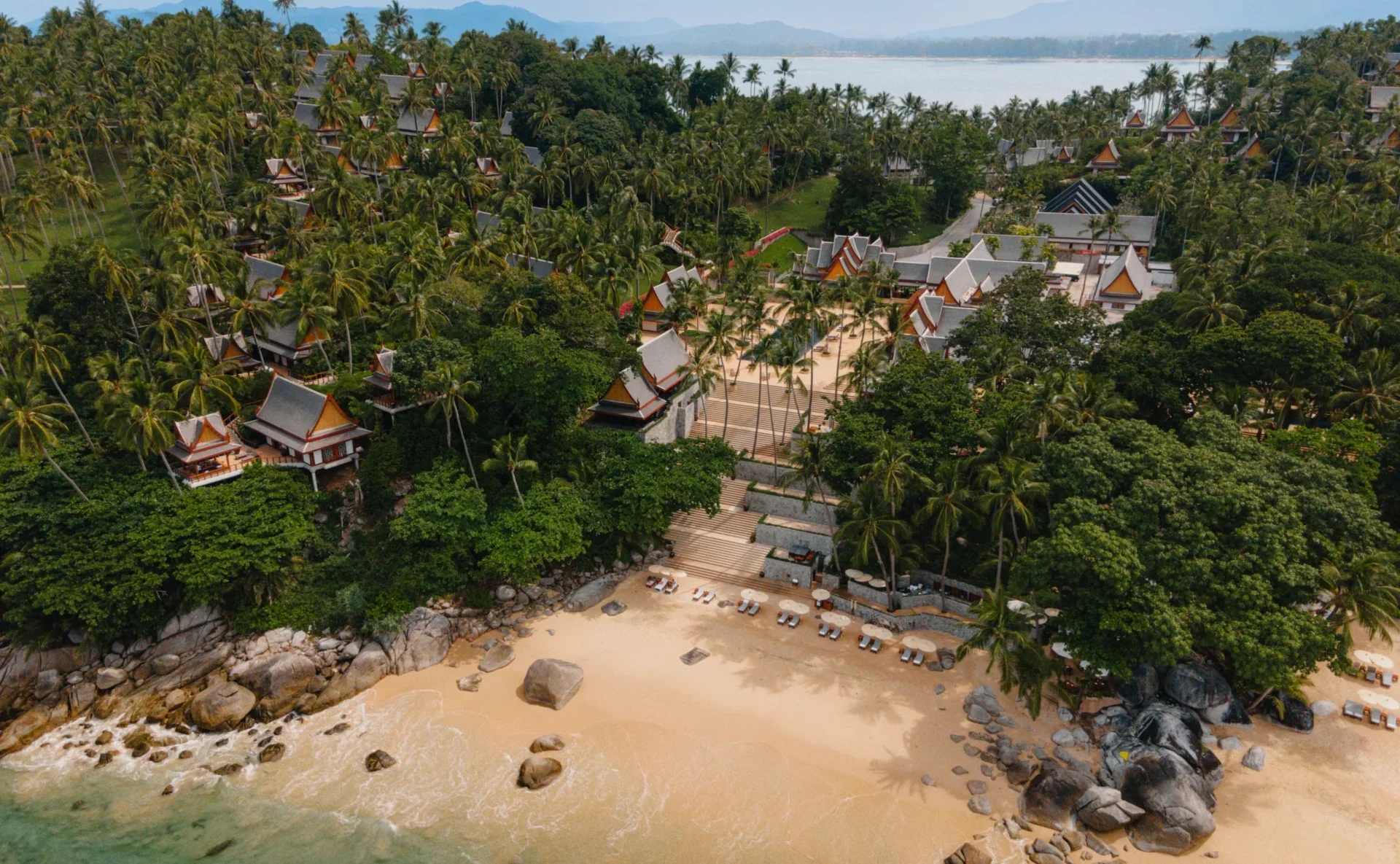 Amanpuri in Phuket, Thailand. Courtesy of Aman Group.
Indonesia has become part of that journey through two exclusive residential projects: Amankila Residences in Bali and Amanjiwo Residences in Central Java. While located in two regions with distinctly different landscapes and cultures, both projects share the same approach. Each residence is designed to reflect the identity of its destination, offering not only a sense of luxury, but also a deeper connection to the surrounding nature, culture, and local character.
Amankila Residences in Bali
When Bali comes to mind, most people might immediately picture Seminyak, Canggu, or Ubud. Yet the island has many other sides that are just as compelling. In the eastern part of Bali, specifically Karangasem, the atmosphere remains noticeably quieter. Rolling hills meet the Lombok Strait, while Mount Agung rises majestically in the distance, overlooking the setting of Amankila.
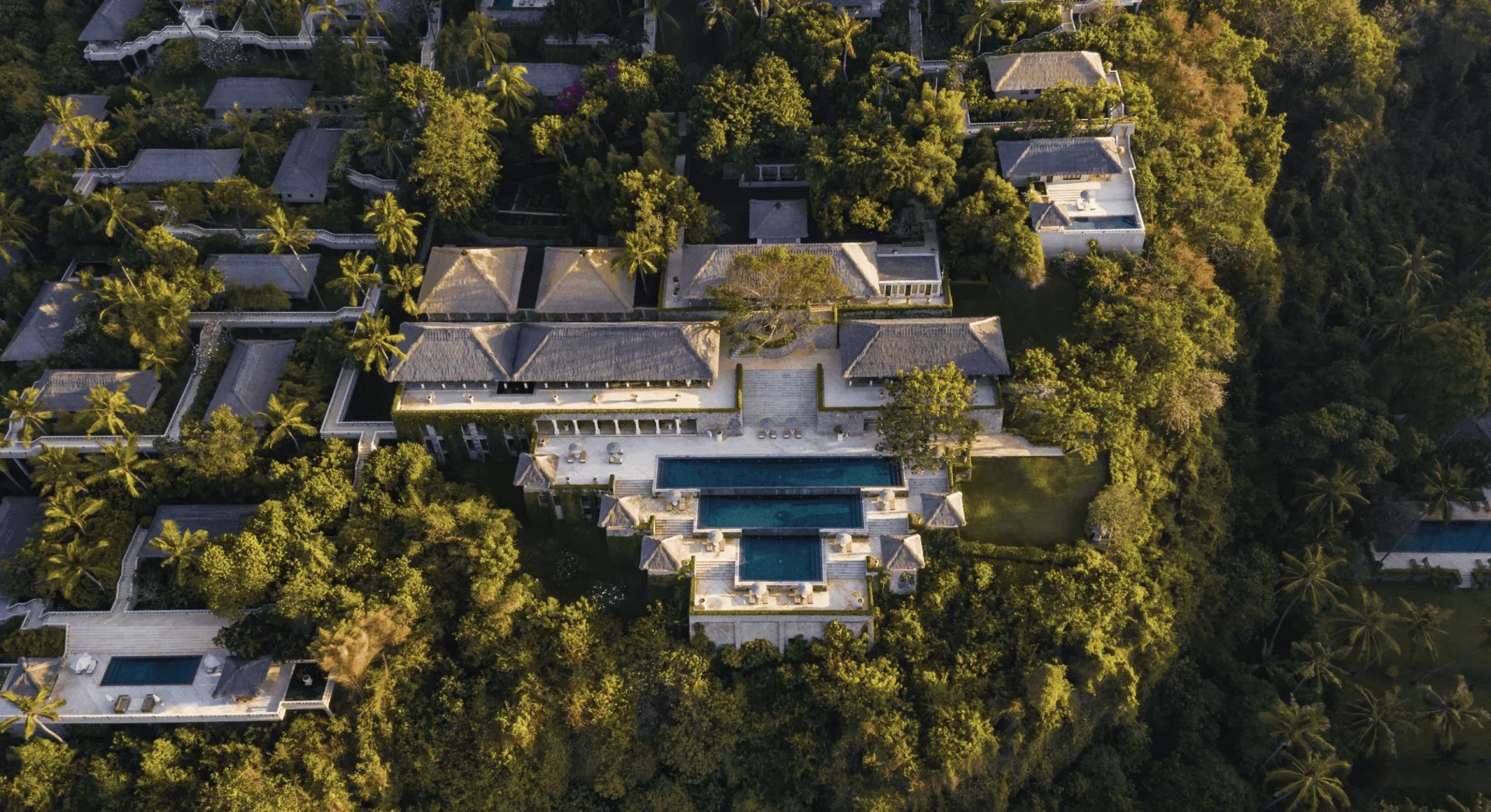
Only eleven private villas have been built within the development. Rather than altering the surrounding landscape, each residence is designed to follow the natural contours of Karangasem. The design draws inspiration from Amankila's distinctive architecture and the Balinese philosophy of viewing nature as an inseparable part of everyday life.
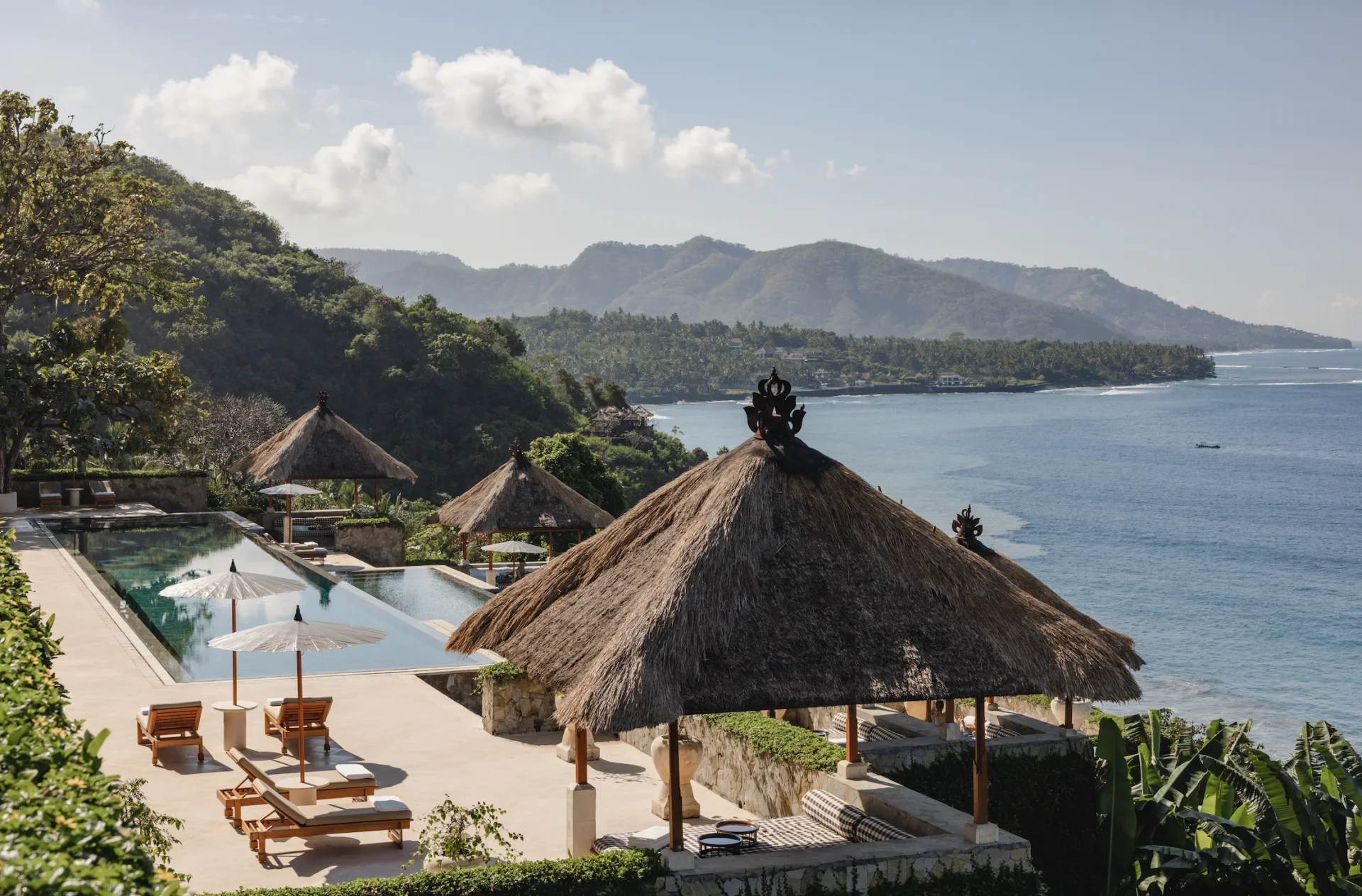 Amankila Residence in Bali. Courtesy of Aman Group
Open terinfinity pools,races, tropical gardens, and interconnected spaces blur the boundaries between indoors and outdoors. From various points throughout the residences, residents can enjoy unobstructed views of the Lombok Strait and Mount Agung, making the surrounding landscape feel almost like an extension of the home itself.
Amanjiwo Residences in Central Java
Unlike East Bali, where ocean views are part of the landscape, Aman chose an entirely different setting for its residential project in Central Java. Nestled in the Menoreh Hills, with the majestic Borobudur Temple visible in the distance, Aman Residences, Amanjiwo comprises just four private villas. The number may be small, but that is precisely where its exclusivity lies.
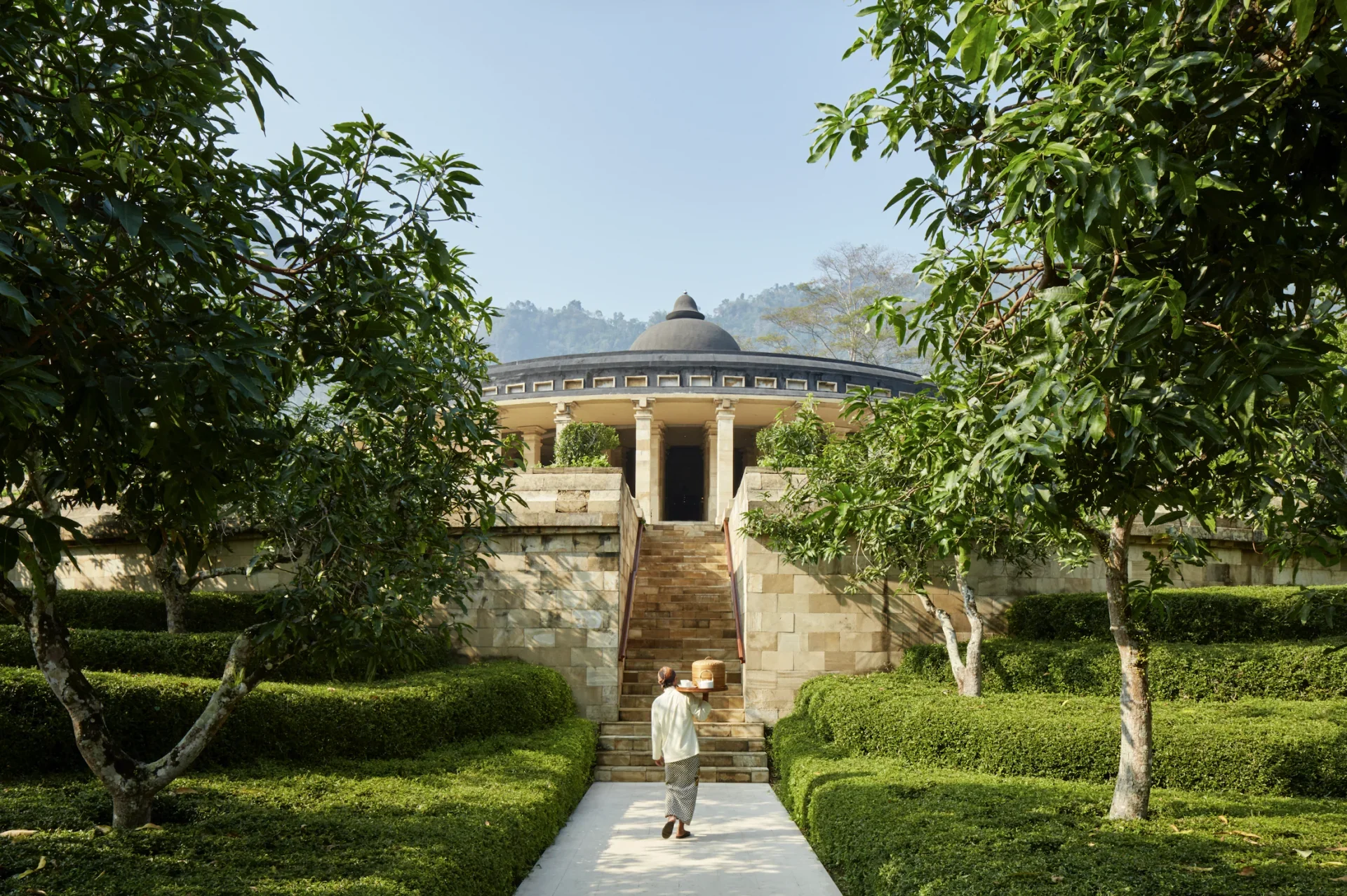 Amanjiwo Residence inJawa Tengah. Courtesy of Aman Group.
Each villa draws inspiration from the iconic architecture of Amanjiwo, which was conceived from the outset as a tribute to Borobudur. Limestone, simple yet monumental forms, and touches of Javanese culture give each space a sense of connection to the history and natural landscape surrounding it. Staying here is not simply about enjoying views of Borobudur from afar, but about experiencing a closer connection to one of Indonesia's most historically significant cultural landscapes.
Through Amankila and Amanjiwo, Aman demonstrates that luxury residences do not always have to embrace the concept of loud luxury. While many premium residences compete to showcase modern, futuristic, and statement-making designs, an increasing number of people are instead seeking places that foster a connection with nature, culture, and local character. This has become a defining concept behind Aman Residences, where each project is designed around the identity of its destination.
Aman plans to continue this approach through a number of Aman Residences projects across Asia, including in Singapore. By placing culture, landscape, and local character at the heart of the design process, each residence is envisioned to develop its own distinct identity.
Through Amankila and Amanjiwo, we can see that comfort is not only about how modern or striking a residence looks, but also about how it feels to live in it. When nature, culture, and the surrounding landscape become part of the residence, the experience feels all the more personal.