Regenerative interior design is transforming the way we shape our spaces—shifting the focus from simply minimizing harm to creating environments that actively benefit both people and the planet.
For years, interior design has been synonymous with creating spaces that are beautiful, comfortable, and functional. Colors are carefully chosen to shape the atmosphere, furniture is arranged to support daily activities more efficiently, while lighting completes the overall spatial experience. The success of a design has often been measured by how well it serves the needs of its users.
Today, however, that perspective is beginning to shift. Amid the climate crisis, rising carbon emissions from the built environment, and growing awareness of human health, there is an increasing recognition that no interior space truly exists in isolation. Every material requires natural resources to produce, every design decision affects indoor air quality, and every renovation generates waste that leaves an environmental footprint.
This shift in thinking has given rise to the concept of regenerative interior design. While sustainable design focuses on minimizing negative environmental impacts, regenerative design sets its sights on something more ambitious.
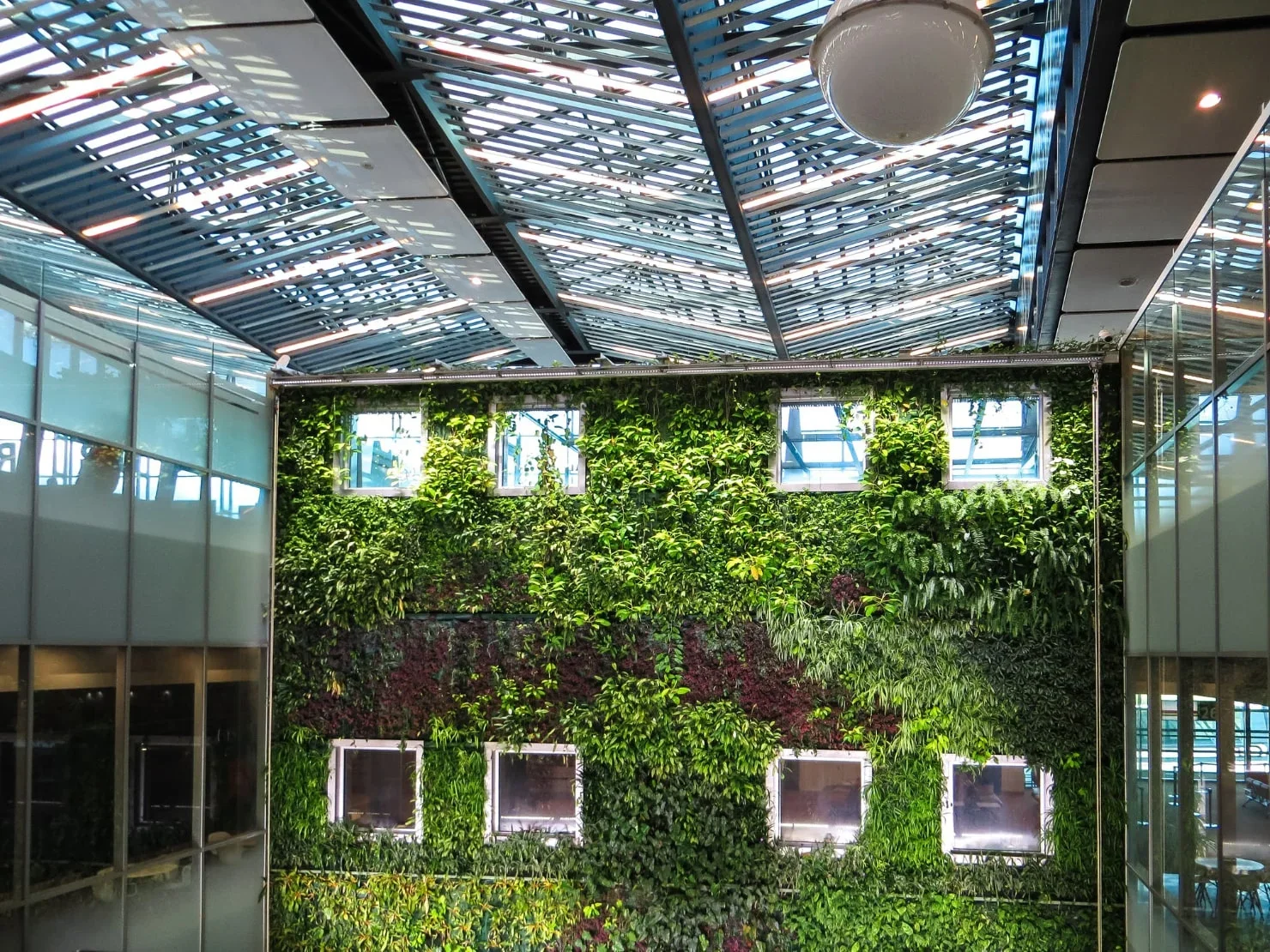 An example of regenerative interior design. www.livehome3d.com
A space is no longer designed simply to "do less harm." Instead, it is envisioned as something that actively benefits people, extends the life of resources, and contributes to the restoration of the environmental systems that sustain it. In other words, design moves beyond maintaining the status quo and becomes a tool for creating better conditions than before.
Designing Spaces That Help People Heal and Thrive
One of the fundamental principles of regenerative interior design is recognizing human well-being as an integral part of the ecosystem. A space is no longer viewed merely as a place where activities take place, but as an environment that actively shapes the quality of everyday life.
This awareness became even more pronounced following the COVID-19 pandemic, when many people spent the majority of their time at home or in the workplace. The experience underscored how elements such as indoor air circulation and access to natural daylight have a profound impact on physical health, productivity, and mental well-being.
As a result, many designers have embraced a design for wellness approach. The well-being principle has even been incorporated into the Framework for Design Excellence by the American Institute of Architects (AIA). Within regenerative design, wellness is not simply an added benefit—it is one of the primary objectives of the space itself.
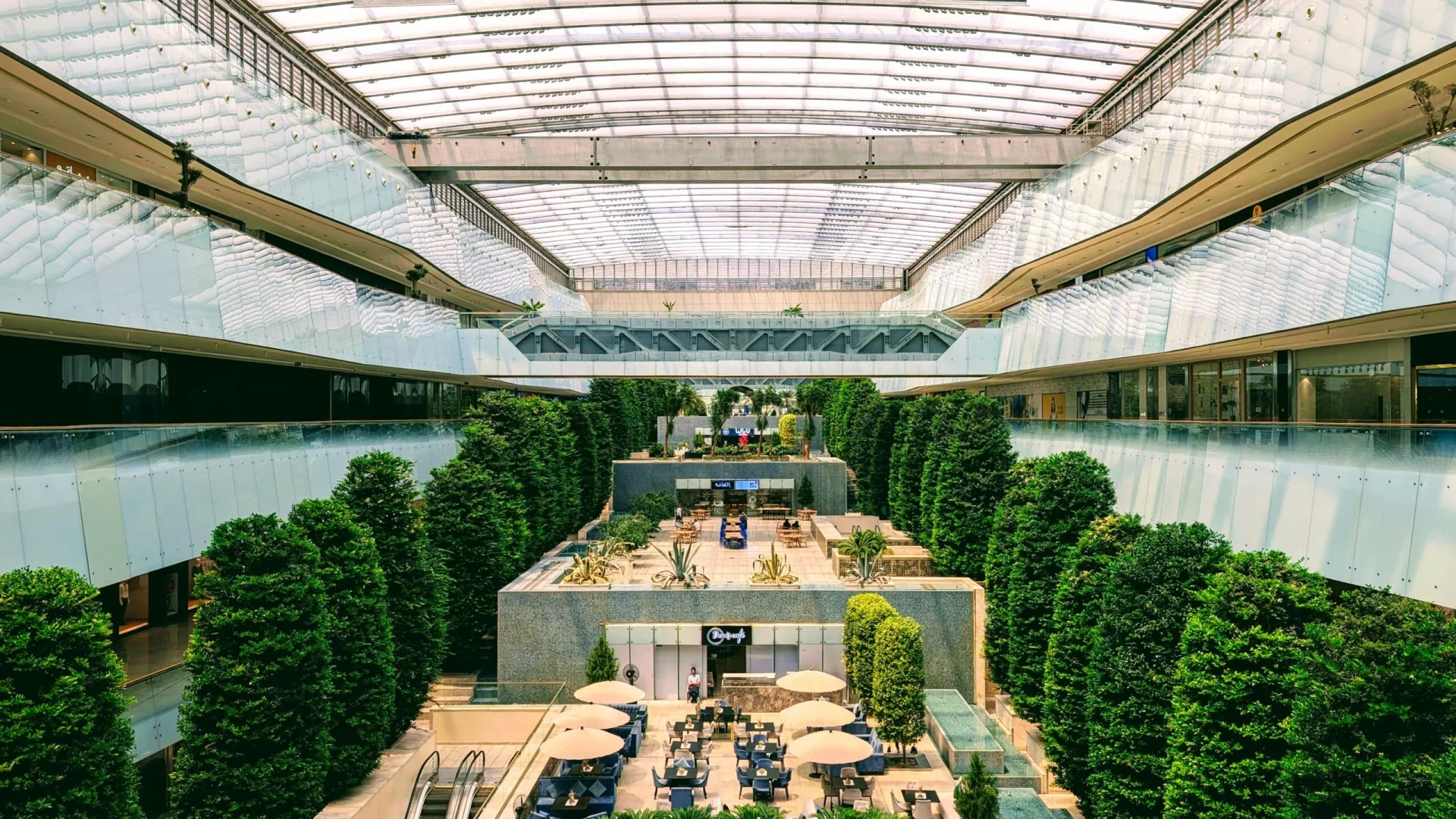
This can be achieved in many ways: maximizing natural daylight to support the body's circadian rhythm, designing effective ventilation systems to maintain healthy indoor air quality, and creating layouts that encourage comfortable movement throughout the space. Increasingly, designers are also integrating natural elements through plants, natural materials, and visual connections to outdoor environments as part of biophilic design—an approach that has been shown to reduce stress and improve psychological well-being.
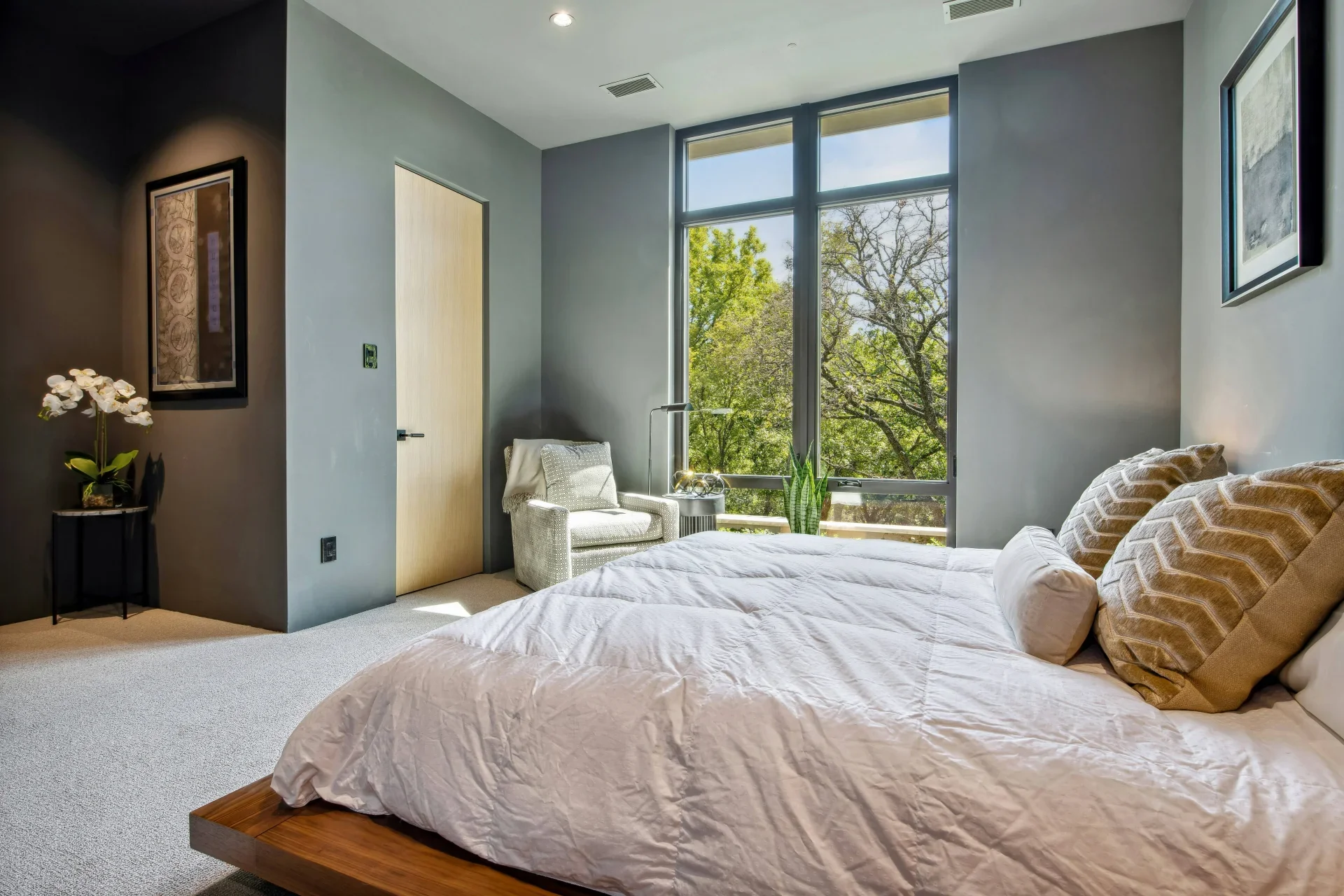 Design for wellness in practice. www.unsplash.com/Michael Brown
Materials as Part of a Living Cycle
In regenerative interior design, materials are viewed as part of a continuous life cycle rather than products that are used until they wear out and are then discarded. Their selection considers the entire journey of a material—from where its raw ingredients come from and how it is manufactured, to its lifespan and how it can be repurposed once it is no longer needed.
This approach encourages the use of renewable materials, low-emission products, materials free from harmful substances such as Volatile Organic Compounds (VOC), and those with the potential to be reused or recycled.
Beyond reducing environmental impacts, healthier materials also contribute to better indoor air quality, minimizing occupants' exposure to potentially harmful chemical compounds.
Designers are also increasingly considering locally sourced materials to reduce emissions associated with transportation while supporting regional industries and resources. In doing so, the benefits extend beyond building occupants to the surrounding environment and the communities involved throughout the production chain.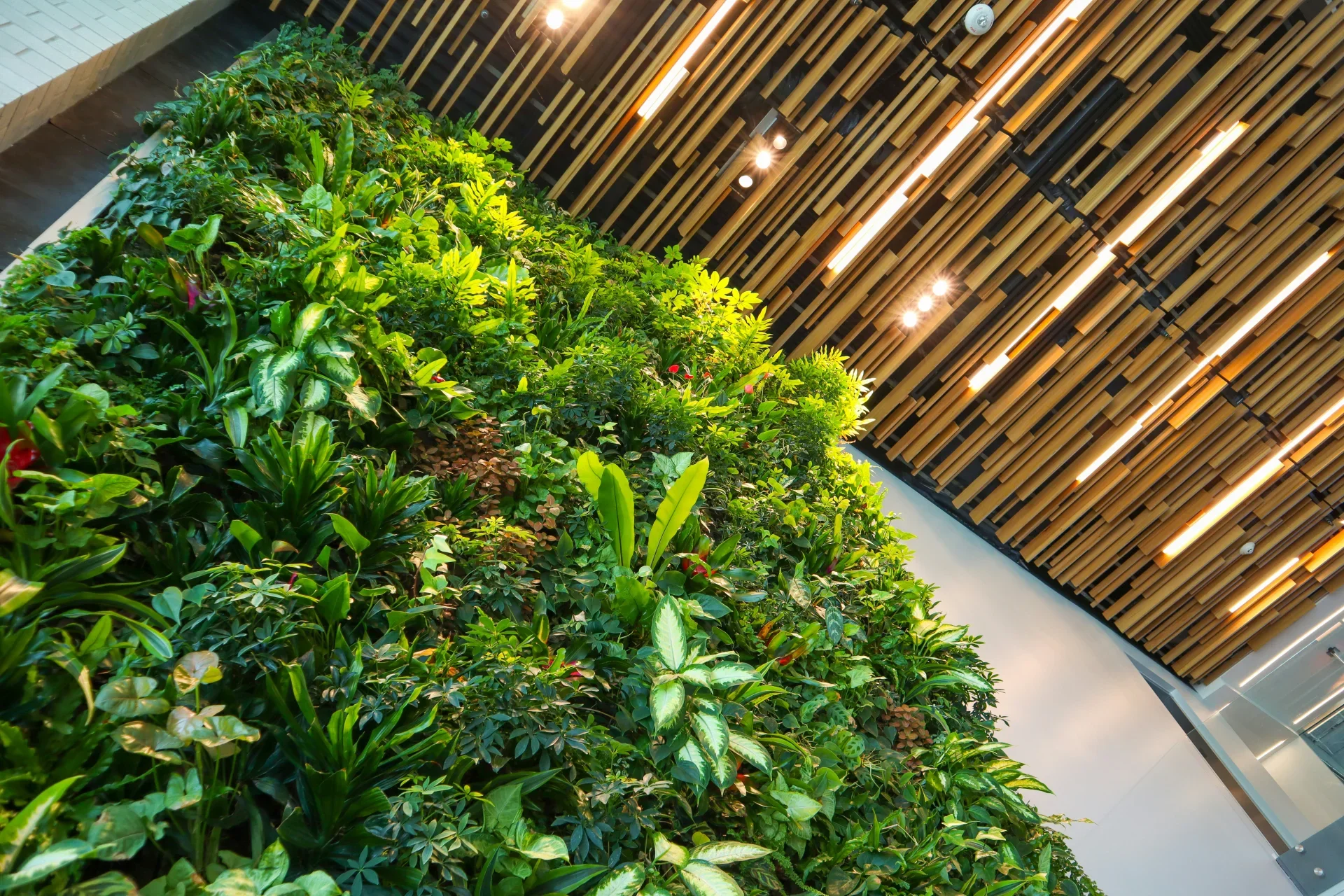 Plants as an integral part of interior design. www. unsplash.com
Choosing Furniture That Lasts
Regeneration is not only about materials—it is also about longevity. For years, changing trends have encouraged renovations that are often unnecessary. Furniture is replaced, materials are stripped away, and interior elements are discarded despite remaining perfectly functional. These practices generate significant amounts of waste while increasing demand for new resources.
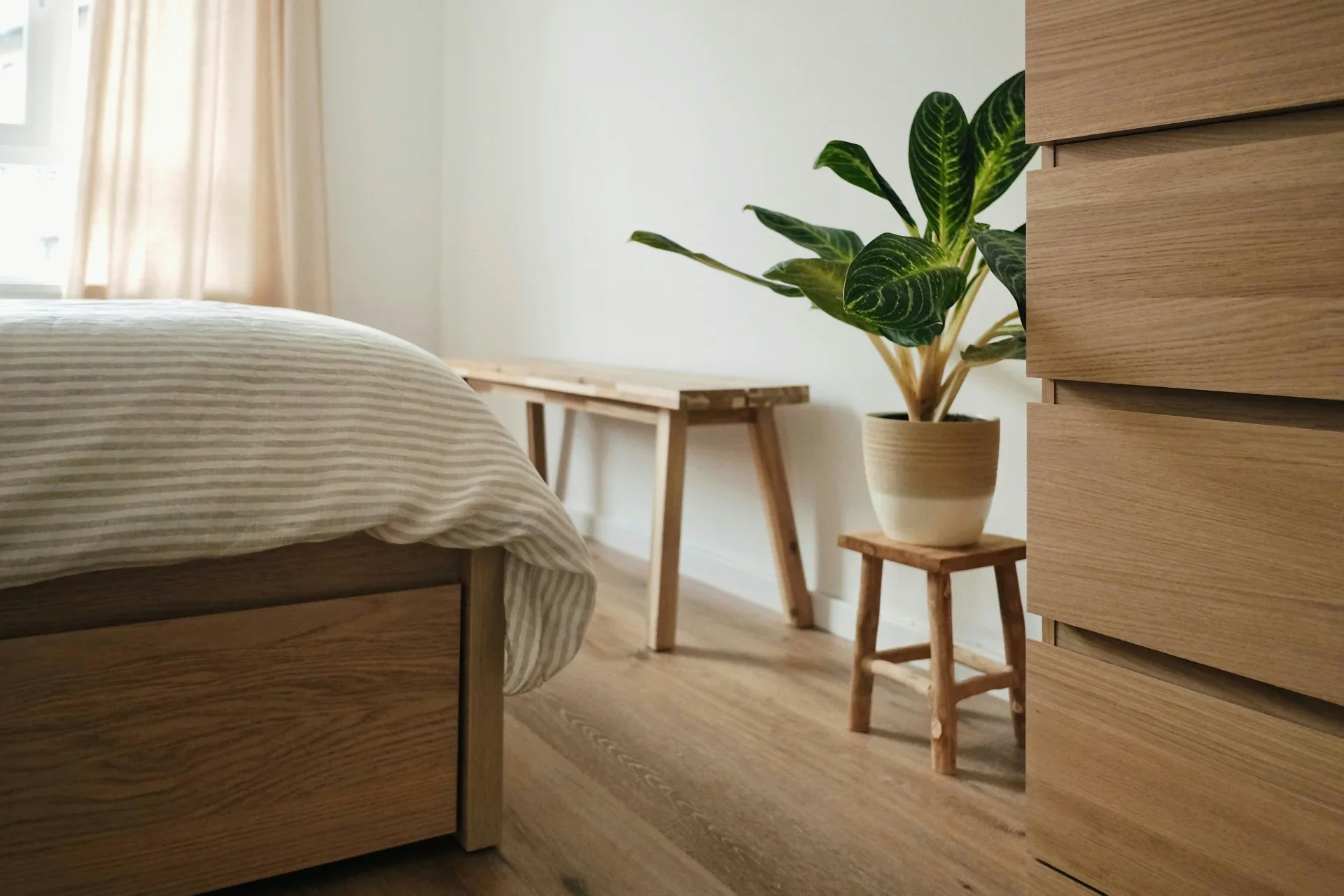 Wooden furniture as a long-lasting interior choice. Foto: unsplash.com
For this reason, regenerative interior design promotes spaces that can adapt to changing user needs over time. Furniture is designed to be easily repaired, fitted with replaceable components, or assembled and disassembled so it can remain relevant even as the function of a space evolves. The approach also encourages giving existing furniture a second life through restoration or refurbishment, significantly extending its usable lifespan.
By extending the life cycle of both materials and furniture, the need to continually manufacture new products can be reduced. Ultimately, this approach reminds us that good design is not always about replacing the old with the new, but about maximizing the value of what already exists.