How does a design studio survive when its founder is no longer there?
When a design studio has grown over decades, its identity often becomes inseparable from a single name. That name appears on every project, stands as a symbol of quality, and even shapes how the public understands the practice itself. Yet sooner or later, every studio faces the same question: what happens when its founder is no longer at the helm?
What should be preserved? The renowned name? The design philosophy? Or the signature design language that has long defined the studio? These questions have become increasingly relevant as many architecture and design studios around the world enter a new phase of succession. Some have had to move forward after losing their founders, while others have deliberately built systems that allow leadership to be passed on without sacrificing the identity cultivated over decades.
From Individual to Institution
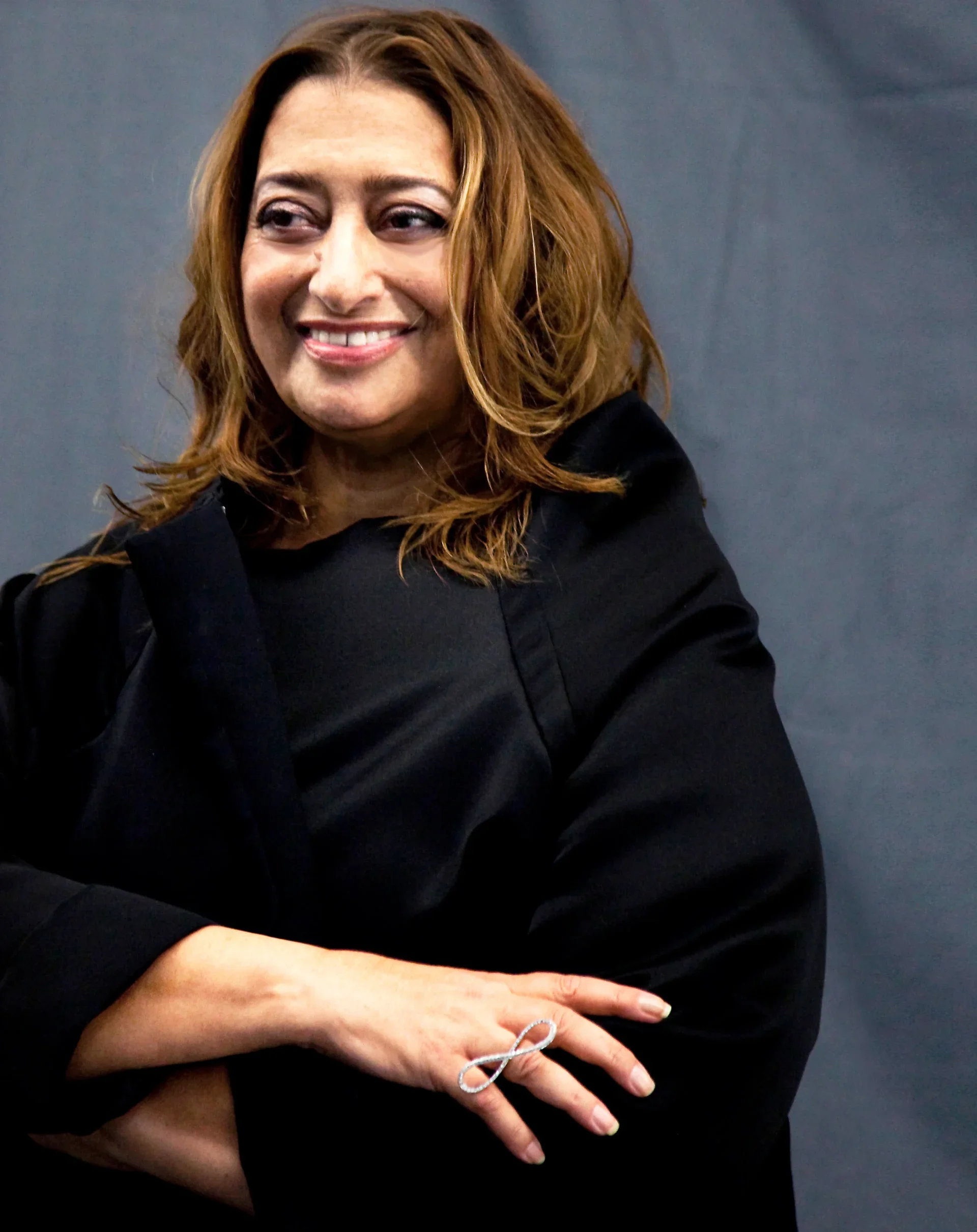
When Zaha Hadid passed away in 2016, many questioned whether the studio she had built could maintain its quality and relevance. For years, the name Zaha Hadid had been synonymous with an expressive and experimental approach to architecture, making the line between the founder and the studio's identity feel remarkably thin.
Yet nearly a decade after her passing, the studio has continued to thrive. International projects have continued uninterrupted, while leadership transitioned to Patrick Schumacher. More recently, the practice became involved in a dispute with the Zaha Hadid Foundation, the organization responsible for managing Zaha Hadid's legacy.
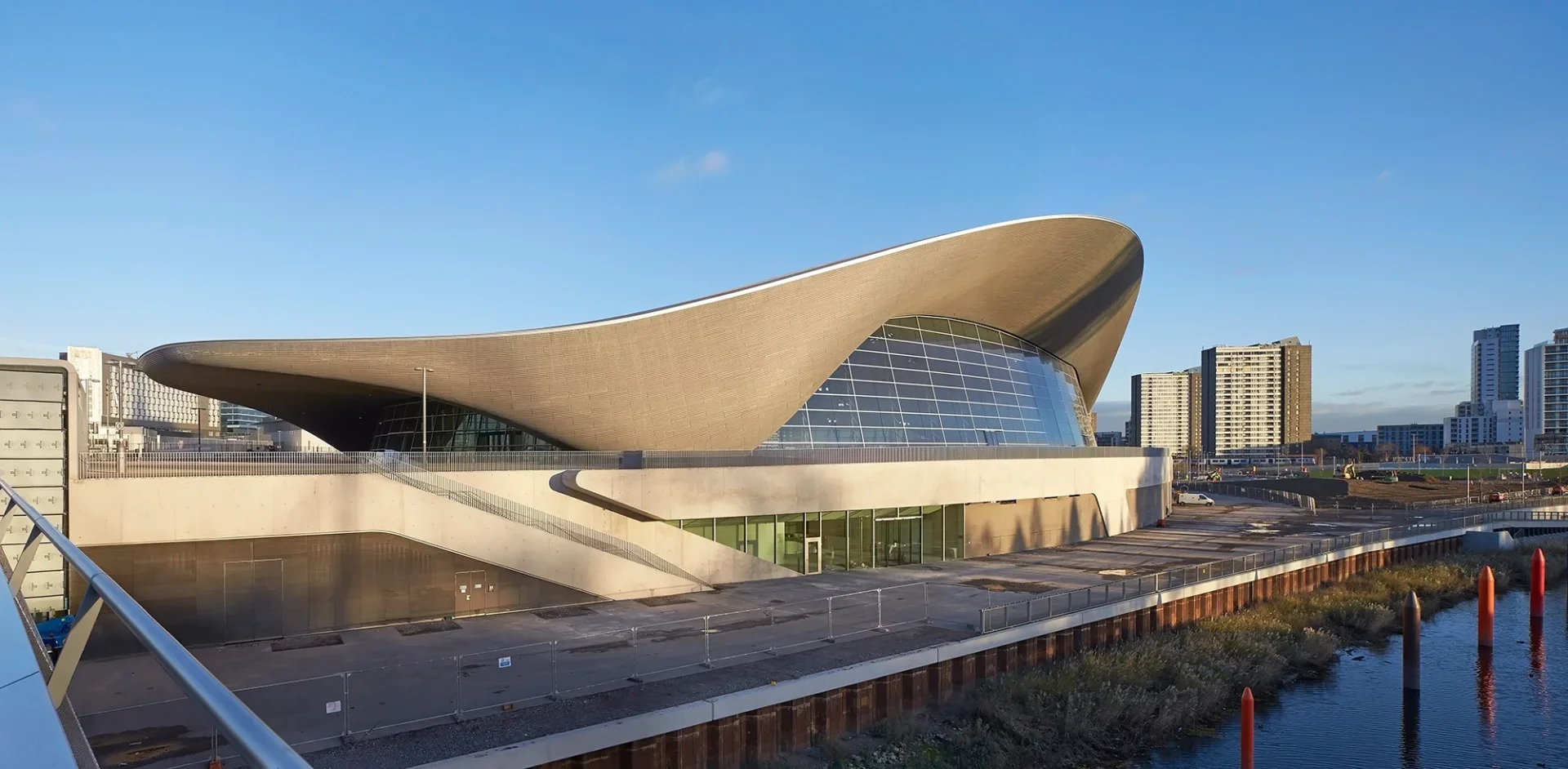
The dispute was resolved in 2026, when the studio officially adopted the name ZHA Architects Limited. Schumacher described the change as an organic evolution, reflecting how the practice had grown into something larger than a single individual. In Zaha Hadid's case, what has been preserved is not merely a recognizable architectural style, but a way of thinking, a collaborative culture, and the standards of excellence built over many years.
Regeneration Built Every Day
In Indonesia, one of the design studios that has also experienced the loss of its founder is Hadiprana. Established by Hendra Hadiprana, the studio has long been recognized as one of the pioneers of interior design in the country. When Hendra Hadiprana passed away in 2018, leadership gradually began to shift. The focus was never simply on deciding who would take over, but on ensuring that the studio's values would continue to live on.
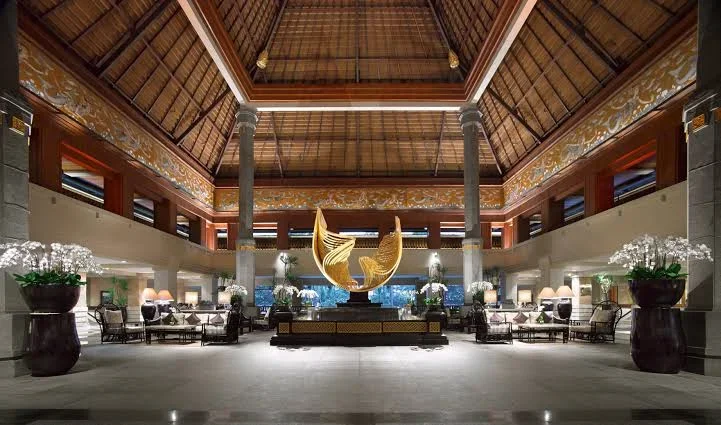
Principal Architect Afwina Kamal and Principal Interior Designer William K. Patty explain that succession at Hadiprana Design unfolds through two parallel paths: project-based and non-project-based learning. Within projects, younger designers learn firsthand by participating in every stage of the process, from conceptual development to decision-making alongside the principals. Outside project work, internal discussions and knowledge-sharing forums provide space to pass down the principles that have shaped Hadiprana's identity for decades.
This approach demonstrates that regeneration is not something that begins only when a founder steps away. It happens every day through mentorship, collaboration, and a culture of continuous learning. After all, a studio is not inherited through an archive of completed works alone, but through people who understand the thinking behind every design decision.
A New Chapter After Frank Gehry
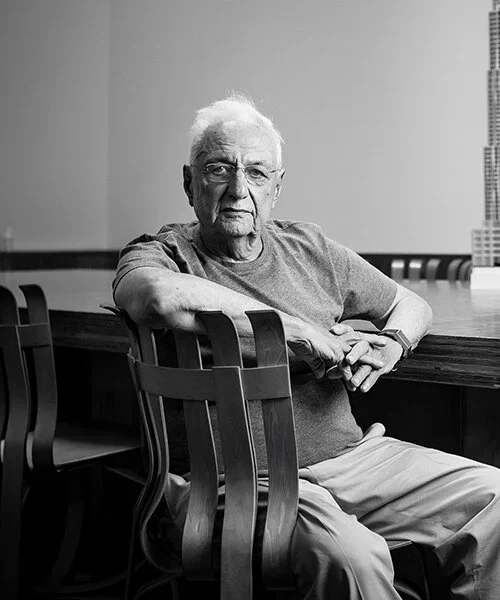
A different perspective can be found in the story of Frank O. Gehry & Associates. Frank Gehry passed away at the end of 2025 after more than six decades of architectural practice that produced iconic works including the Guggenheim Museum Bilbao, the Walt Disney Concert Hall, and Fondation Louis Vuitton.
Throughout his lifetime, Gehry remained the central figure behind the studio that bore his name. However, in 2001, he renamed the practice Gehry Partners. The change acknowledged the contributions of senior architects who had worked alongside him for many years. At the same time, it was a strategic move to ensure the firm's long-term continuity.
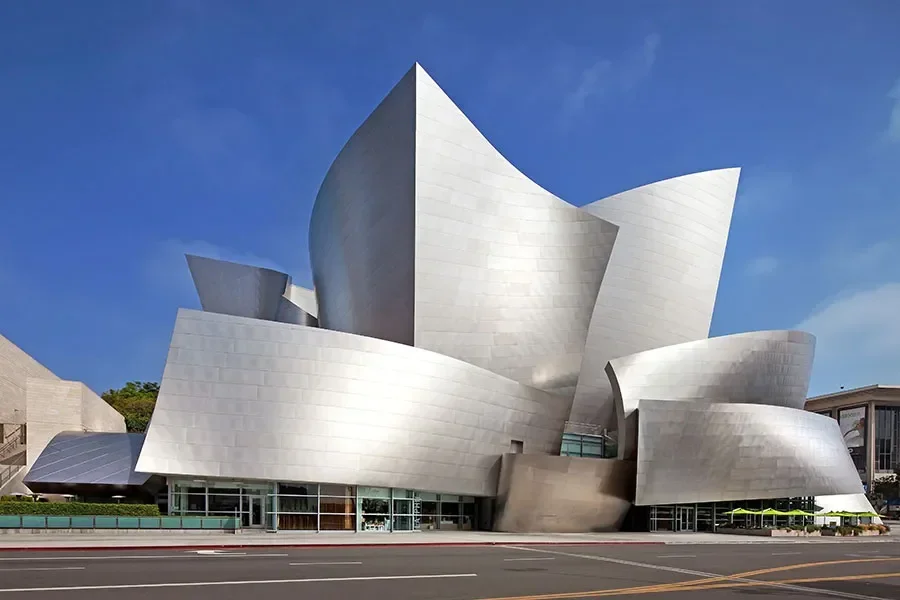
In hindsight, Gehry's decision to rename his studio can be seen as an act of succession planning in itself—an effort to ensure that his legacy would become part of the studio's identity rather than remain tied solely to his own name. It illustrates that regeneration is the result of a long-term organizational process, one capable of producing new leaders without losing the values that serve as its foundation.
More Than Just a Name
ZHA, Hadiprana, and Gehry Partners represent three different stages in the evolution of a design studio.
ZHA demonstrates how a practice can grow into an institution that is larger than its founder. Hadiprana shows that succession is cultivated through everyday working culture and the continuous transfer of knowledge. Meanwhile, Gehry Partners has entered a new chapter that will ultimately test the strength of the system it has spent decades building.
Although each studio exists within a different context, they all share the same challenge: how can a studio ensure its identity remains relevant when the individual who once defined it is no longer leading the way? Perhaps that is the true meaning of a legacy—not an attempt to freeze the past exactly as it was, but the ability to pass on a way of thinking, a set of values, and a working culture to the next generation, allowing a studio to continue evolving without losing its sense of self.
Ultimately, the lifespan of a studio is not determined by the length of its founder's career, but by its ability to build a system where leadership can be continuously passed from one generation to the next. And perhaps that is the greatest legacy any founder can leave behind.