Tapak Tumbuh by Moire Rugs and Eugenio Hendro transforms rice husks, soil, and natural fibers into a design landscape at JIA Curated Bali 2026.
If we have always seen rice husks simply as agricultural waste, soil as a place for plants to grow, and natural fibers in the form of woven materials or textiles, this time these materials take on a different role. Rather than simply serving as raw materials, they become part of an immersive landscape that brings together materials, nature, and human hands within a single design ecology.
This idea takes shape through Tapak Tumbuh: A Landscape by MOIRE & Friends, an installation initiated by Moire Rugs together with product designer Eugenio Hendro and a group of multidisciplinary collaborators. Ahead of its presentation in Bali, the concept was introduced through Singgah Session at the Moire Rugs showroom in Dharmawangsa, Jakarta, bringing together media, designers, and creative industry professionals to take a closer look at the concept that will be presented at JIA Curated Bali 2026.
For Eugenio Hendro, who serves as both the product designer and conceptual lead of Tapak Tumbuh, the project stems from a desire to reconsider the relationship between innovation, materials, and nature. In his view, progress in design does not necessarily have to take us further away from the origins of materials or the processes that shape them.
“Tapak Tumbuh is not about rejecting progress, but about ensuring that progress remains rooted in an intact relationship with the land, materials, and processes that give rise to it. We want to show that innovation can, in fact, grow from a closer relationship with nature,” said Eugenio.
Also read: Eugenio Hendro on Vision, Collaboration, and the Future of Design
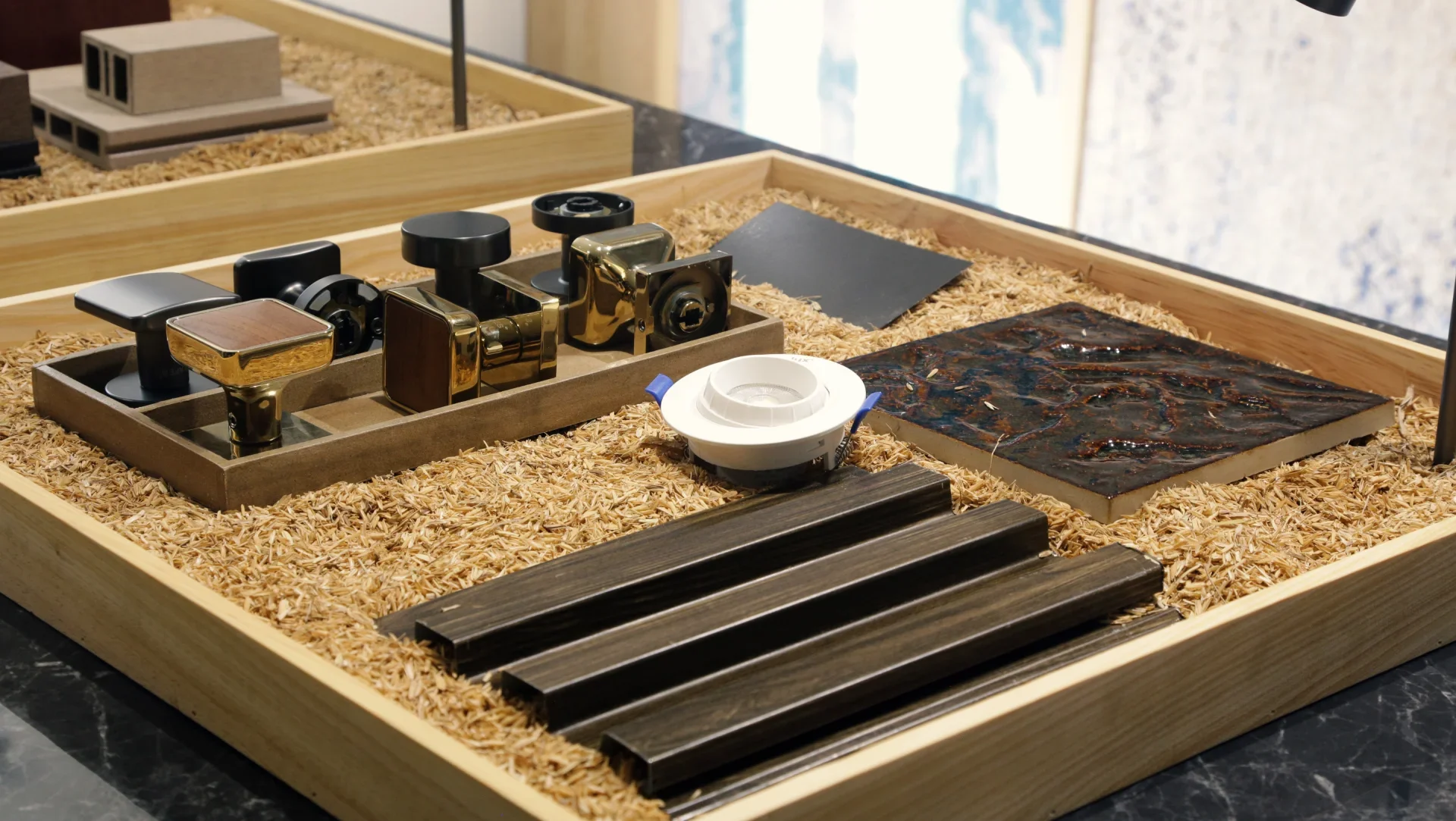
The installation invites visitors to follow the journey of a material, from its original form in nature to its transformation into part of a space. Along the way, visitors can see how simple materials are processed and given new functions, while also observing the role of human hands in shaping that transformation.
For instance, Planawood transforms rice husks, often regarded as waste, into structural material for the pavilion. Singres Tiles uses soil to create special-edition hand-pressed tiles for JIA Curated, which become part of the installation’s surface. Meanwhile, Moire Rugs explores roots, leaves, and natural fibers, transforming them into spatial textiles that contribute to the installation’s landscape.
These elements are then brought together by Presisi Contractor through the pavilion’s construction. Fumira, Rafes England, and Visalux further complete the space through cladding materials, hardware elements, and lighting that highlight the textures and details of each material.
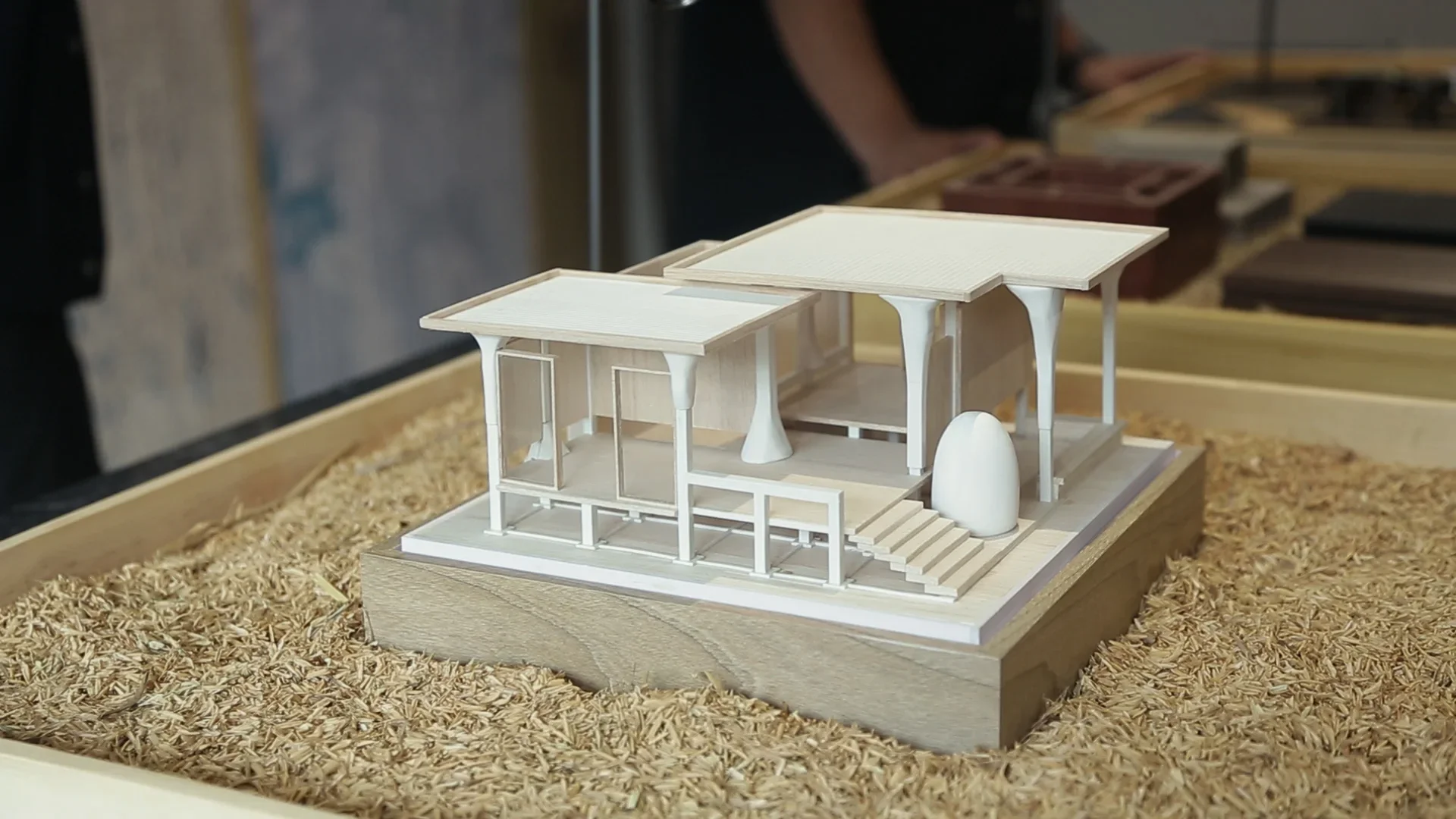
Together, these contributions do not stand alone, but connect to form a cohesive experience. Visitors can see how materials originating in nature undergo various processes before ultimately becoming part of a space that can be seen, touched, and experienced.
The development of Tapak Tumbuh is also supported by Up+Above as the project management and marketing communications partner, helping ensure that the various processes and collaborations come together in an integrated way.
This approach also aligns with the spirit of JIA Curated as a platform that brings together design, craft, and culture through an immersive experience. Rather than simply presenting a finished result, Tapak Tumbuh invites visitors to understand how a work comes together, from the materials used to the processes and human hands behind it.
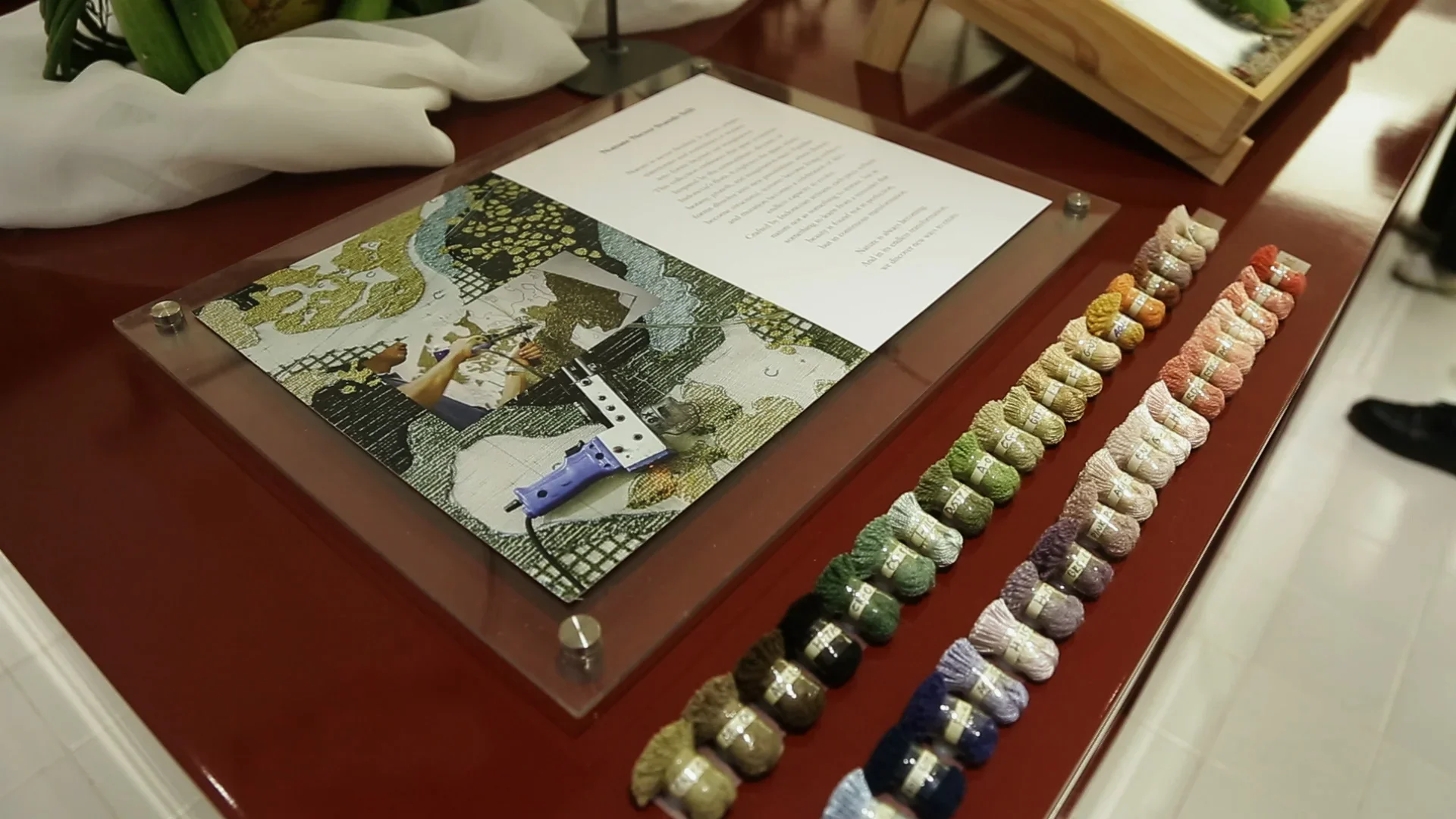
JIA Curated Bali will take place on a larger scale, featuring more than 70 displays, around 150 brands from Indonesia and abroad, and an area spanning more than 10,000 square meters. The full installation of “Tapak Tumbuh: A Landscape by MOIRE & Friends” will be open to the public from August 13–17, 2026, at Pantai Pengembak, Sanur, Bali.