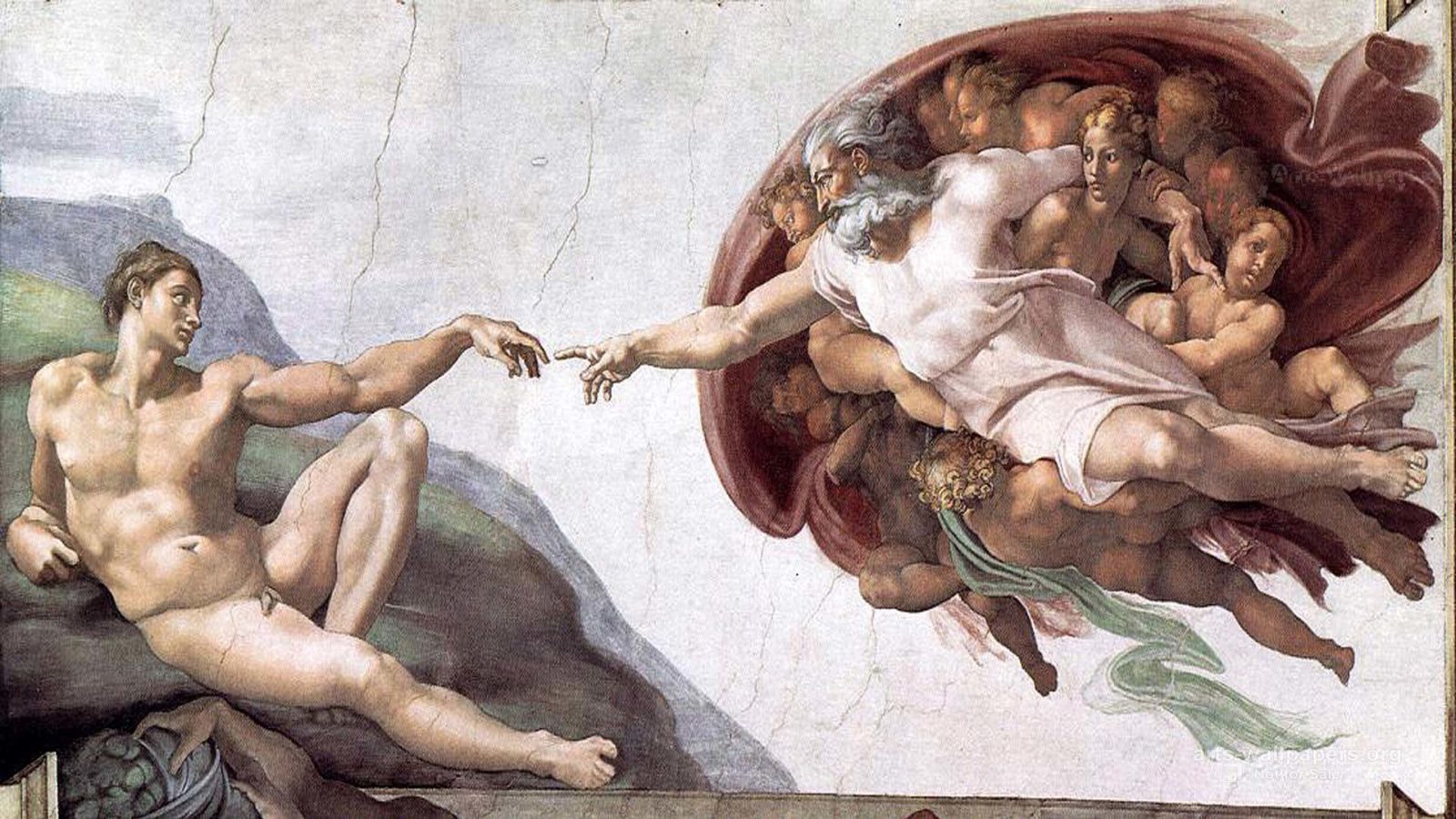
Bila menilik goresan gambar atau hieroglif pada dinding gua dari zaman prasejarah, bisa dibilang itu adalah seni. Meskipun terminologinya sendiri belum lahir pada saat itu. Wujud seni yang praktis dan fungsional.
Lantas, ketika berbicara tentang agama yang juga berhubungan erat dengan seni, sebuah pertanyaan pun muncul. Manakah yang ada terlebih dahulu—agama atau seni?
Seiring berjalannya waktu, seni rupa berevolusi jadi lebih apik dan teknis. Dan, ternyata, agama berperan besar dalam evolusi kesenian, yang kemudian memopulerkan istilah “iconography”.
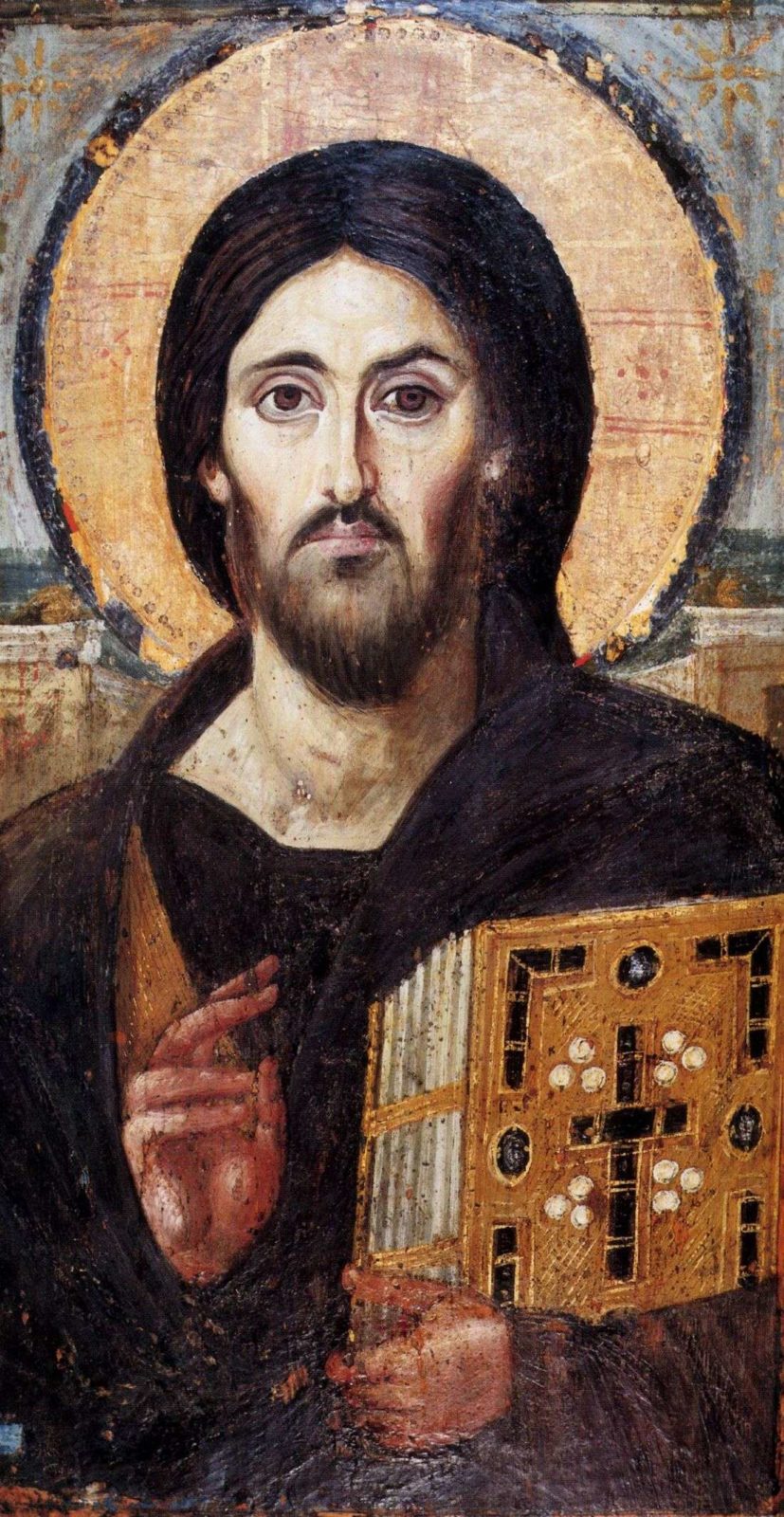
Sesuai namanya, iconography merupakan penggunaan simbol-simbol yang bentuknya dikenal secara global. Zaman sekarang, yang kita anggap icon mungkin sudah merambah ke dunia selebritis, dari Andy Warhol hingga Beyonce. Namun, pada awalnya, seseorang yang dianggap icon (atau ikonis) merujuk pada sosok religi seperti Yesus.
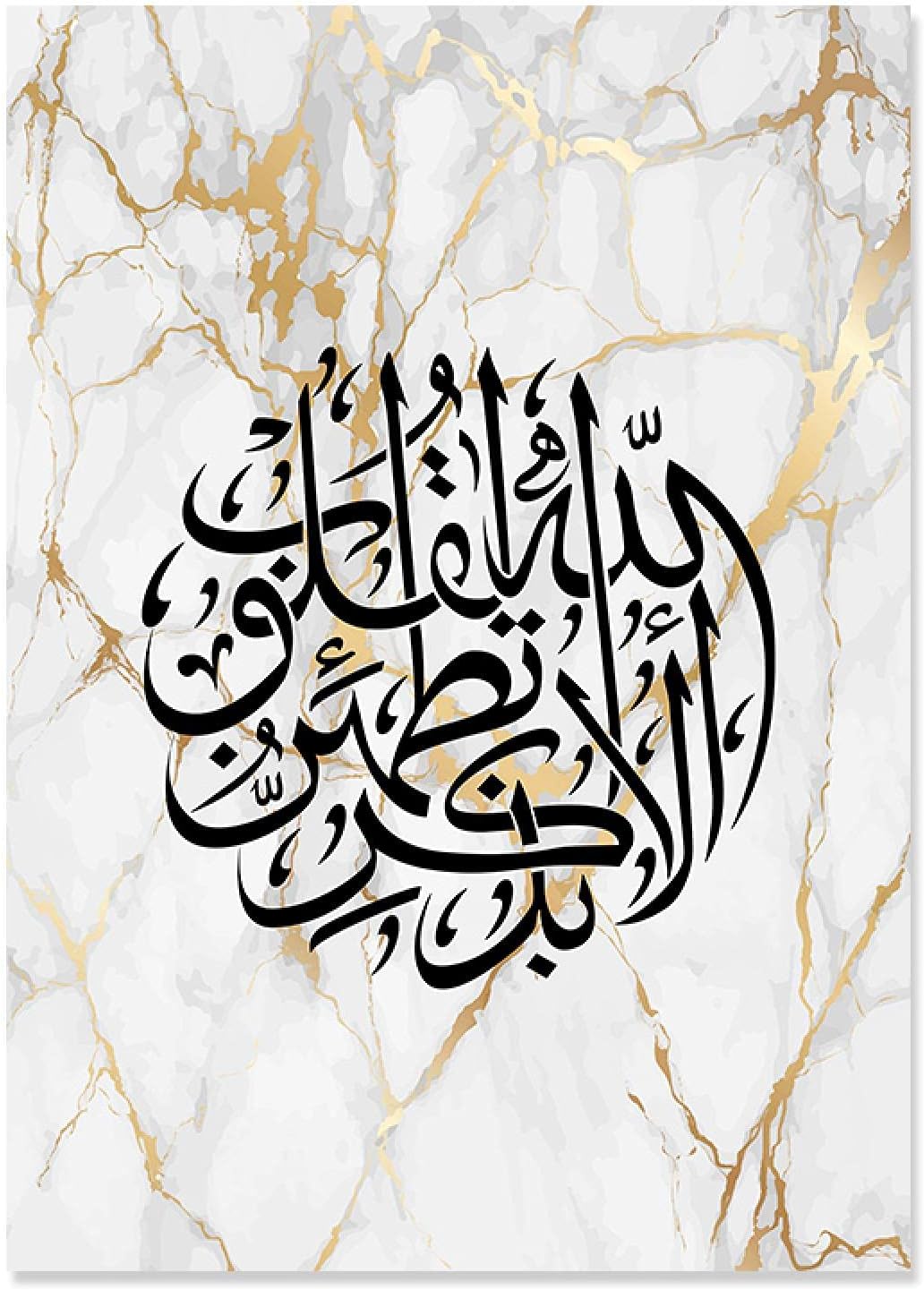
Setelahnya, icon juga bisa mengacu pada suatu objek familier. Contoh tergampang adalah bentuk “+” secara universal diketahui sebagai bentuk salib. Atau kaligrafi sebagai perwakilan dari Islam. Singkat kata, mereka merupakan simbol dari agama masing-masing.
Iconography: Representasi Agama dalam Dunia Seni
Representasi agama dalam dunia seni dimulai dari zaman Romawi, lebih tepatnya di era Byzantine (330–1453) ketika dimulai argumentasi soal kelayakan sosok religius ditampilkan dalam karya seni.
Para iconoclast menentang, sementara para iconophile mendukung menampilkan sosok religius dalam gambar atau lukisan yang tentu tetap memiliki fungsi untuk disembah.
Bahkan, di Abad Pertengahan, hampir semua seniman bekerja di bawah naungan gereja. Mereka dipekerjakan untuk menciptakan karya-karya seni yang memuat icon dan ajaran agama Kristen yang kemudian disebut sebagai Medieval Art.
Dan kebetulan sebagian besar seniman pada zaman itu memang termasuk sosok religius yang melihat campur tangan Tuhan saat mereka berkarya.
Karya terpopuler dari era ini adalah lukisan Christ Pantocrator (500-600) yang dianggap sebagai lukisan religius tertua di dunia. Another trivia, arsitektur beraliran Gothic pertama tercetus dari era Medieval Art ini.
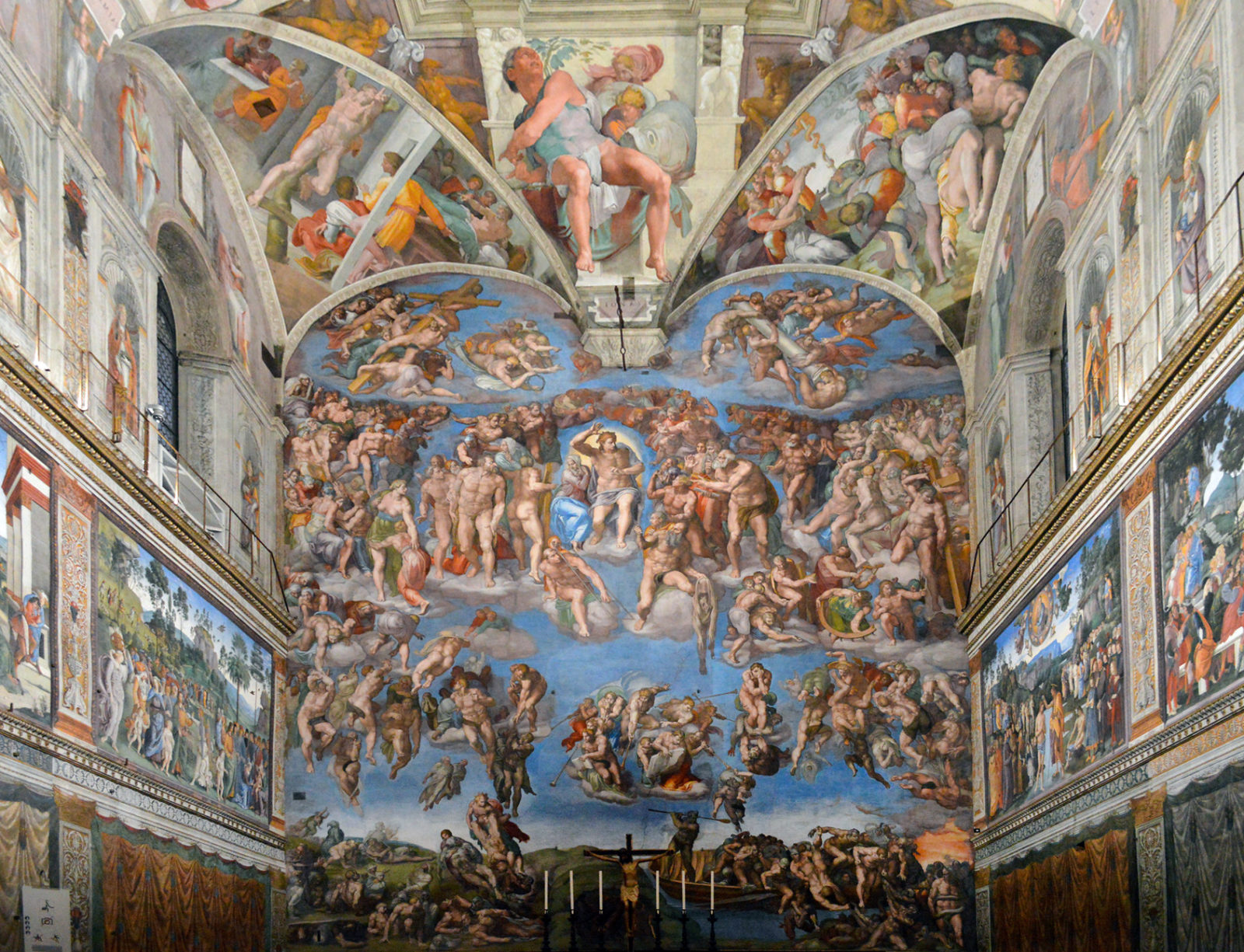
Ketika dunia seni memasuki fase Renaissance, atau yang disebut juga sebagai era Pencerahan, persinggungan antara seni dan agama kian menguat. Interpretasi seni dalam zaman Renaissance, terutama yang terkait dengan agama, mulai bergeser ke arah yang lebih membumi dan humanis, lebih dinamis dan life like.
Seniman-seniman seperti Michelangelo dan Leonardo DaVinci jadi dua seniman yang mencuat dari era Pencerahan. Fresco The Last Judgement karya Michelangelo yang dilukis di langit-langit Sistine Chapel, Vatican menjadi salah satu karya seni terpopuler yang begitu kental dengan iconography.
Melihat dari sejarahnya, tak dimungkiri pembahasan iconography memang lebih terpusat pada aspek religi benua Barat. Ajaran Islam melarang penggambaran para Nabi sehingga simbolisasi lebih mencakup aspek arsitektural dan objek.
Dalam agama Buddha, selain sosok Siddharta Gautama dengan pose meditasi yang ikonis, iconography lainnya termasuk bunga lotus dan pohon Boddhi. Sementara tak berbeda jauh dengan Buddha, candi, pura, beserta dengan beraneka ragam sosok dewa-dewi, jadi iconography terpopuler dalam ajaran Hindu.
Memasuki abad 20, iconography religius mulai merambah juga ke wujud seni lainnya, termasuk film. Film-film seperti The DaVinci Code, Life of Pi, Mother!, dan berbagai film-film horor berlatar belakang agama (dari Rosemary’s Baby hingga Immaculate yang dibintangi Sydney Sweeney) banyak menggunakan berbagai ikon religi.
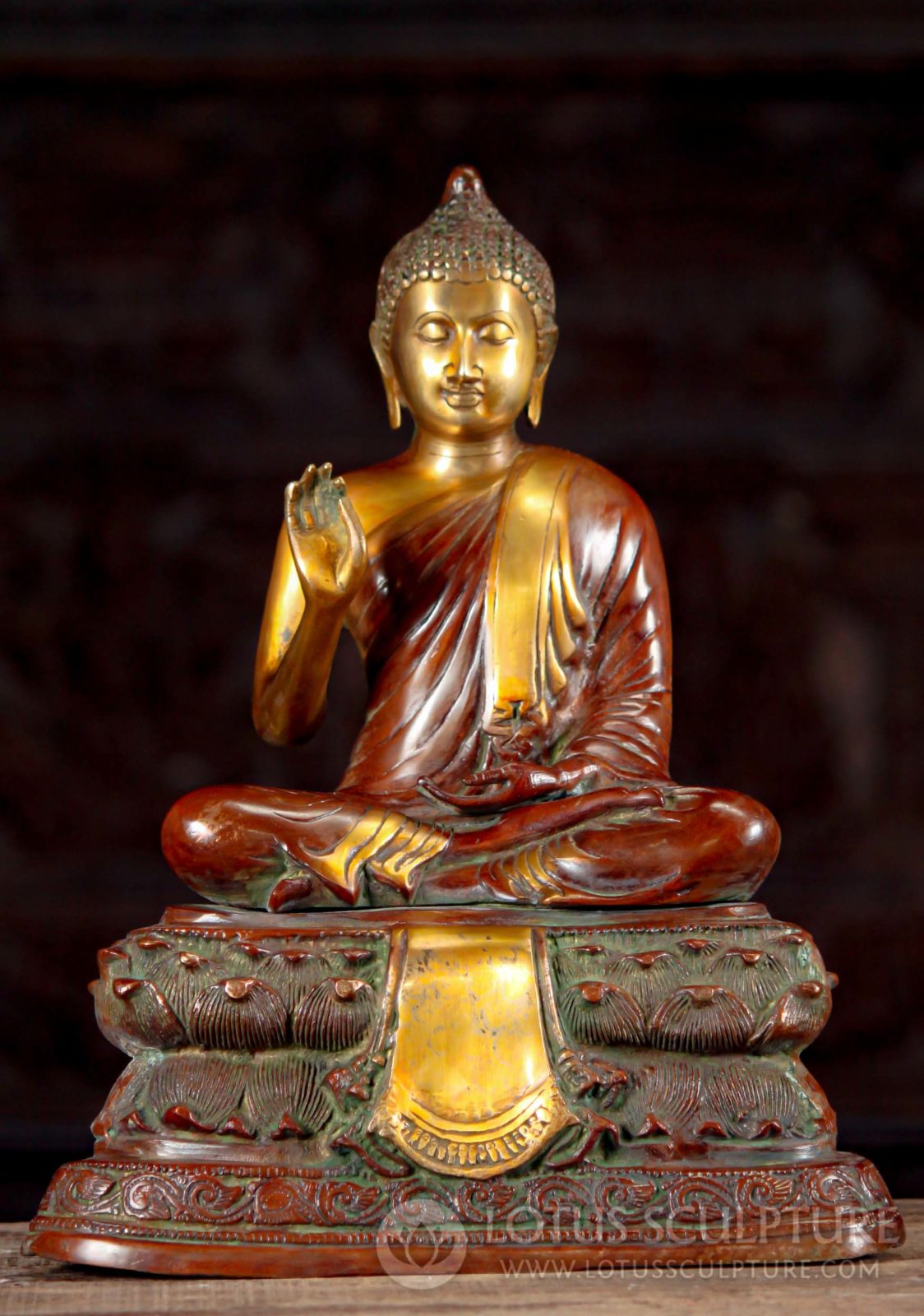
Selama perjalanan sejarahnya, seni dan agama tampaknya memiliki hubungan saling menguntungkan. Berkat dukungan (tokoh) agama, para seniman memiliki insentif untuk terus berkarya; dan berkat para seniman, pengaruh agama jadi semakin tersebar luas.
Sebagai hasilnya, an icon was born.