ART RAGA offers a new way to experience art exhibitions by bringing together artworks, wellness, and interactive activities.
In recent years, art exhibitions have moved beyond simply observing artworks displayed on gallery walls. Many organizers are beginning to create more open spaces where visitors can move freely, join workshops, interact with installations, or simply take in the atmosphere. Art, too, is becoming something more alive—inviting people to participate rather than simply observe.
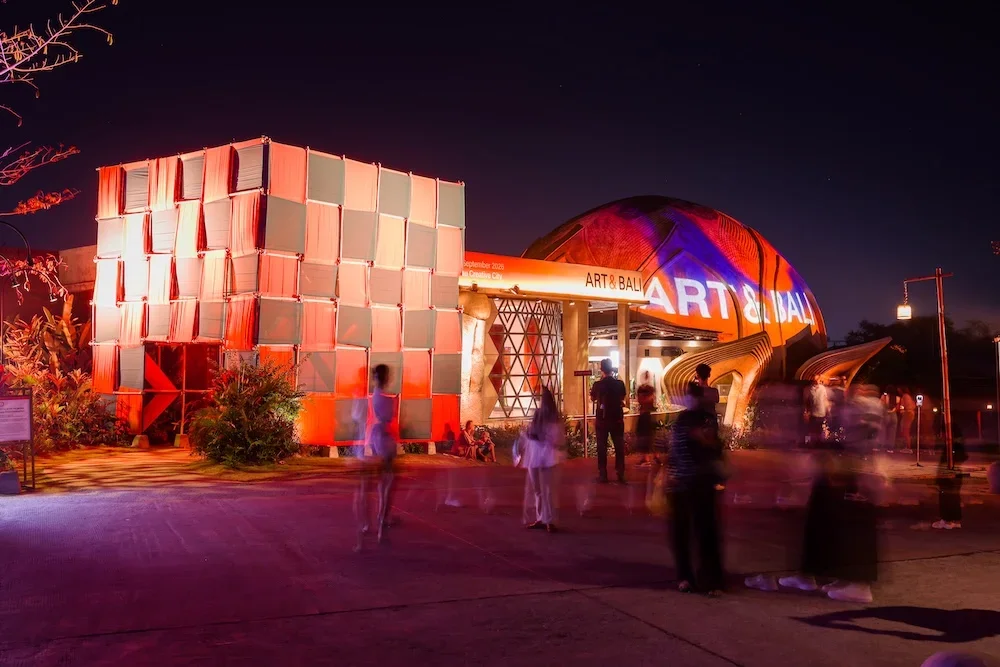
Responding to this growing trend, ART RAGA offers another way to experience art. Under the theme “Kreatif di Jiwa, Aktif di Raga” (Creative in Spirit, Active in Body), the festival brings art, sports, and wellness together in one series of programs. Rather than simply inviting visitors to experience artworks visually, ART RAGA encourages them to move, participate, and explore how creativity can grow when the body, mind, and soul are in harmony. Through an exploration of the connection between body, mind, and soul, the festival sees art not only as a medium of expression, but also as a space for reflection, restoration, and reconnection with oneself.
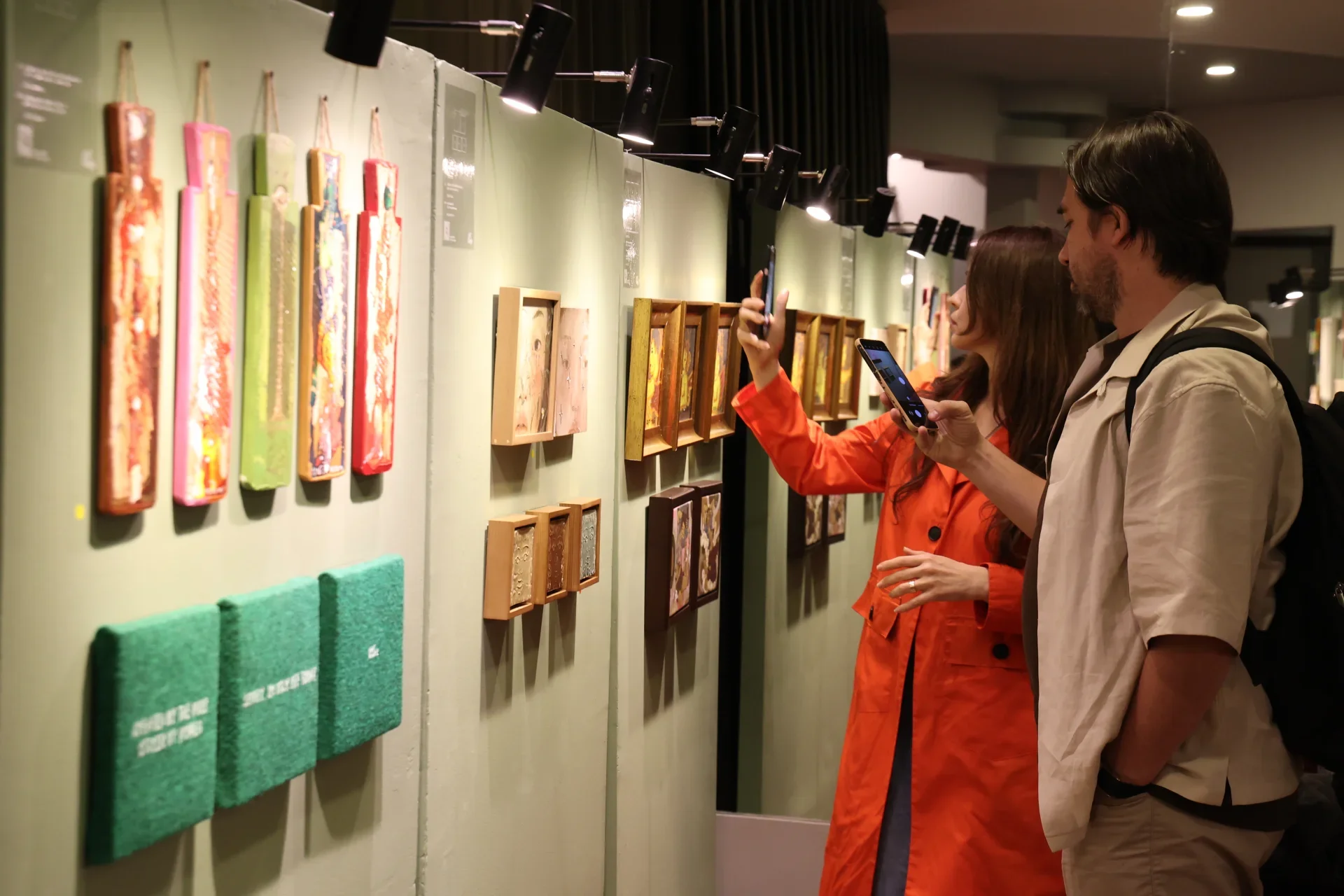 Visitors at ART RAGA. Source: ART RAGA Documentation.
ART RAGA made its debut with a VIP Opening held on June 4, 2026, at Re:Bar Pilates in Pondok Indah, Jakarta. The festival was then opened to the public until June 7, 2026. The opening was attended by Dr. Melani Setiawan, Cosmas Gozali, Teges P. Soraya, and Mira Hoeng, alongside invited guests who were among the first to experience the various programs and activations prepared for the festival.
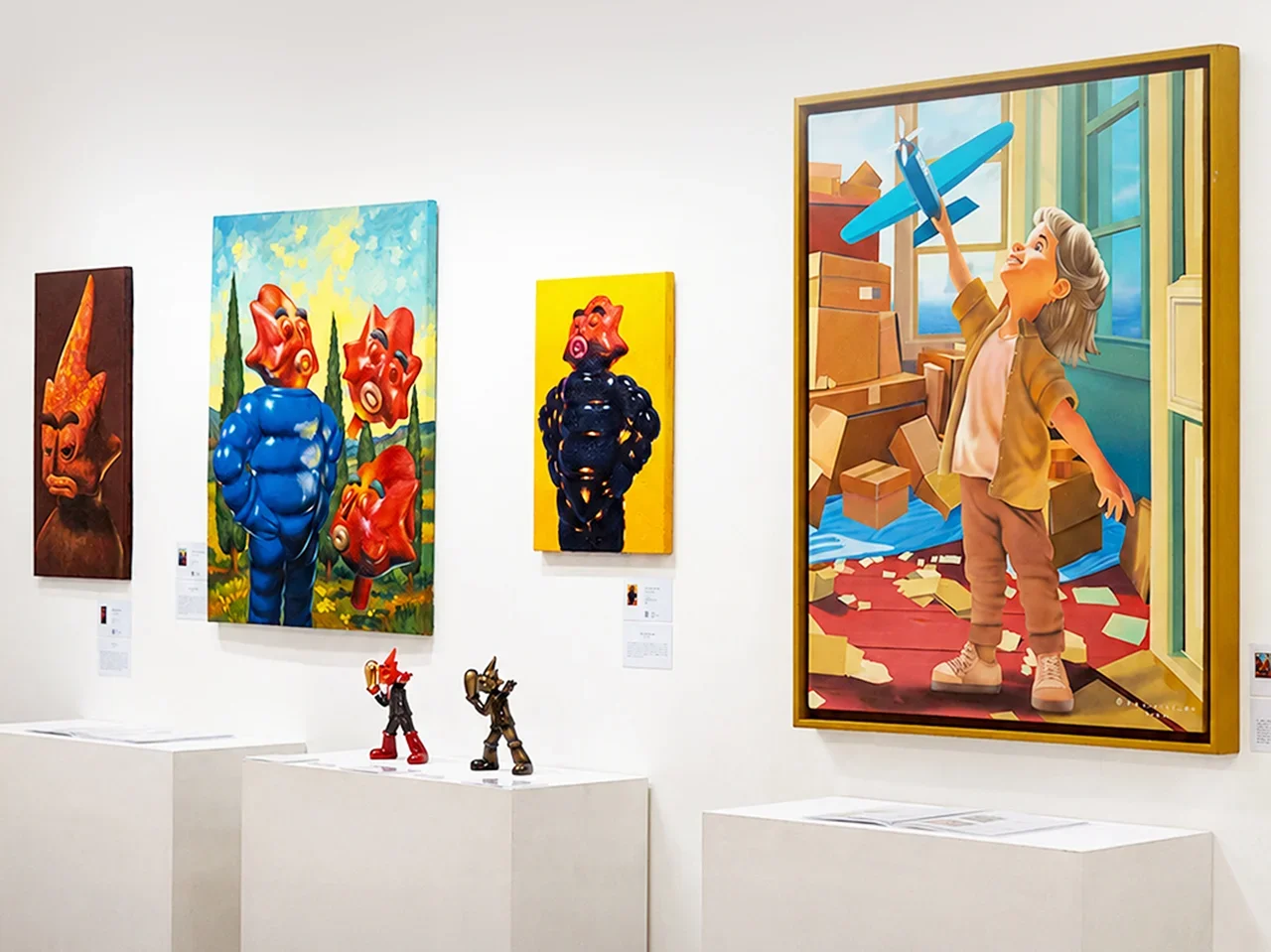
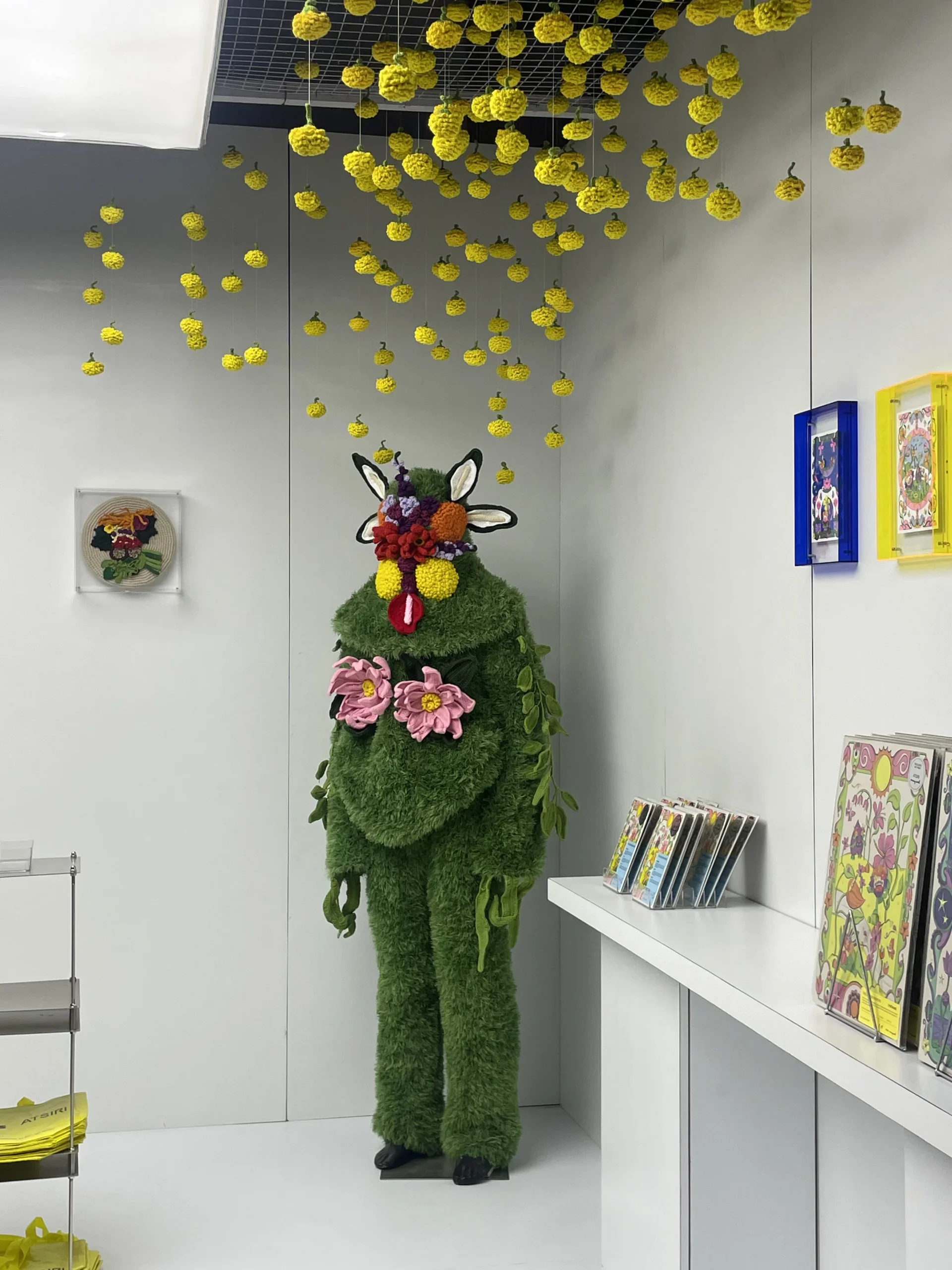
More than 20 Indonesian and international artists took part in the festival, including Angki Purbandono, Nasirun, Budi Ubrux, and Dadi Setiyadi. Their works were presented through a variety of approaches, from conventional exhibition spaces to areas that invited visitors to interact directly, such as the Immersive Room, Notanbox Room, and Garden Room. Each area offered a different way of experiencing art, allowing visitors to build an experience that felt personal to them.
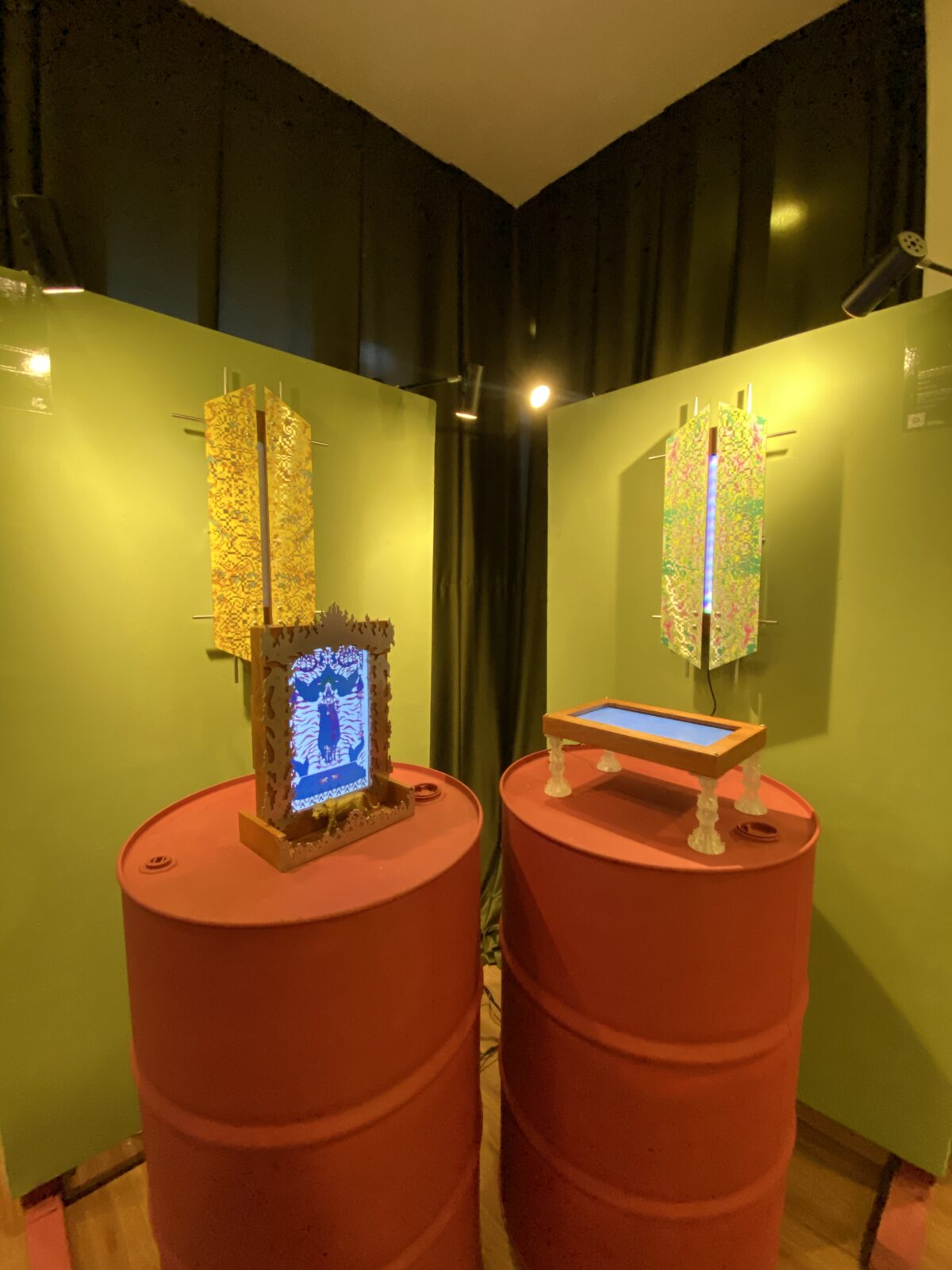 Works exhibited at ART RAGA. Source: ART RAGA Documentation
Art, Wellness, and Spaces for Connection
ART RAGA’s distinctiveness can also be seen in the way it integrates wellness into its overall program. Throughout the festival, visitors could take part in Mat Pilates and Reformer Pilates with Re:Bar, the Soul Harmony: Mandala Drawing workshop led by Maulinda Thohir, and Healing Mahjong with Prana Rebalance. These activities marked ART RAGA’s first exploration into the relationship between art and wellness practices, an area it plans to continue developing through collaborations with various sports and active lifestyle disciplines in the future.
Visitor enthusiasm was already evident from the first day. Among the various activations, Wangsit AI was one of the most popular. Through AI-powered tarot readings, the installation offered an interaction that felt personal while also demonstrating how technology can open up new possibilities within contemporary artistic practice.
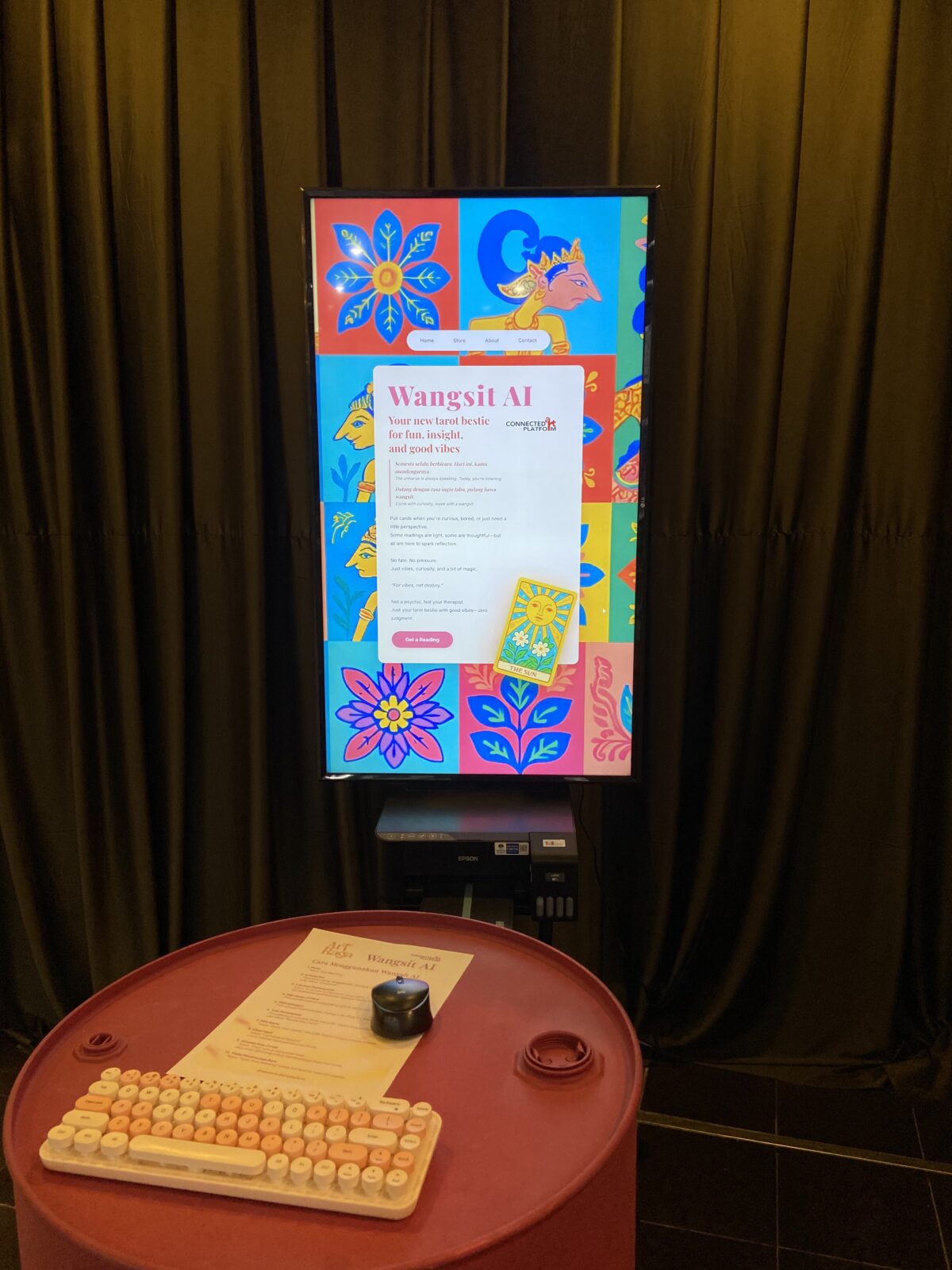 Wangsit AI, an AI-powered tarot reader at ART RAGA. Source: ART RAGA Documentation.
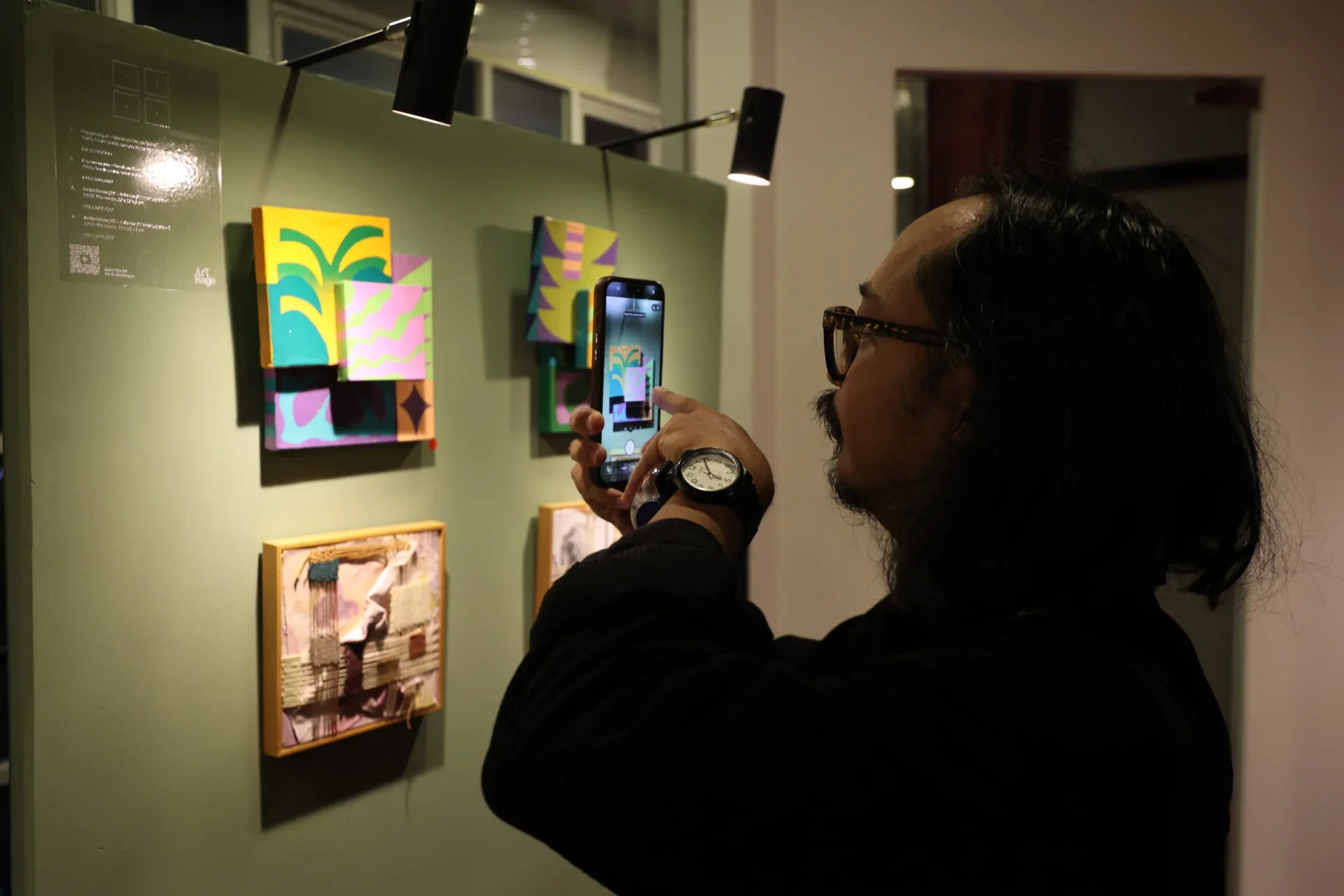
Behind its diverse programs, ART RAGA also demonstrates how art can become a meeting point for different communities. Artists, wellness practitioners, sports enthusiasts, and members of the public shared the same space, interacted with one another, and experienced the festival in their own ways. This approach shows that an artistic experience does not always emerge from artworks displayed on a wall. It can also grow from conversations, bodily movement, and the interactions that take place throughout the festival.
As its inaugural edition, ART RAGA offers a fresh perspective on what an art festival can be. Art, sports, and wellness are not positioned as three separate worlds, but as interconnected elements that can create a more complete experience. As the art ecosystem becomes increasingly open to cross-disciplinary collaboration, ART RAGA offers one example of how a festival can maintain artistic quality while building a closer relationship with its audience.
Ultimately, what visitors take home is not merely documentation of the works they encountered, but also the impressions created through every interaction, conversation, and moment they experienced along the way.
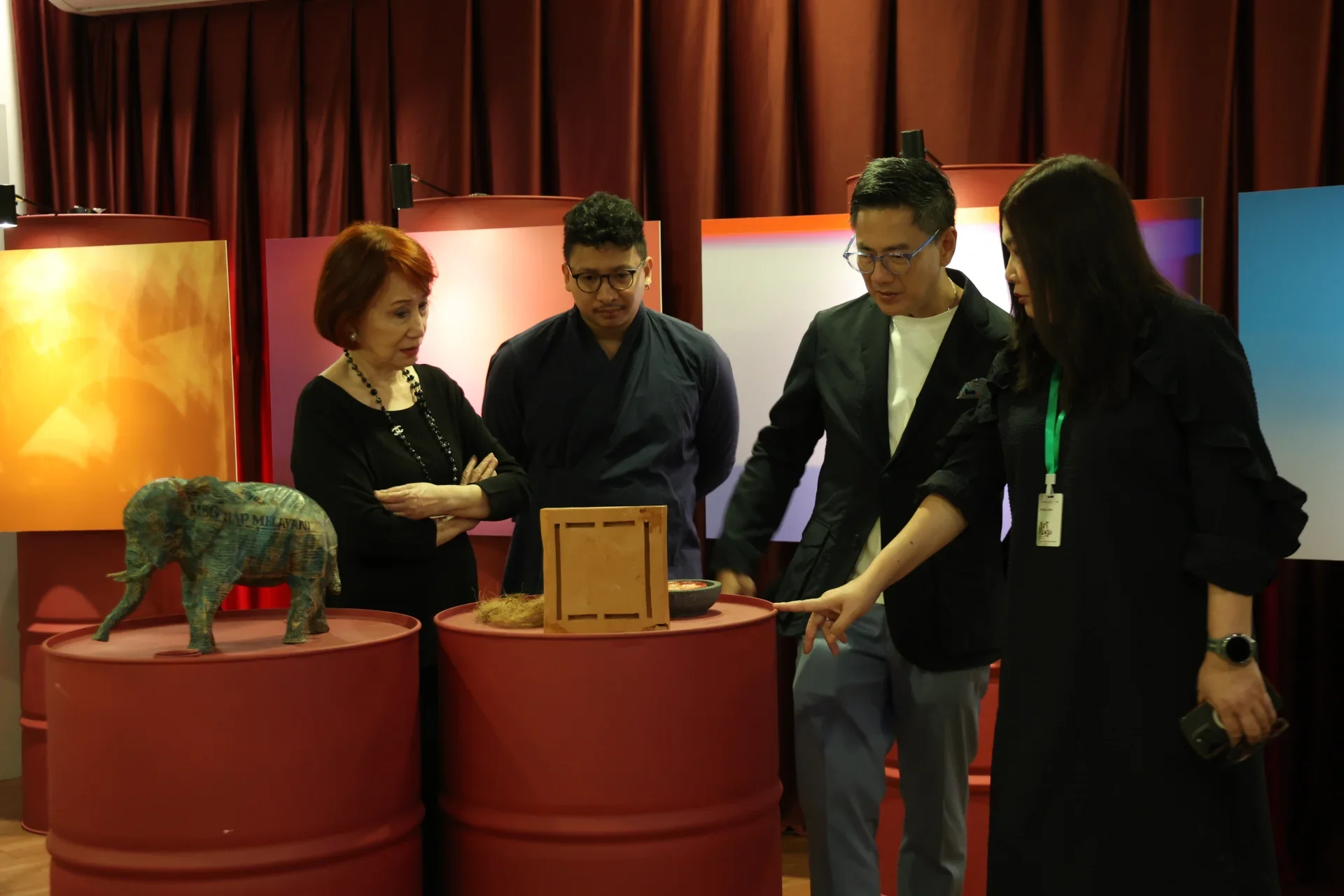 Visitors discussing an artwork at ART RAGA. Source: ART RAGA Documentation.