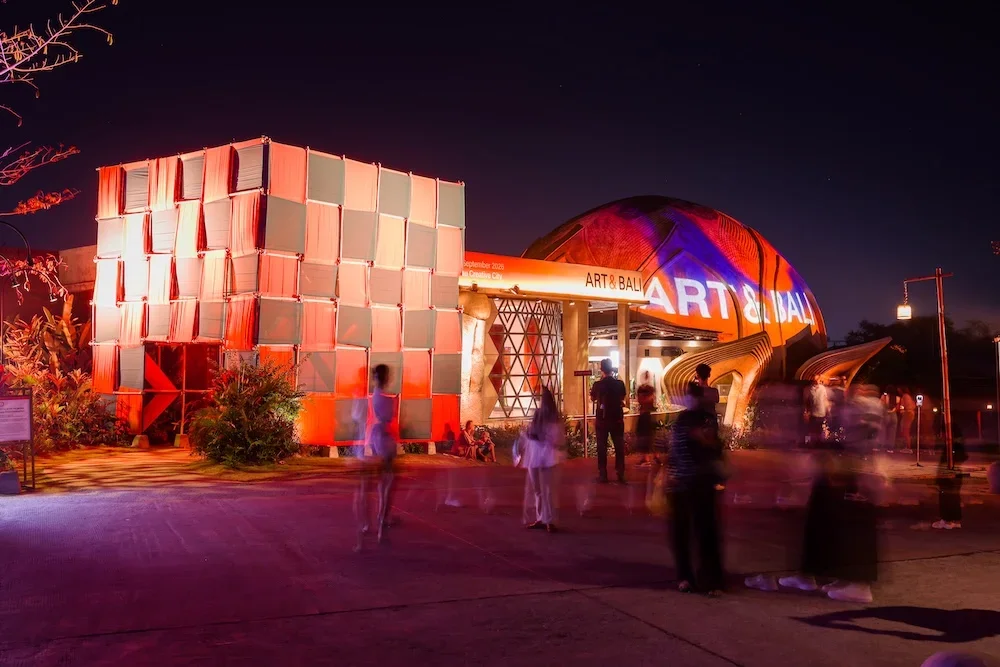
Alaya Kala presents the works of Adi Gunawan in a collaborative exhibition that brings together art, design, and culture at Melting Pot GF, Ashta District 8.
The way we experience an artwork is often shaped by the space in which it is presented. A sculpture can evoke an entirely different feeling when placed in a quiet gallery, an open public space, or a private home. It is from this idea that Alaya Kala emerged. Through a cross-disciplinary collaboration, the exhibition brings together sculpture, interior design, and cultural heritage to create an immersive experience.
Upon entering the exhibition, visitors are met with more than a series of sculptures displayed on pedestals. Every element is designed to connect with one another. Sculptures, furniture, plants, light, and architectural details come together to build a shared narrative, creating an atmosphere that invites visitors to engage with the art more intimately. Rather than simply observing, they are encouraged to experience how each element complements the others to form a complete spatial experience.
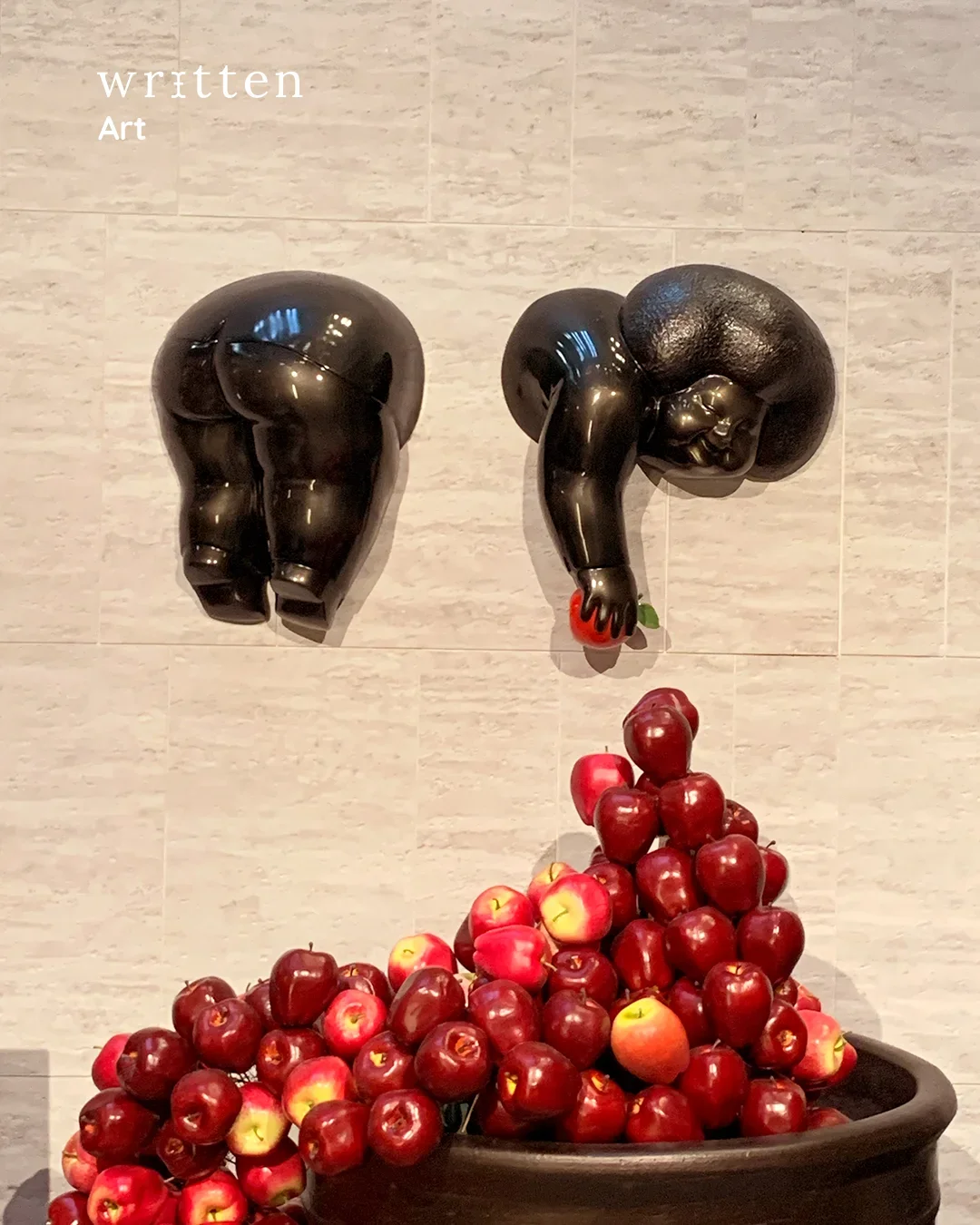
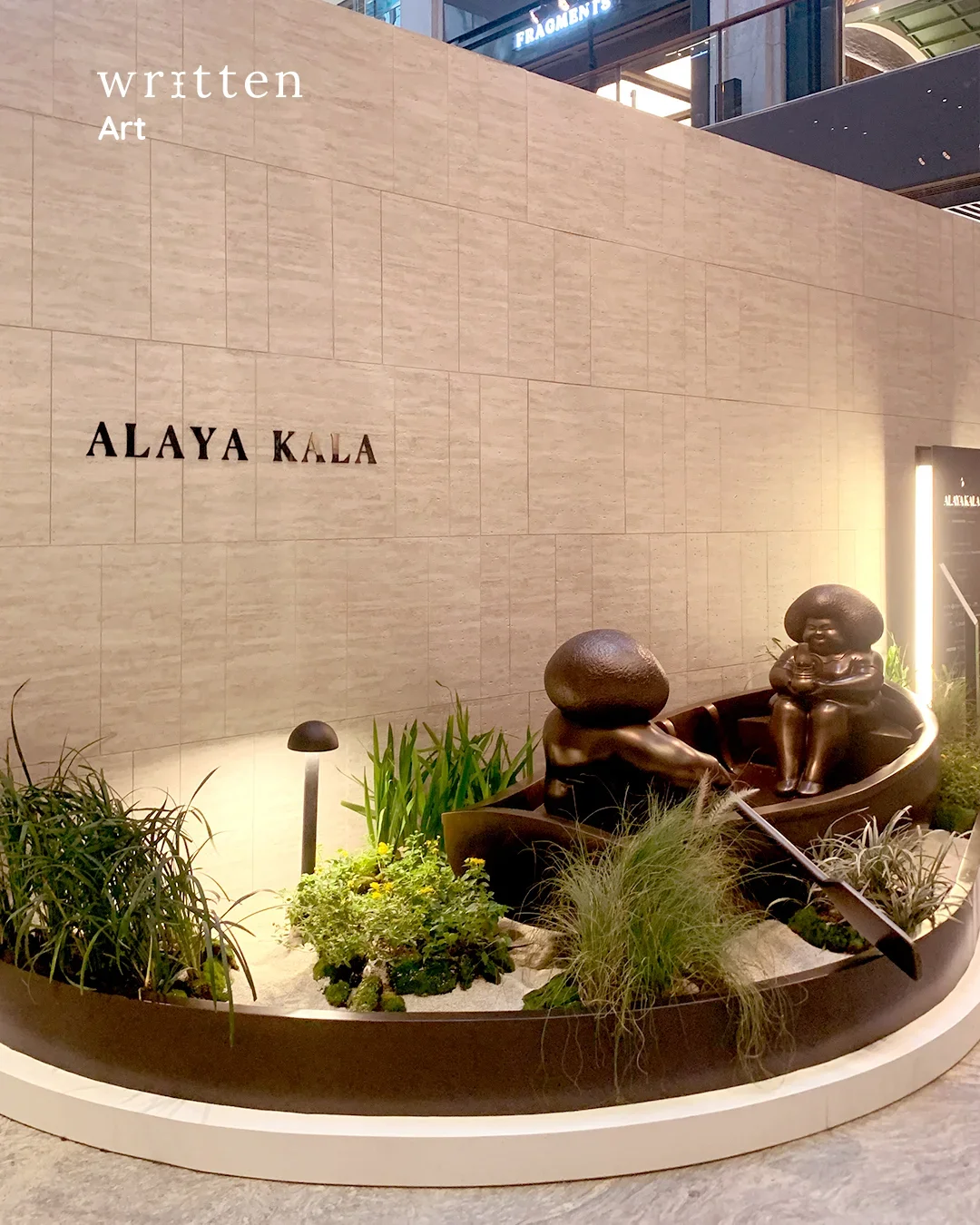 Alaya Kala collaborative exhibition.
Held at Melting Pot GF, Ashta District 8, from July 3 to 26, 2026, the exhibition brings together works by sculptor Adi Gunawan with SANKHARA Art, Quatro Design Studio, Theory of Living, and POLA Studio. Each comes from a different discipline, yet they are united by a shared idea: creating a space capable of holding stories.
In Sanskrit, Alaya means a place of shelter, while kala means time. Together, Alaya Kala becomes a metaphor for a space that holds journeys, traces, and memories—a home for memories that continue to accumulate over time.
This meaning resonates closely with Adi Gunawan's artistic journey. Born and raised in Yogyakarta, his work has often drawn from personal experiences, human relationships, and the cultural values that shape the way we see the world. Yet in Alaya Kala, these cultural roots are not expressed through overt symbols. Instead, they emerge more subtly through the experience of space.
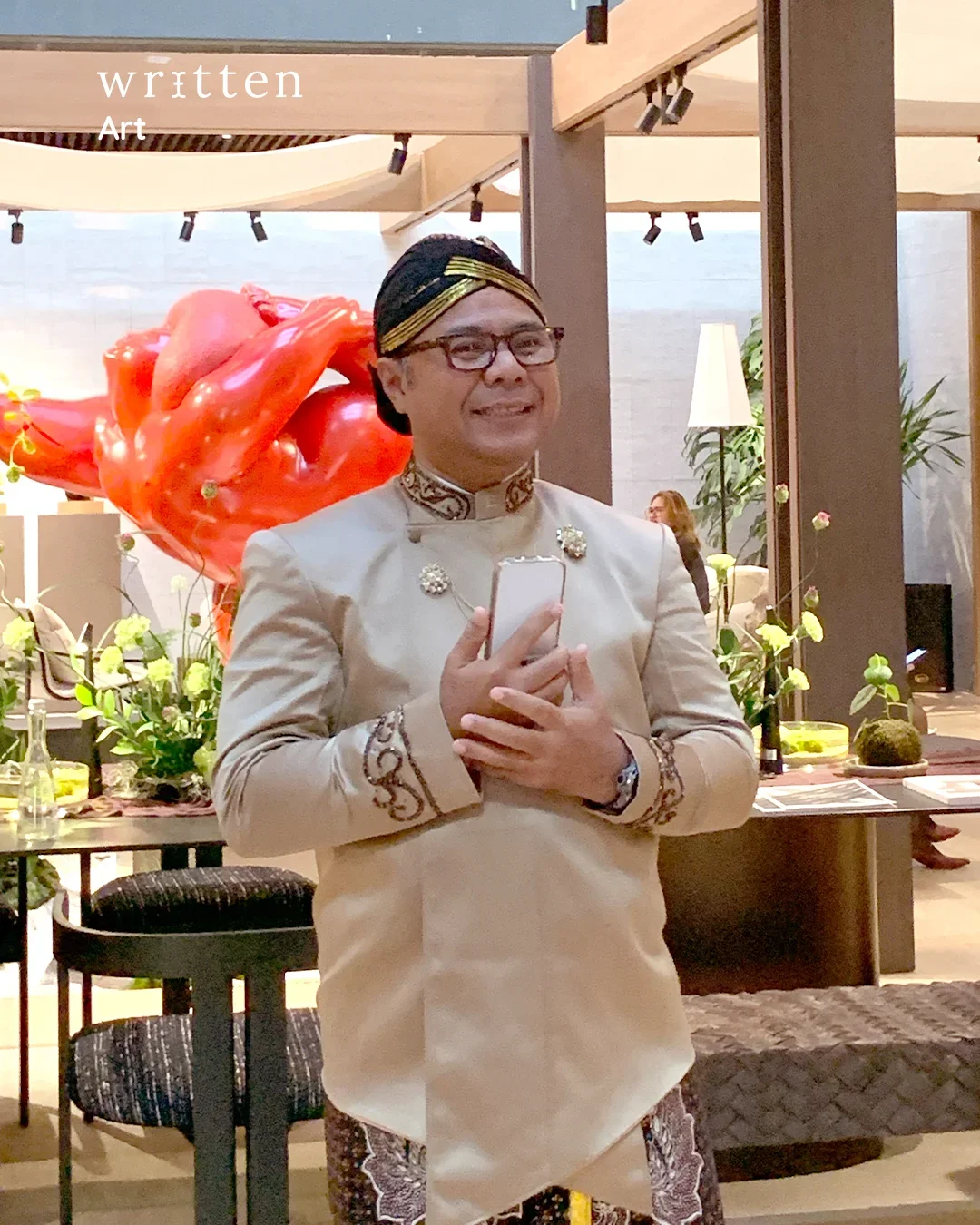 Adi Gunawan.
The Joglo house became one of the exhibition's primary sources of inspiration—not because its form was meant to be replicated, but because of the values it embodies. In Javanese tradition, a house is more than a building; it is a place to gather, share stories, and build relationships. It becomes a space that holds memories across generations. This idea was then translated into a more contemporary design language.
The task of translating this concept was entrusted to Quatro Design Studio. Rather than creating an exhibition space that resembles a Joglo house, the studio chose to reinterpret its essence. Warmth, openness, and a sense of togetherness are expressed through interpretations of elements such as the four soko guru, traditional anyaman, spatial rhythm, and the interplay of light that guides visitors from one artwork to the next. The result is not a replica of the past, but a new space that still carries traces of its origins.
Behind the overall experience, SANKHARA Art acts as a bridge between the artwork, the artist, and the space. For them, an artwork's journey does not end when it leaves the studio. In fact, that is where its story begins. An artwork continues to find new meaning each time it encounters a different space, changing light, or people who arrive carrying their own experiences. This philosophy is captured in the spirit of Crafting Art, Curating Spaces, which forms the foundation of Alaya Kala.
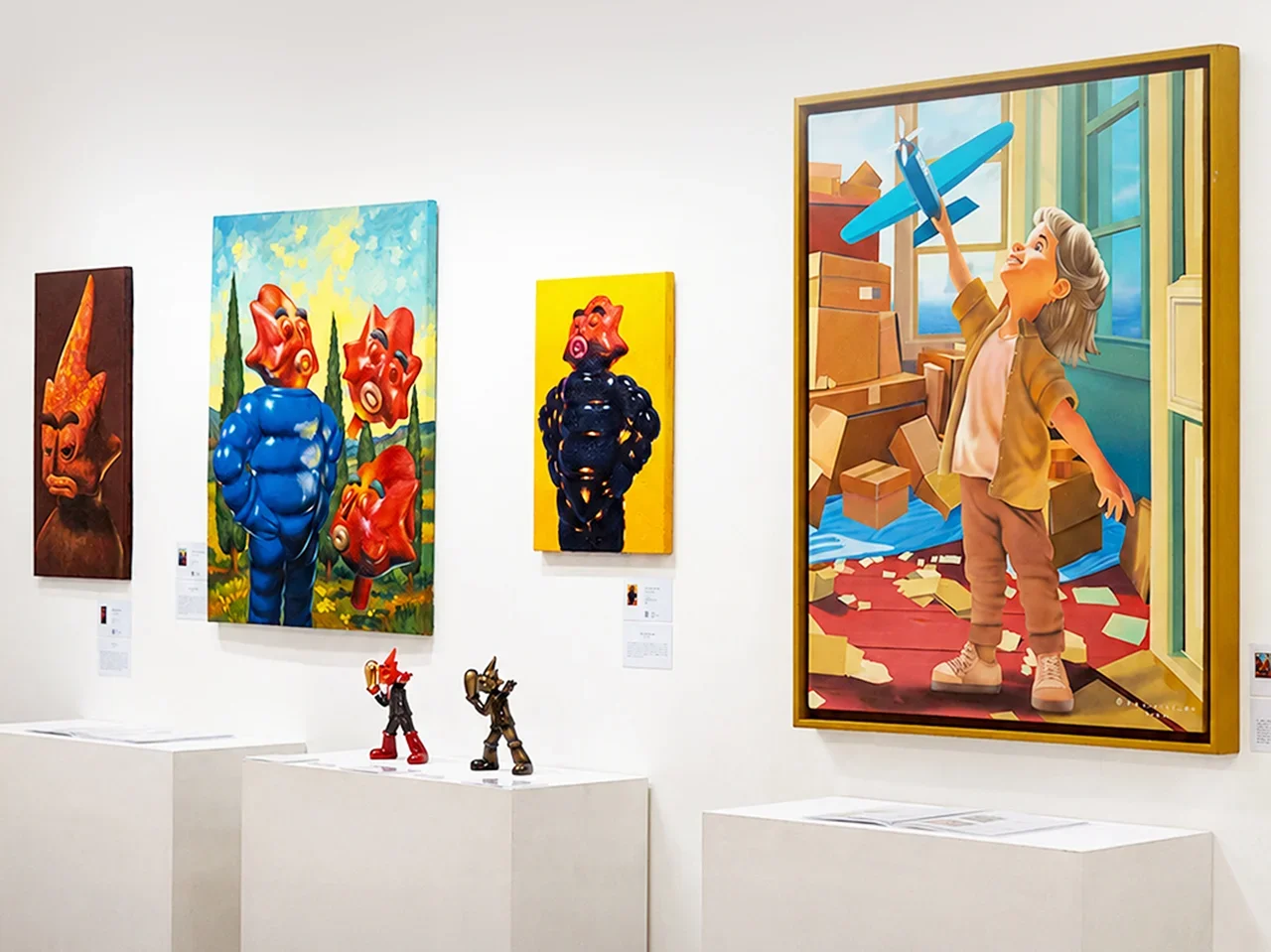
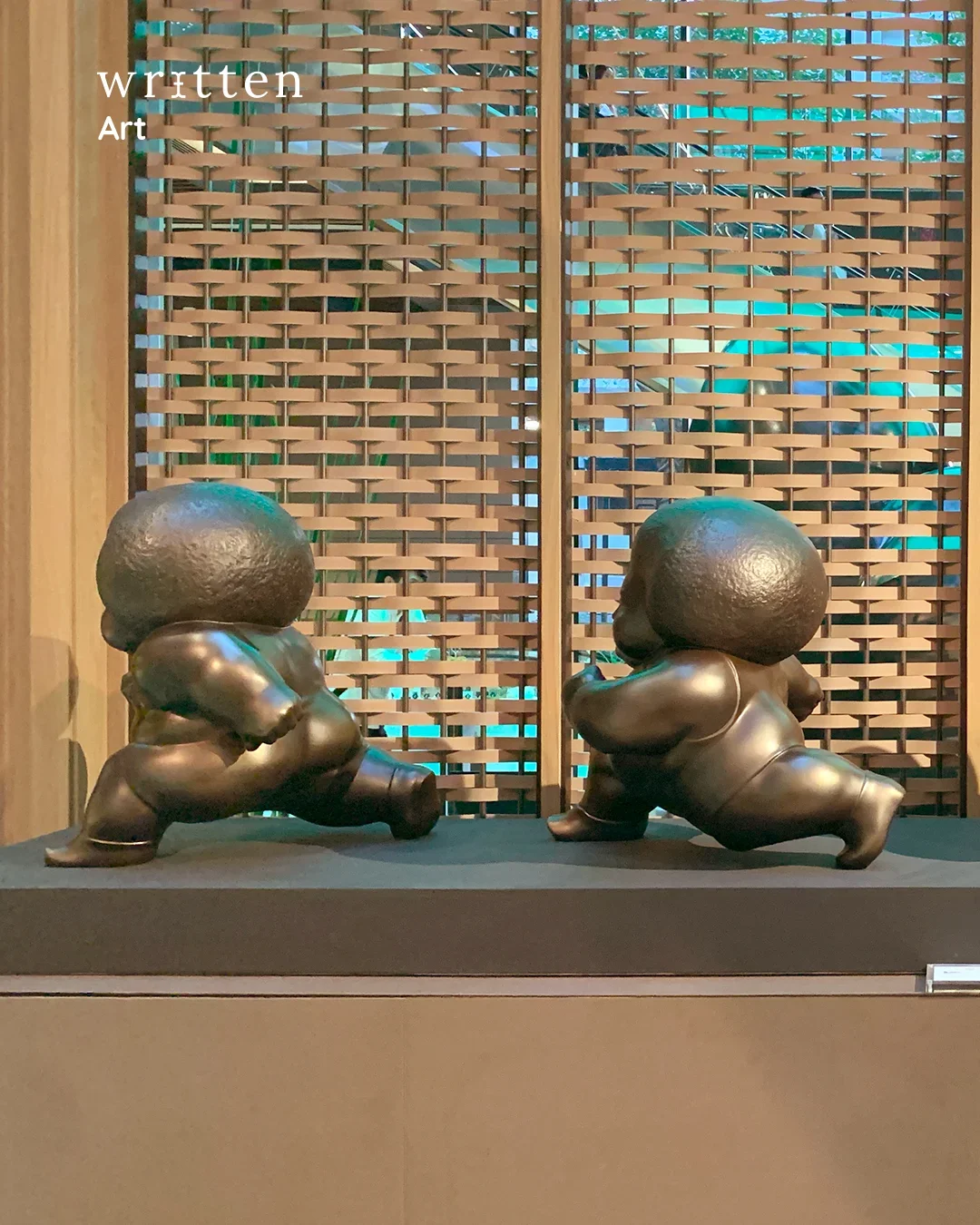 One of the artworks at the Alaya Kala exhibition.
The spatial narrative is further enriched by the presence of Theory of Living. The furniture presented is not positioned merely as an interior accessory, but as part of the story. Much like Adi Gunawan's works, which can exist in different contexts without losing their identity, Theory of Living's collection is designed to live alongside its space and inhabitants. Their encounter creates a natural dialogue, as though art and furniture were always meant to share the same setting.
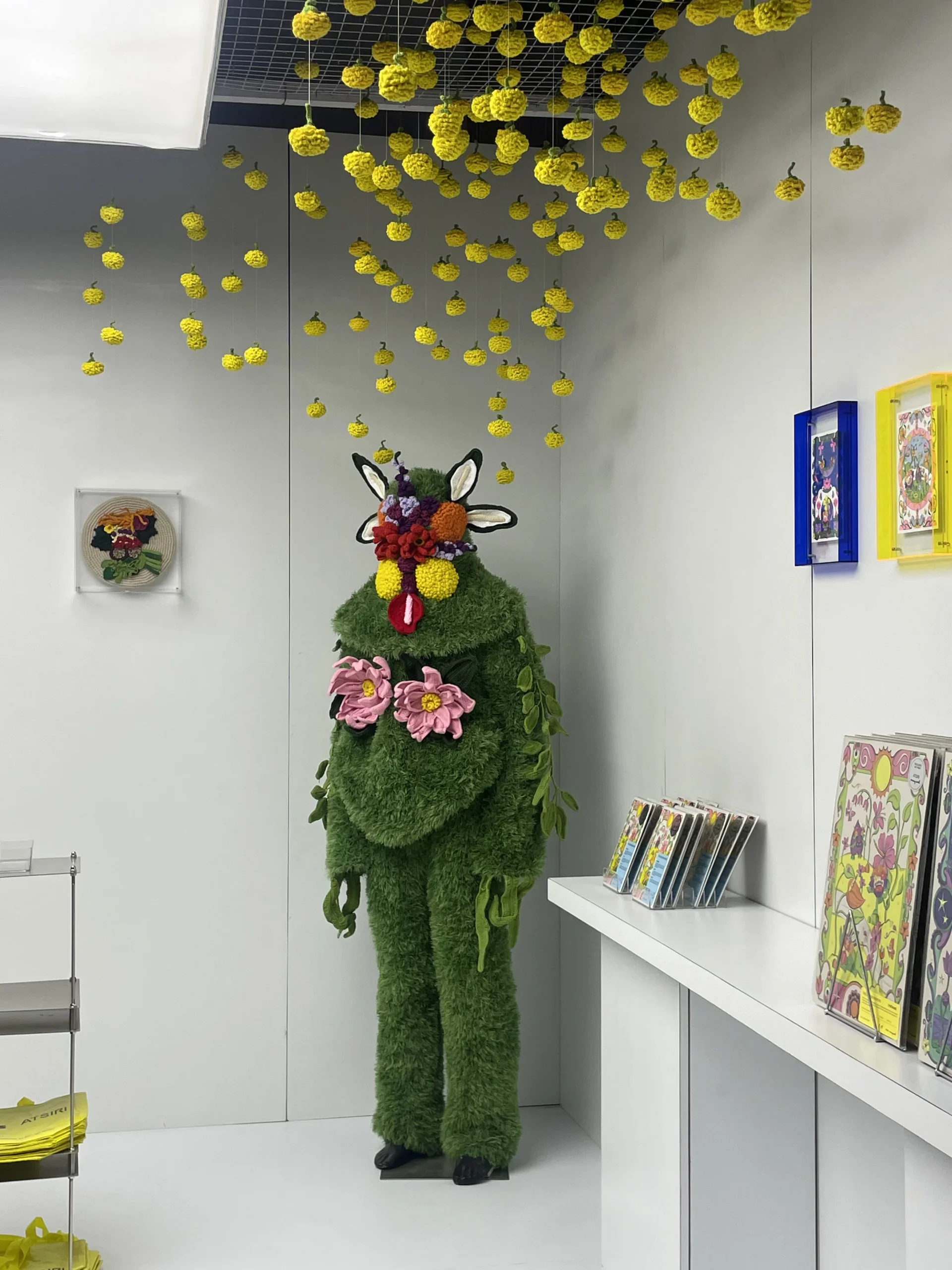
Meanwhile, POLA Studio introduces another equally important dimension: the relationship between space and nature. Just as traditional Javanese houses have always maintained a close relationship with the plants around them, the floral and botanical elements curated by POLA Studio soften the boundary between interior and nature. Their presence brings a sense of breath to the space, creating an atmosphere that feels more alive, calm, and familiar.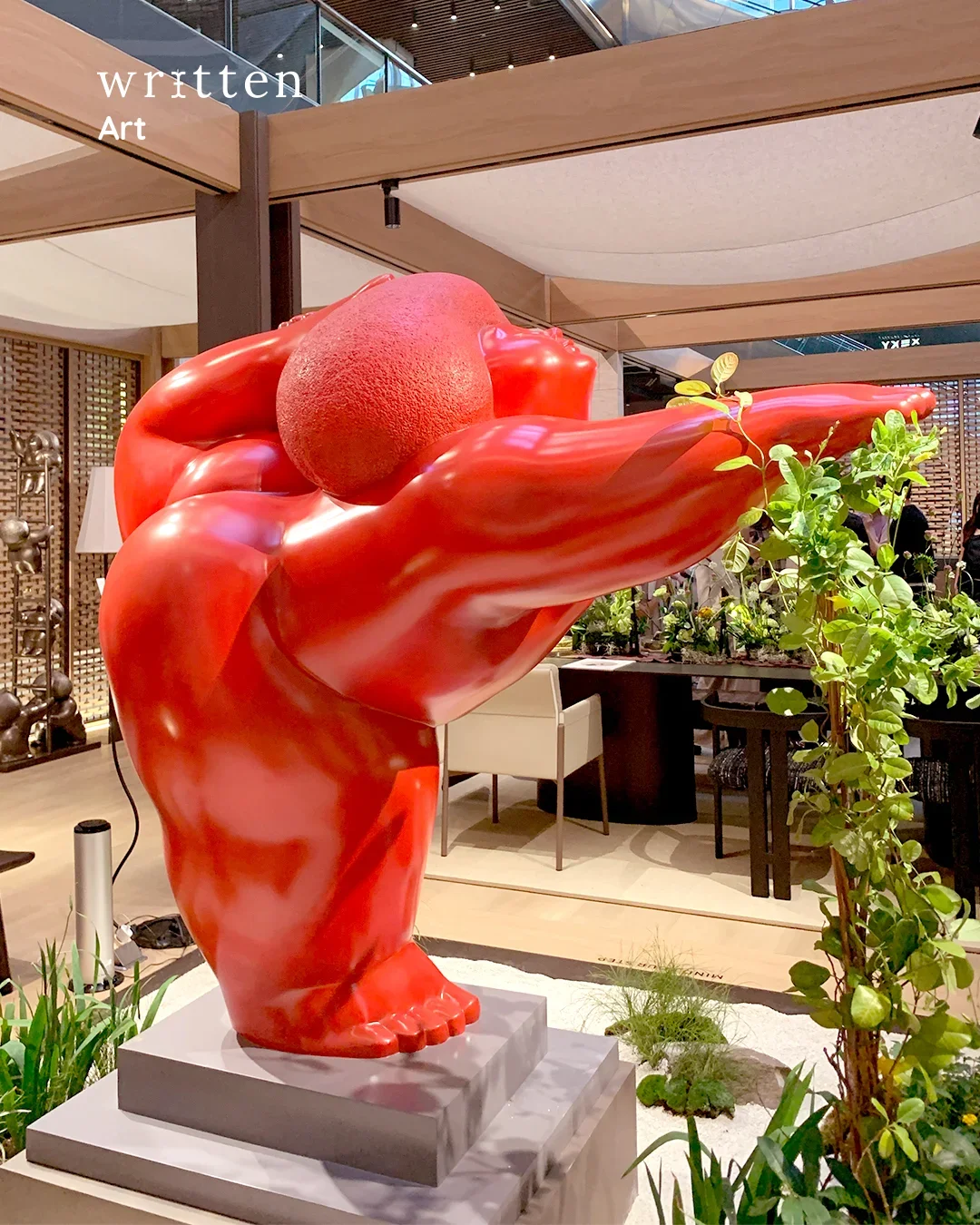 One of the artworks at the Alaya Kala exhibition.
Alaya Kala is more than an exhibition showcasing artworks. It offers a way to understand how space can shape experience, how design can translate memory, and how art can feel intimately connected to everyday life. When visitors leave the exhibition, what remains is not only a memory of Adi Gunawan's sculptures, but also the experience of having once stepped into a space that tells a story.