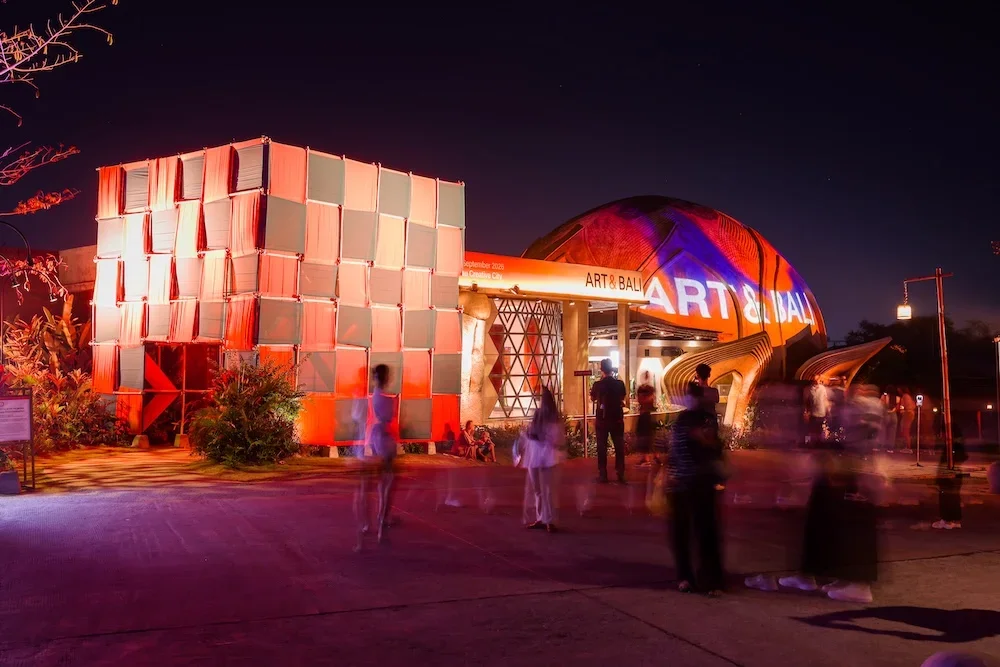
Chapter Jogja 2026 explores the ecosystem that keeps Yogyakarta’s art scene alive.
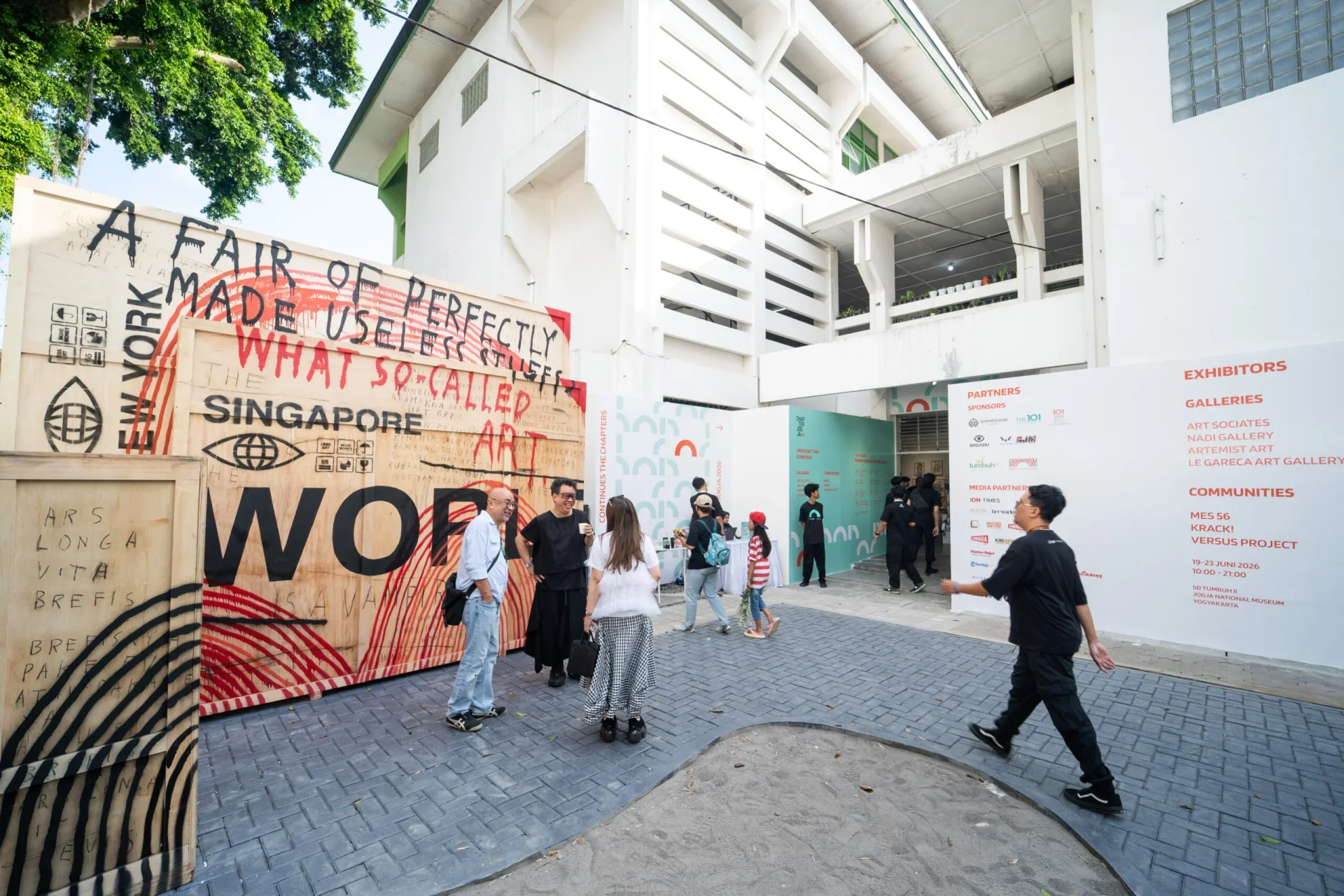
Chapter Jogja 2026 takes a different approach to the growing number of art fairs competing to attract artworks and collectors. Held from June 19–23, 2026, across the Jogja National Museum (JNM) and SD Tumbuh 2, the event presents itself as a unique art fair that not only brings art into the market, but also reveals the ecosystem that makes it possible.
Building on the legacy of Jogja Art Fair (JAF), Chapter Jogja seeks to revisit Yogyakarta’s greatest strength as an art city: not simply the abundance of artworks produced, but the network of people, communities, spaces, and knowledge that keeps artistic practices alive from one generation to the next.
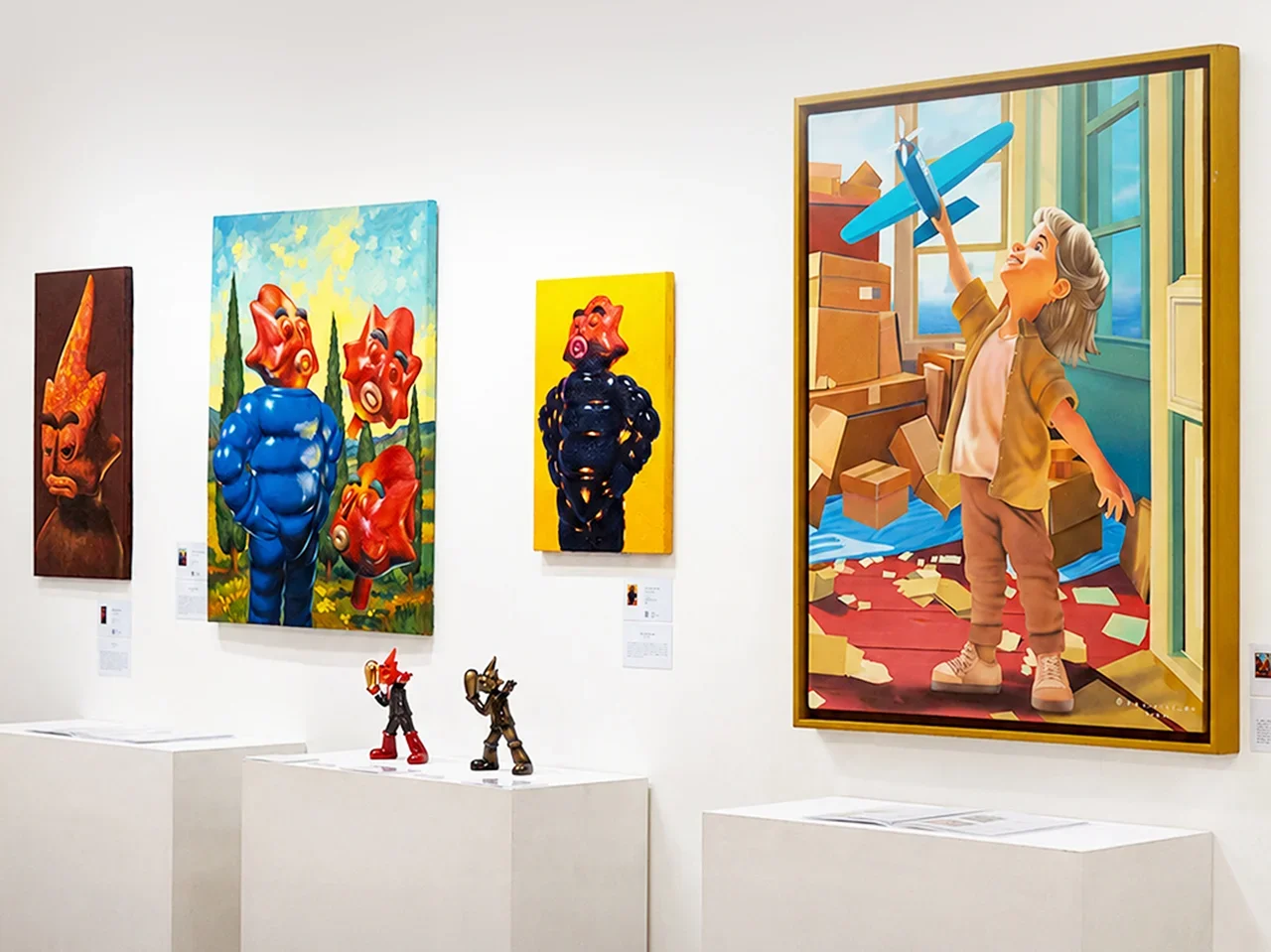
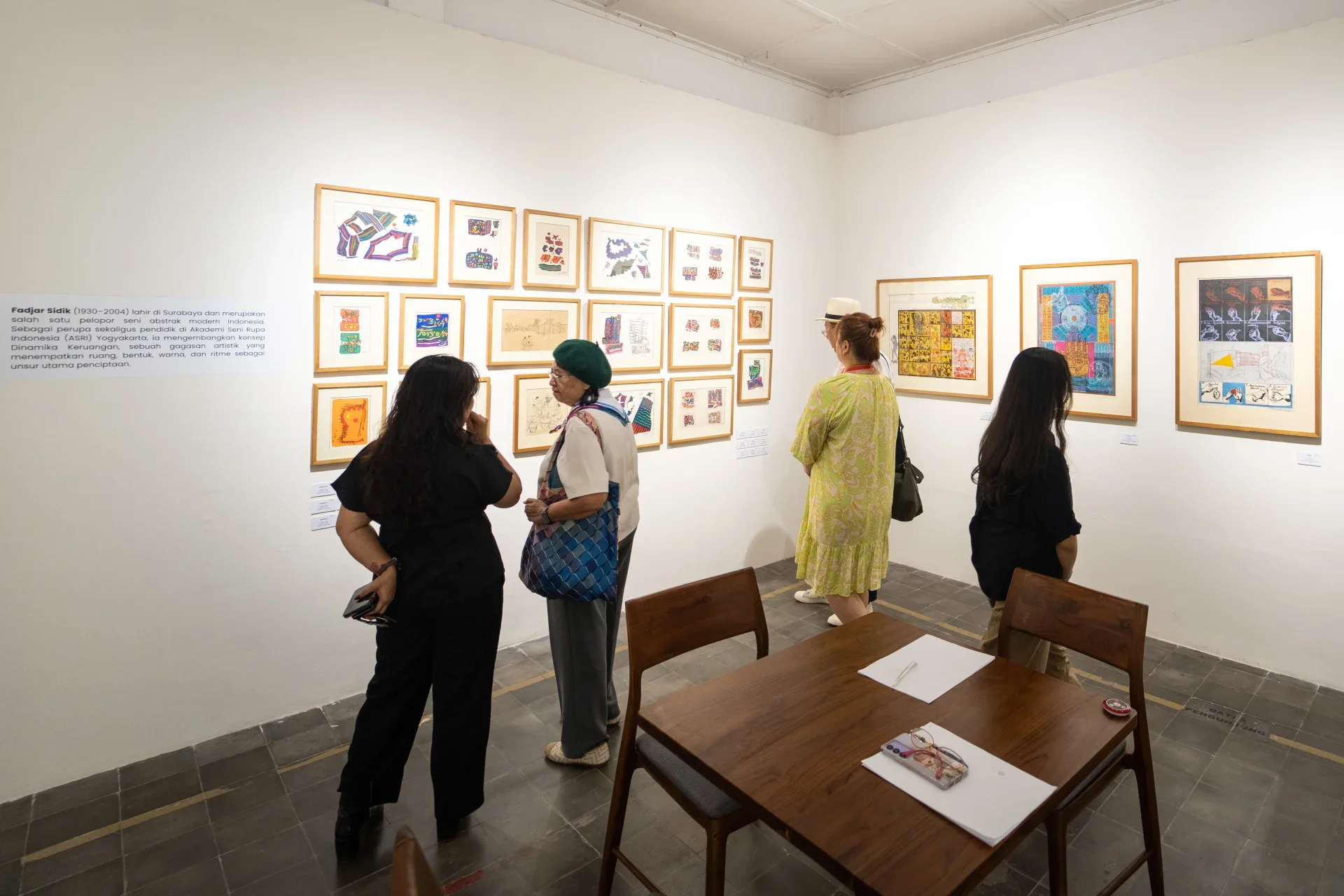 Le Gareca Art Gallery at Chapter Jogja 2026. Courtesy Chapter Jogja 2026.
More Than Just an Art Fair
For many people, an art fair is synonymous with exhibitions and buying and selling artworks. Chapter Jogja, however, attempts to broaden that perspective. Here, artworks are not positioned as the final destination, but as part of a much longer process.
That is why Chapter Jogja brings together not only galleries, but also communities, alternative spaces, academics, creative industry players, collectors, and the wider public. The approach stems from the belief that art does not develop in isolation. Behind every artwork is a network of conversations, collaborations, and relationships that are constantly evolving.
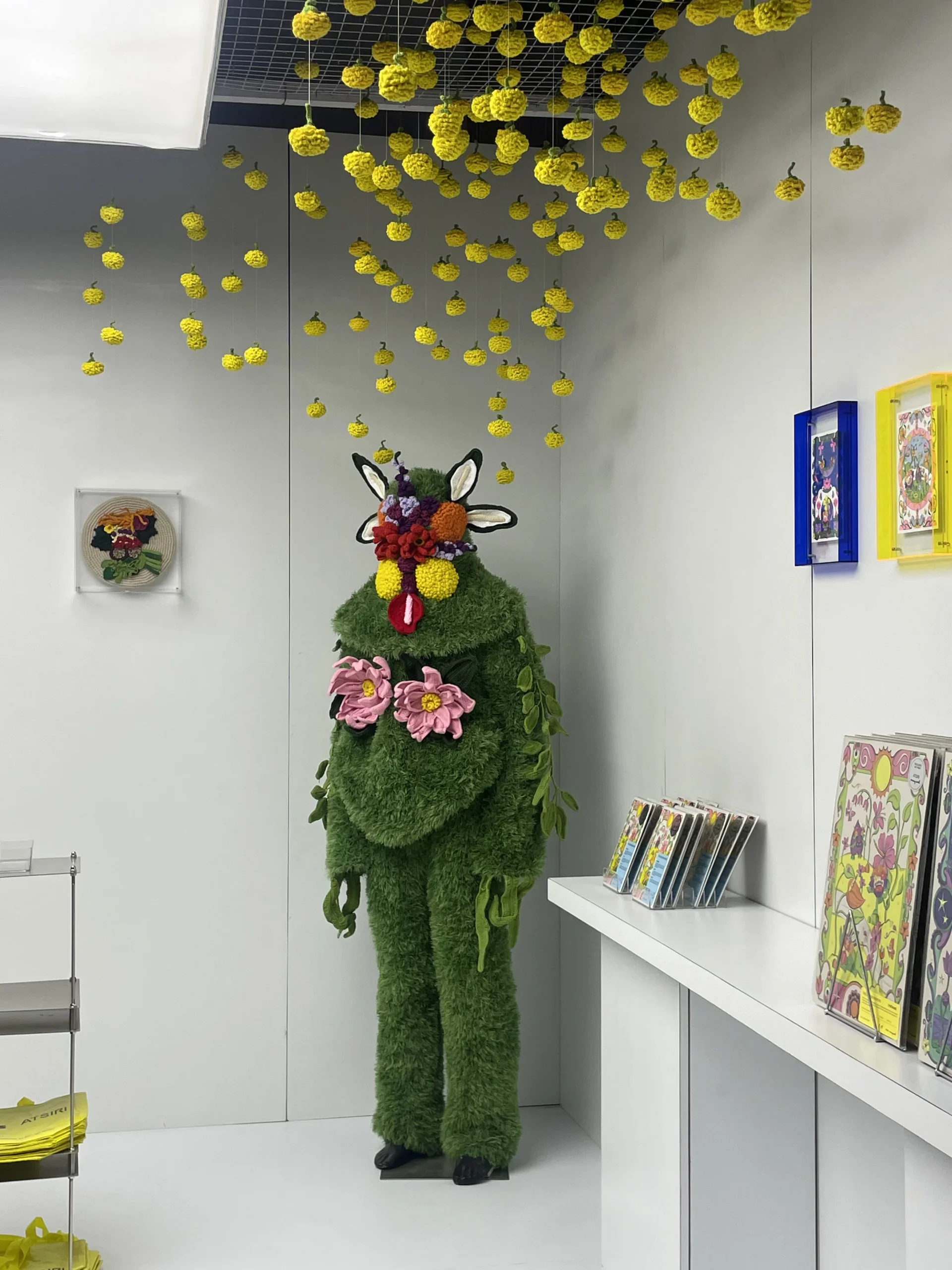
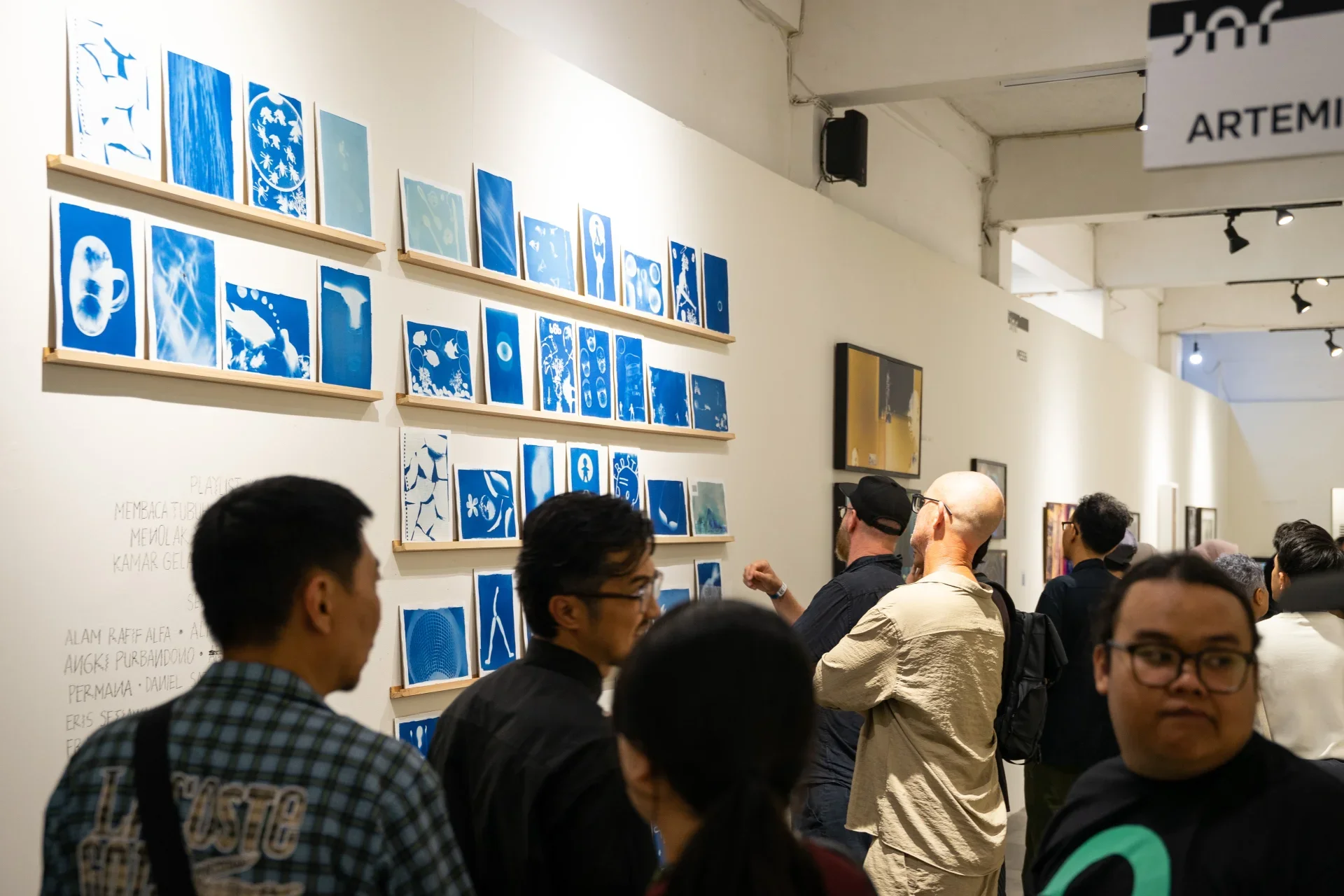 Presentation by MES 56 at Chapter Jogja 2026. Courtesy Chapter Jogja 2026 .
Yogyakarta’s Strength Lies in Its Ecosystem
Held alongside ARTJOG and located around JNM, Chapter Jogja draws on one of Yogyakarta’s greatest strengths: an art ecosystem that has grown organically over decades.
The city has a strong tradition of collectivity. Artists, students, communities, galleries, and the public come together across various spaces, allowing ideas to circulate continuously. This kind of social capital may not always be visible in transaction figures, but it forms an important foundation that keeps Yogyakarta relevant as one of Indonesia’s key centers for contemporary art.
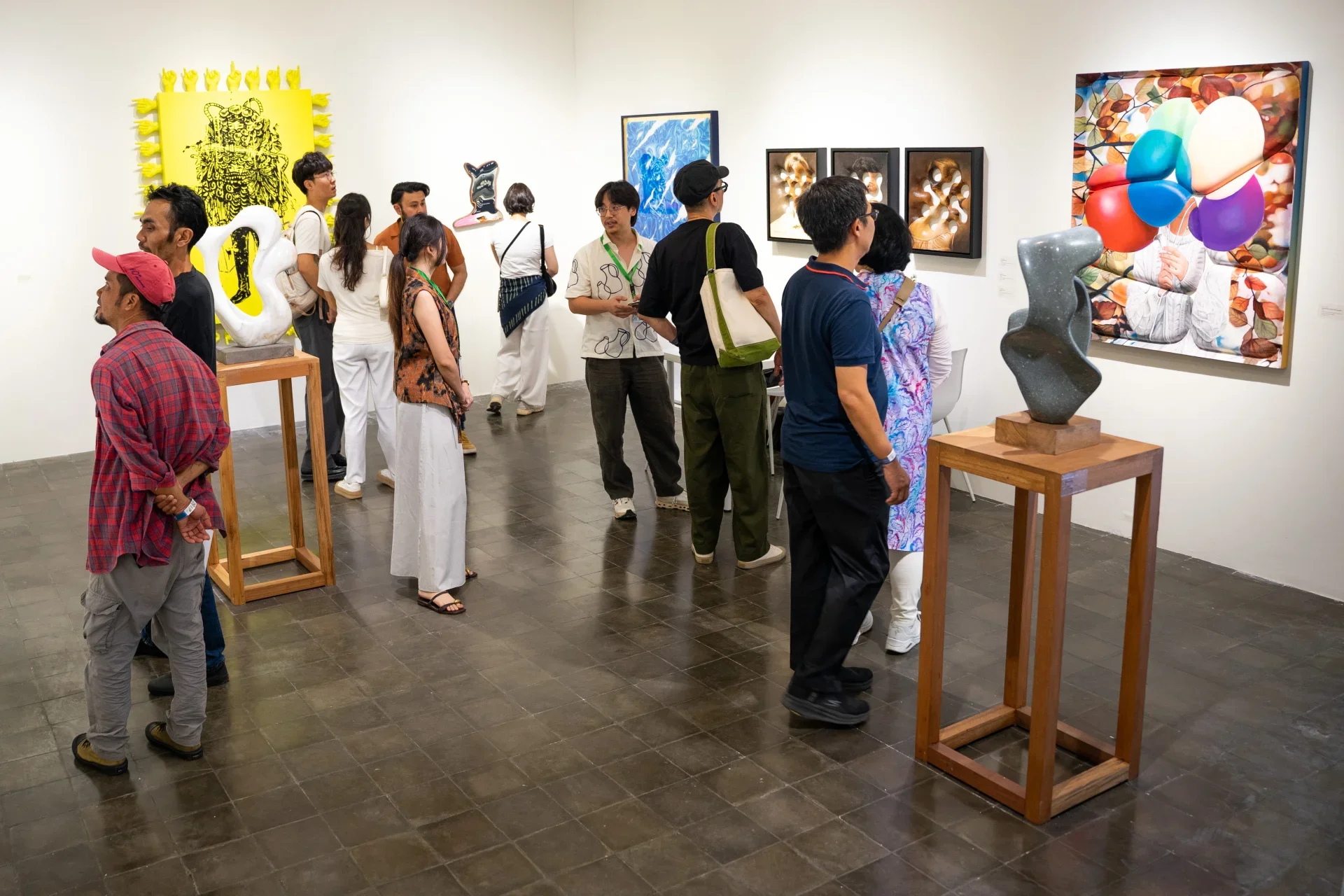 Nadi Gallery at Chapter Jogja 2026. Courtesy Chapter Jogja 2026.
According to Heri Pemad, Founder and Fair Director of Chapter Jogja, the JNM area has inherited a tradition of creative circulation that continues to move from one generation to the next. Chapter Jogja aims to become part of that flow
When Artistic Value Is Built Together
Chapter Jogja’s distinctiveness can also be seen in how it approaches value in art. While conventional economics speaks in terms of the exchange of goods, the art economy is built through the circulation of ideas, exposure, legitimacy, and public engagement.
This perspective is reflected in the involvement of galleries and communities such as Nadi Gallery, ArtSociates, Artemis Art Gallery, Le Gareca Art Gallery, Ruang MES 56, Krack! Printmaking Collective, and Versus Project. Their presence goes beyond simply participating in the event; they form part of a network that continues to produce knowledge and new possibilities within artistic practice.
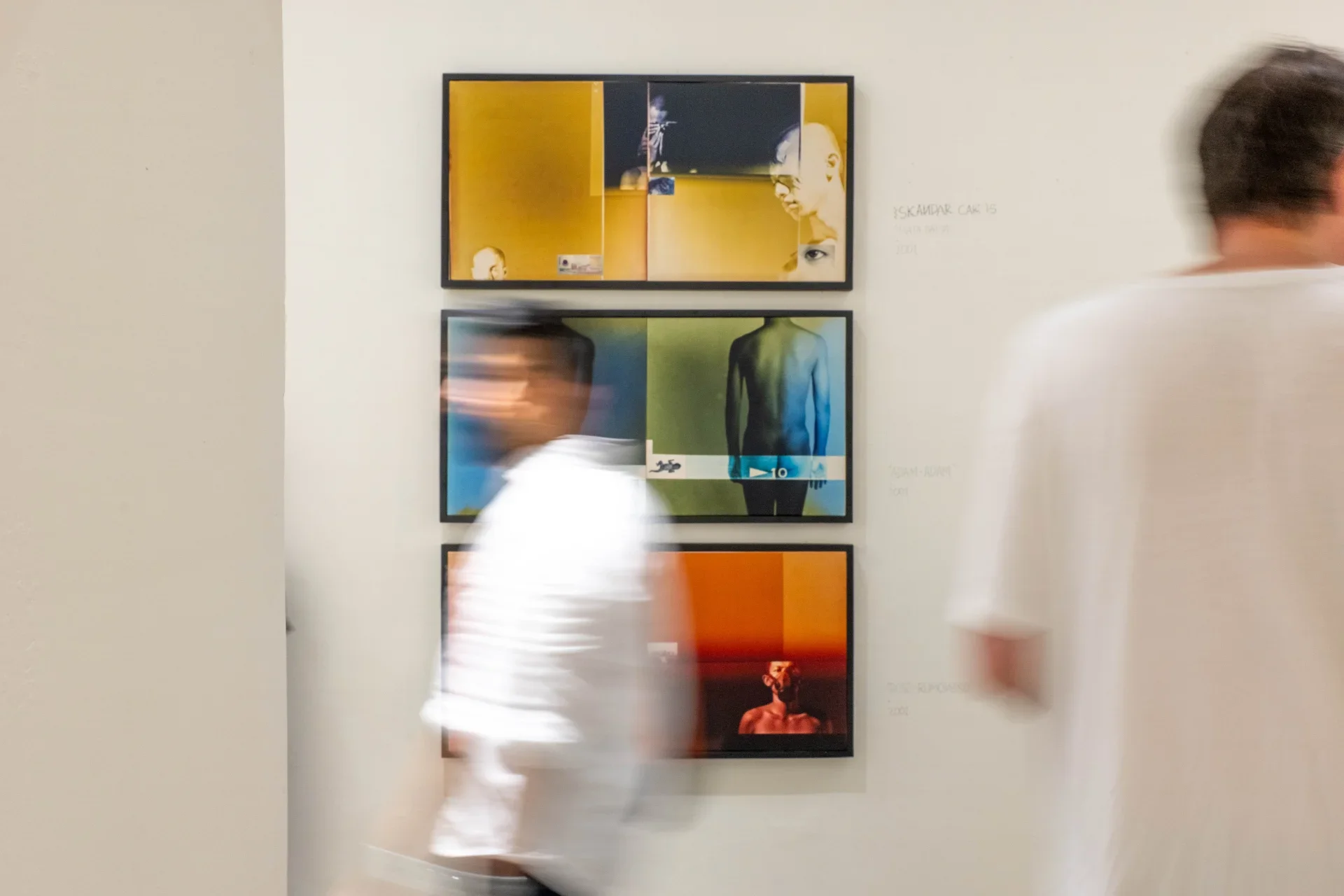 Iskandar Cak IS, “Mata Batin,” at Chapter Jogja 2026. Courtesy Chapter Jogja 2026.
Through this approach, Chapter Jogja offers another way of understanding the art fair. It is not only a space for transactions, but also a meeting point for art, the market, communities, and knowledge within an ecosystem that sustains itself. Ultimately, what is being celebrated is not only the work displayed on the walls, but the entire network of relationships that allows those works to exist and continue to hold meaning.