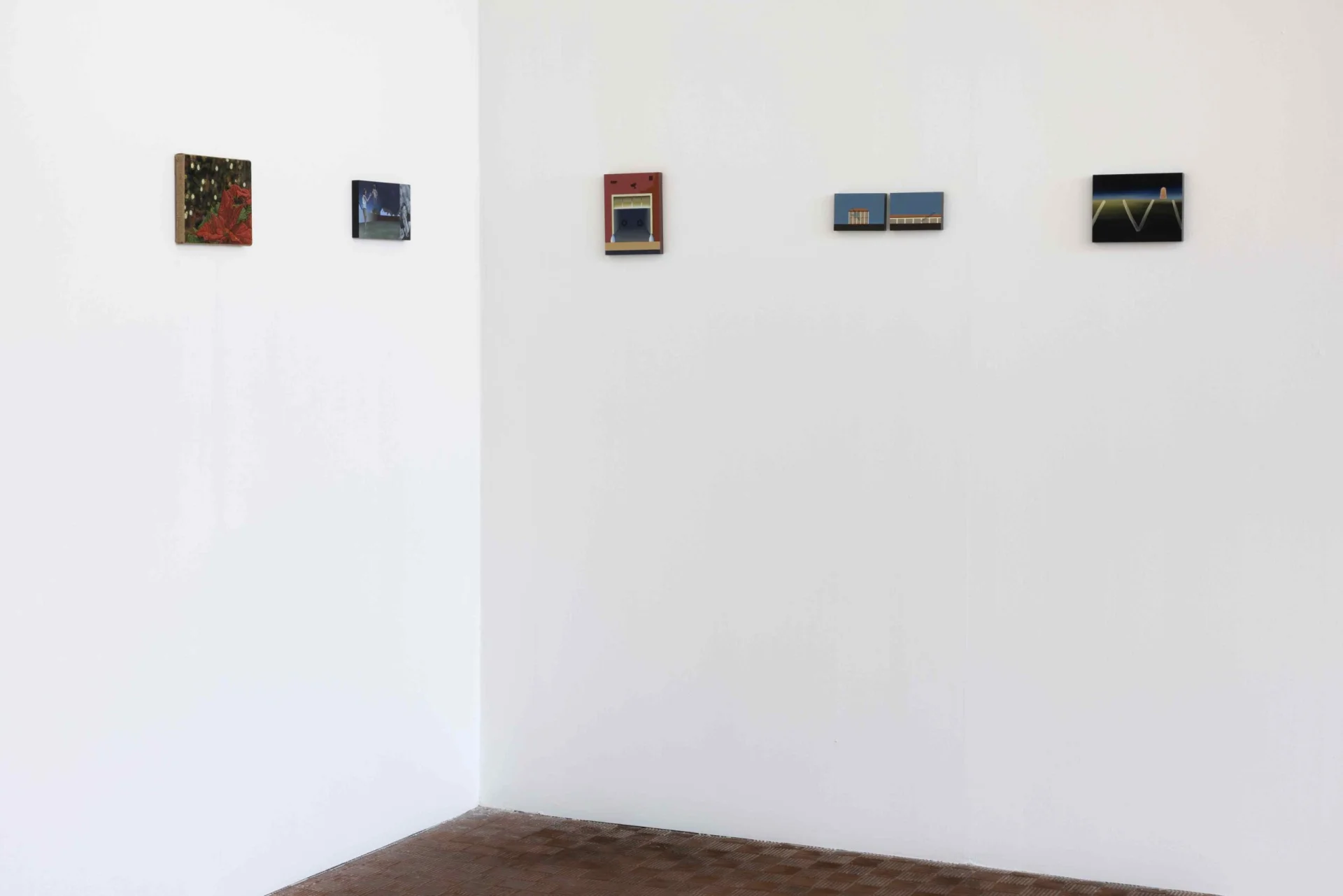
Art doesn’t always have to be grand or monumental to make an impression. Introducing: Tiny Paintings.
Art doesn’t always have to be large and grand to command attention. Introducing: tiny painting.
Tiny is the new Big. At least, that seems to be the current trend in the world of painting: tiny painting. A painting no longer has to dominate an entire wall or room as a centerpiece to draw the viewer’s gaze.
Instead, tiny paintings are gradually gaining popularity for their ability to fit into spaces in a simpler and more efficient way. Their smaller scale avoids creating a stuffy atmosphere, leaving more room to breathe while inviting viewers to take a closer, more detailed look.
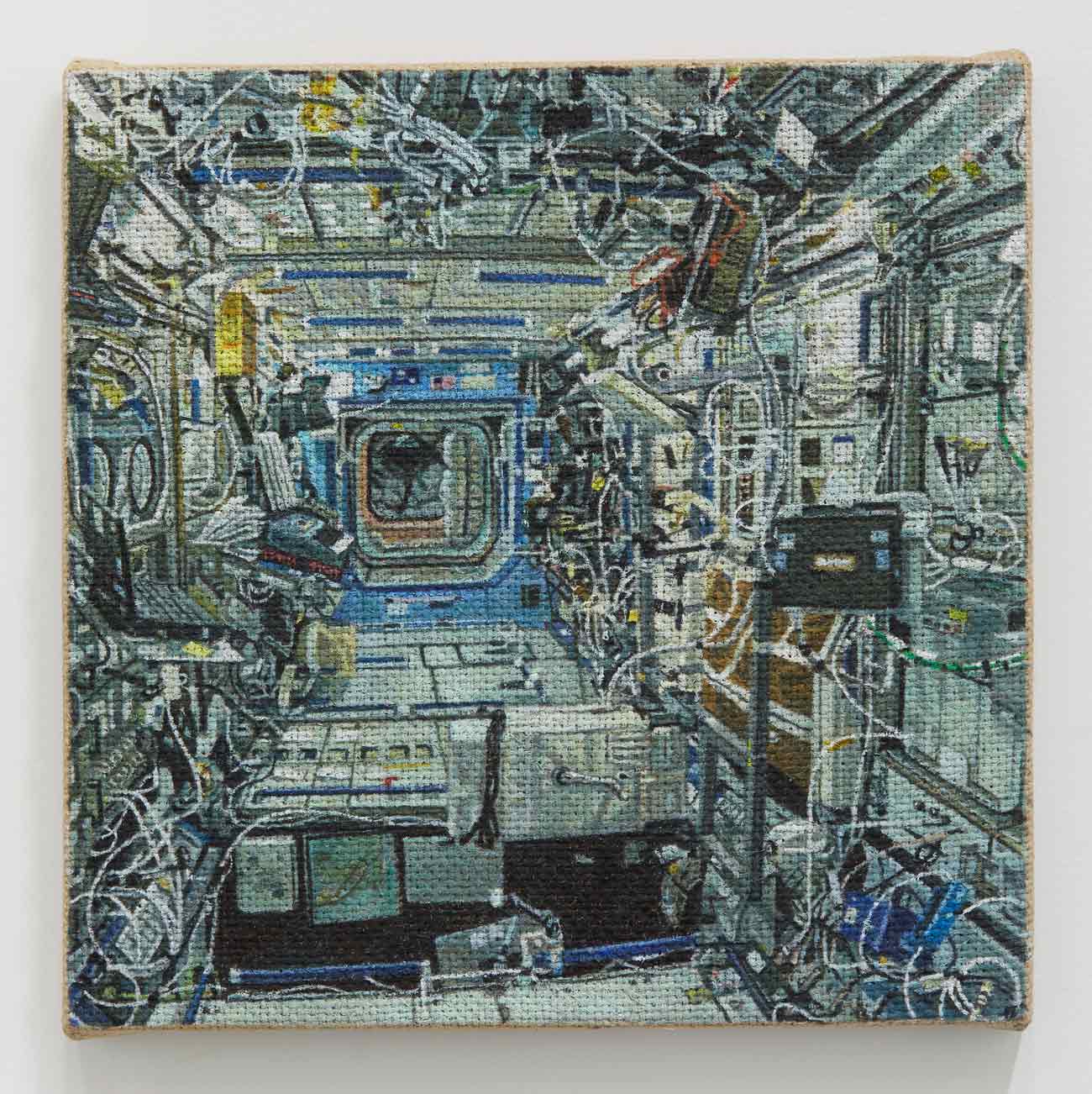 “Space Station”, (2021), karya Jennifer J. Lee
Foto: Klaus von Nichtssagend Gallery
Some practitioners of miniature painting include Brooklyn-based Jennifer J. Lee, who recently held an exhibition titled “Small Fixations”; New York-based Izzy Barber, who focuses on micro-scale air painting; and, perhaps most intriguingly, Istanbul-based Hasan Kale, a specialist in “micro art” who creates remarkably detailed paintings on a variety of tiny surfaces, from bottle caps and match heads to pumpkin seeds and butterfly wings.
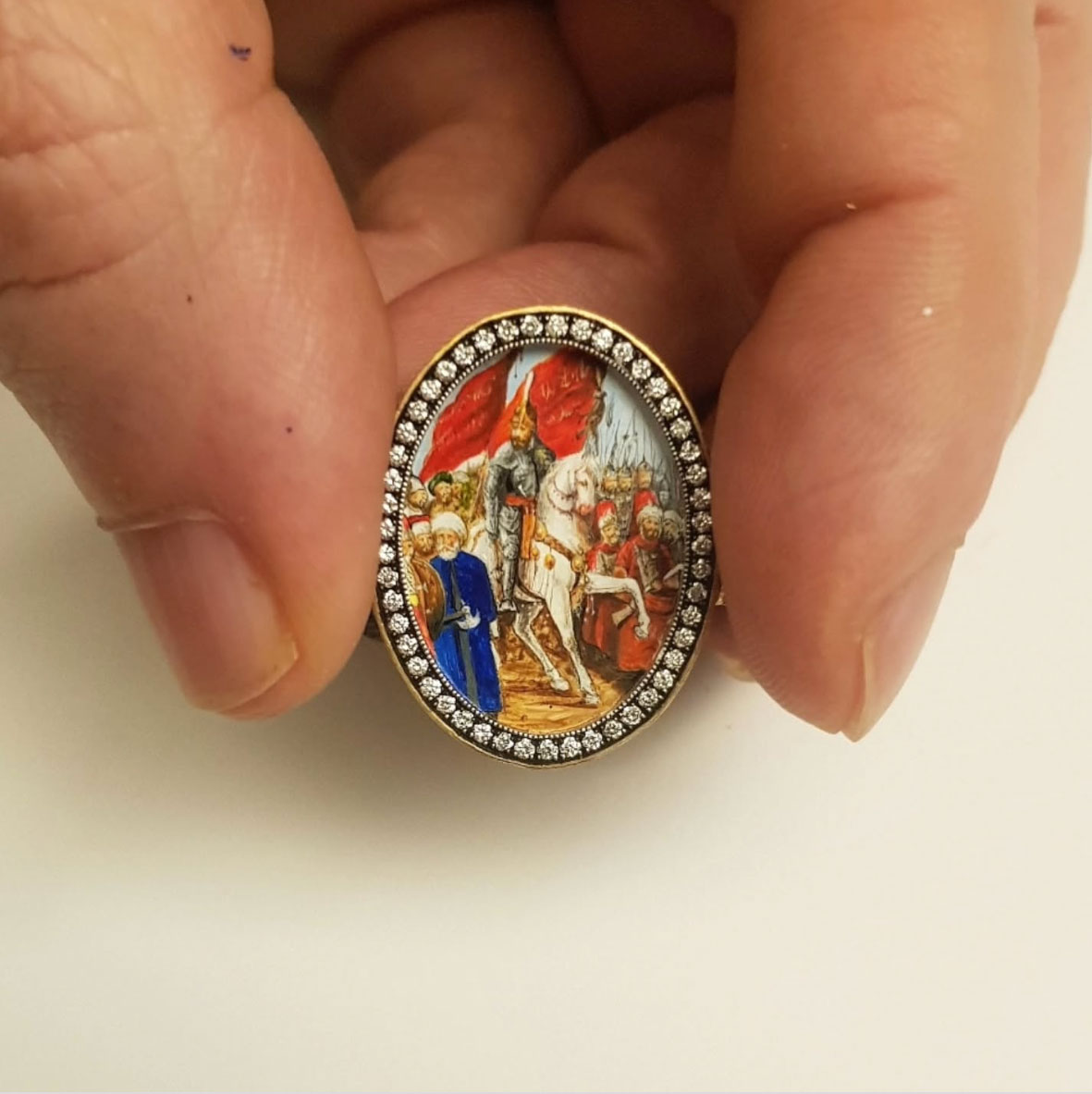 Salah satu karya Hasan Kale
Foto: Instagram @hasankale_microangelo
Hasan Kale, a self-taught artist, says he chose such a niche medium because he wants people to pay attention to the small, everyday objects that tend to go unnoticed, such as grains of rice, needles, cocoons, coffee beans, and many more. “Things we usually see can turn into something invisible,” he says. His dedication to miniature artworks has earned him the nickname “Istanbul’s Microangelo.”
Miniature art is hardly a new phenomenon. Art historical research has revealed that Persia was already known for miniature painting in the 15th and 16th centuries, created on paper, often as part of books. During the period, it was even recognized as a distinct “genre.” Between the 16th and 19th centuries, miniature elements were also adopted as decorative features in manuscripts.
So, why has the tiny painting trend become popular again? Some art observers suggest that the answer may have more to do with economics. The effects of the pandemic drove prices up, including the costs of materials, studio rent, and shipping, and those effects appear to have continued even after the pandemic.
That said, tiny painting, or other miniature artworks, can offer interior designers an innovative twist within a space. The trick lies in playing with composition in a way that introduces an element of surprise while still complementing the overall design concept.
As interior designer Taylor Migliazzo puts it, “There’s no such thing as art that is too small.”