Indonesia’s artistic talent grows through networks of communities, galleries, institutions, and the art market.
If you are a young artist in Indonesia, your practice might begin in a university studio after completing a degree in craft, for example, before gradually moving into alternative spaces, collectives, community exhibitions, and community-based projects. Over time, the goal may shift toward galleries, art fairs, and larger art institutions.
Unfortunately, career trajectories rarely move in a straight line. The same is true for artists, whose talent needs to be supported by a range of overlapping spaces: communities, galleries, curators, institutions, and the art market. Talent management in the visual arts develops through relationships between practices, social networks, and opportunities that are constantly evolving.
The management functions defined by Charles and Steven (2008)—planning, organizing, controlling, leading, and development—are still carried out, but they are not concentrated within a single profession or institution. Instead, these functions are distributed across and collectively performed by multiple actors within the art ecosystem.
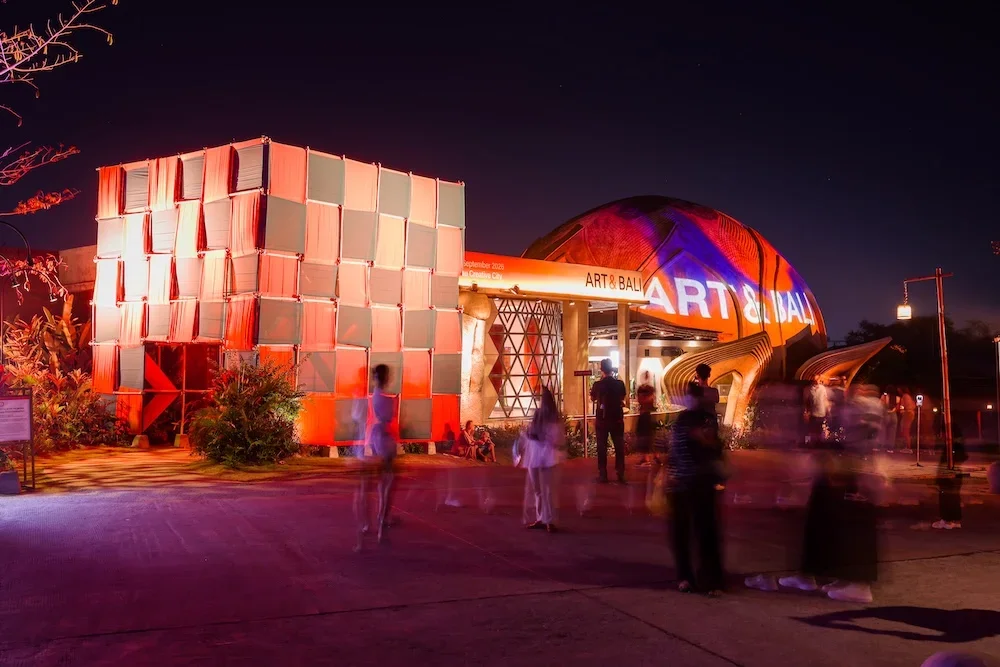
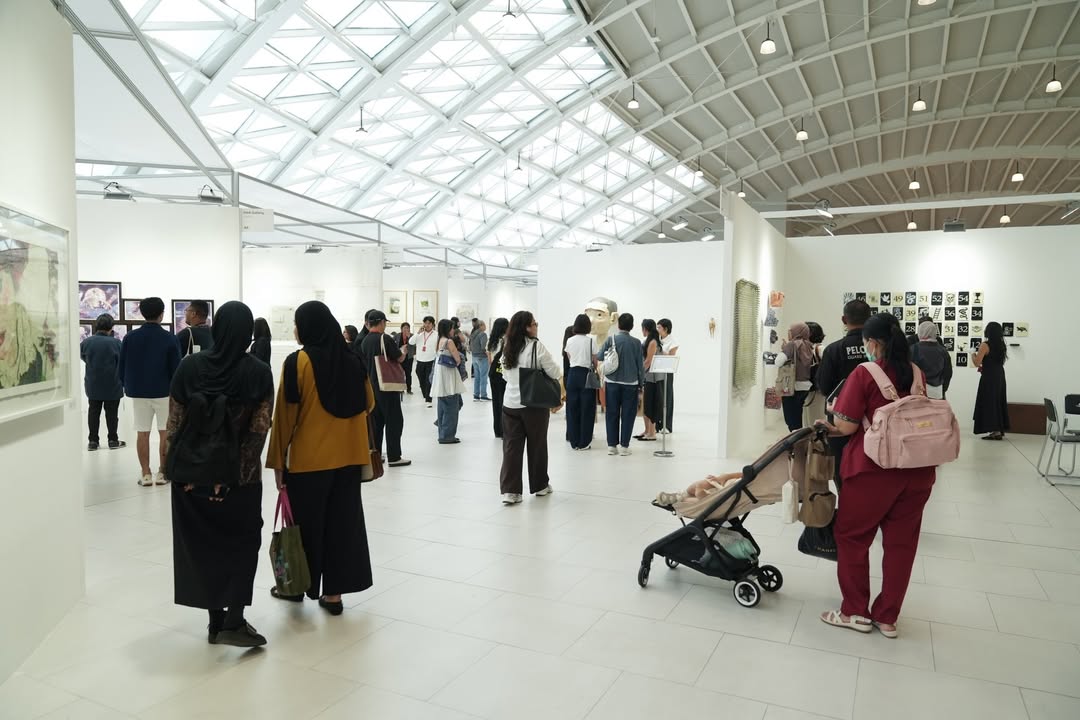 Art Jakarta Papers 2026. Photo: Instagram/artjakarta.
This distributed approach to management is important because artistic talent does not always develop on its own. Curator and academic Mikke Susanto (2004) defines art management as the process of directing various resources to support artistic practice.
This perspective aligns with the thinking of sociologist Pierre Bourdieu, whose work is frequently referenced by curator and ISI Yogyakarta lecturer in Arts Management and Governance, Sudjud Dartanto. Speaking to Written, Sudjud introduced Bourdieu's idea that artists possess cultural capital in the form of ideas, knowledge, artistic approaches, and creative experience accumulated over years of practice.
However, cultural capital does not automatically translate into economic value or social impact. It requires processes of management, mediation, and distribution that allow this cultural capital to be converted into recognition, opportunities, and broader forms of value.
This is where different actors within the visual arts ecosystem take on different roles. Galleries, art fairs, and auction houses are part of the mechanisms that connect artistic practices with the market. They help position artists, build relationships with collectors, expand the visibility of their work, and create opportunities for transactions. Through these processes, an artist's cultural capital can be converted into economic capital.
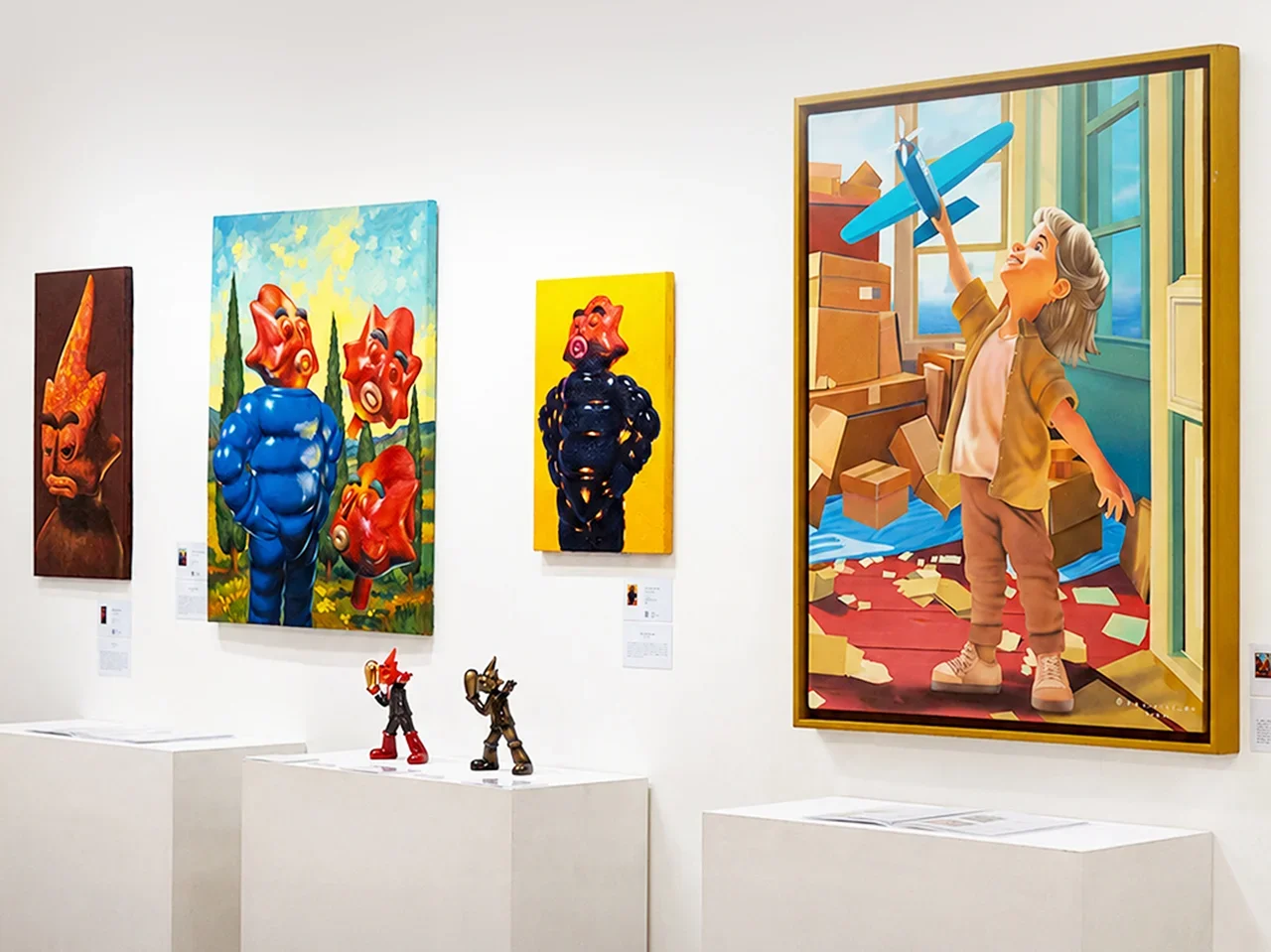
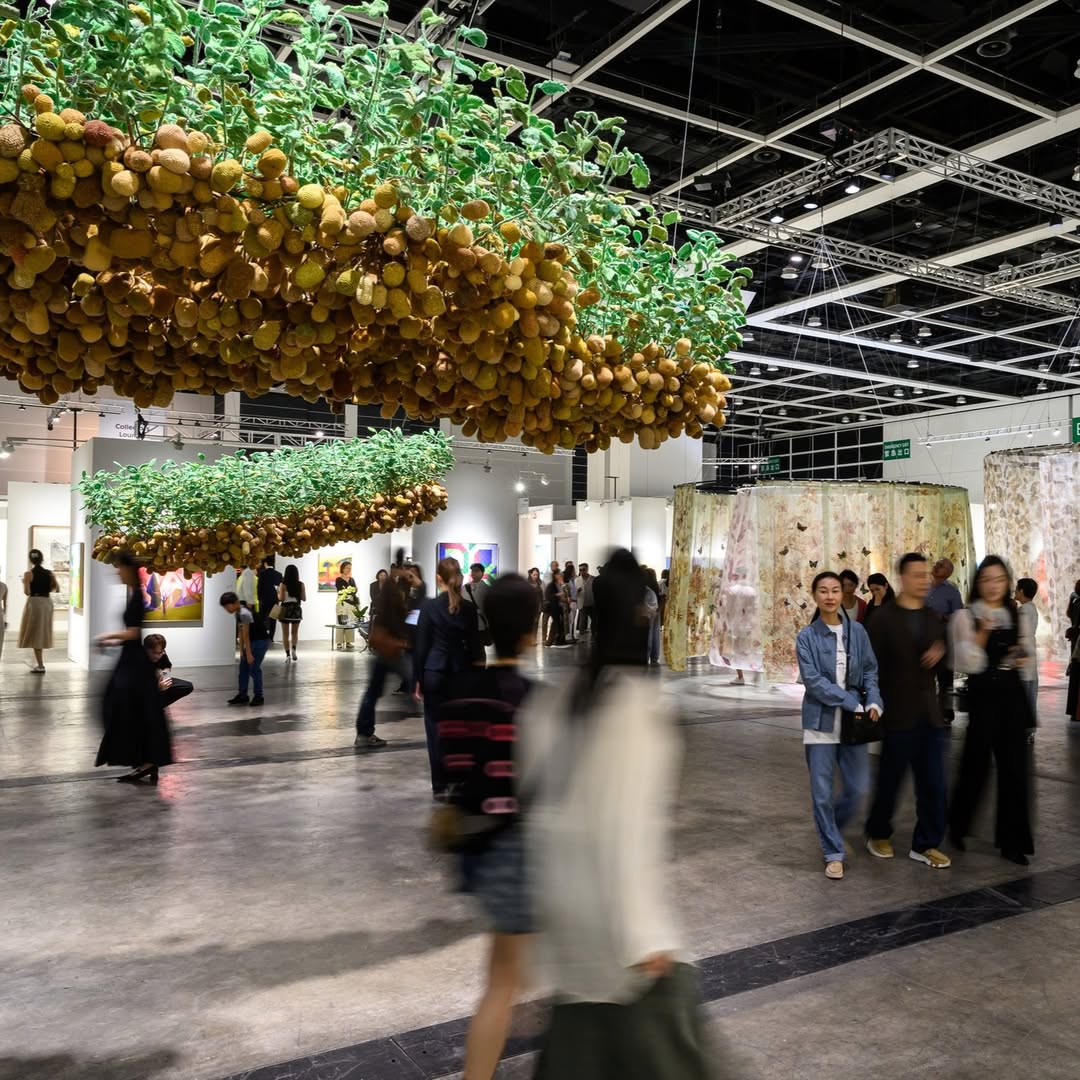 Art Basel Hong Kong. Photo: Instagram/artbasel.
Yet the conversion of cultural capital does not always lead toward the market. In many cases, artistic ideas and practices find their relevance through broader social relationships. This is where collectives and art communities become particularly important.
Groups such as Forum Lenteng, MES 56, and Ruangrupa not only build networks among practitioners, but also actively engage with social issues, local communities, education, and various forms of collaborative practice. Their role extends beyond supporting the production of artworks; they also help translate often abstract artistic visions into practices that can be understood, experienced, and carried out collectively with communities.
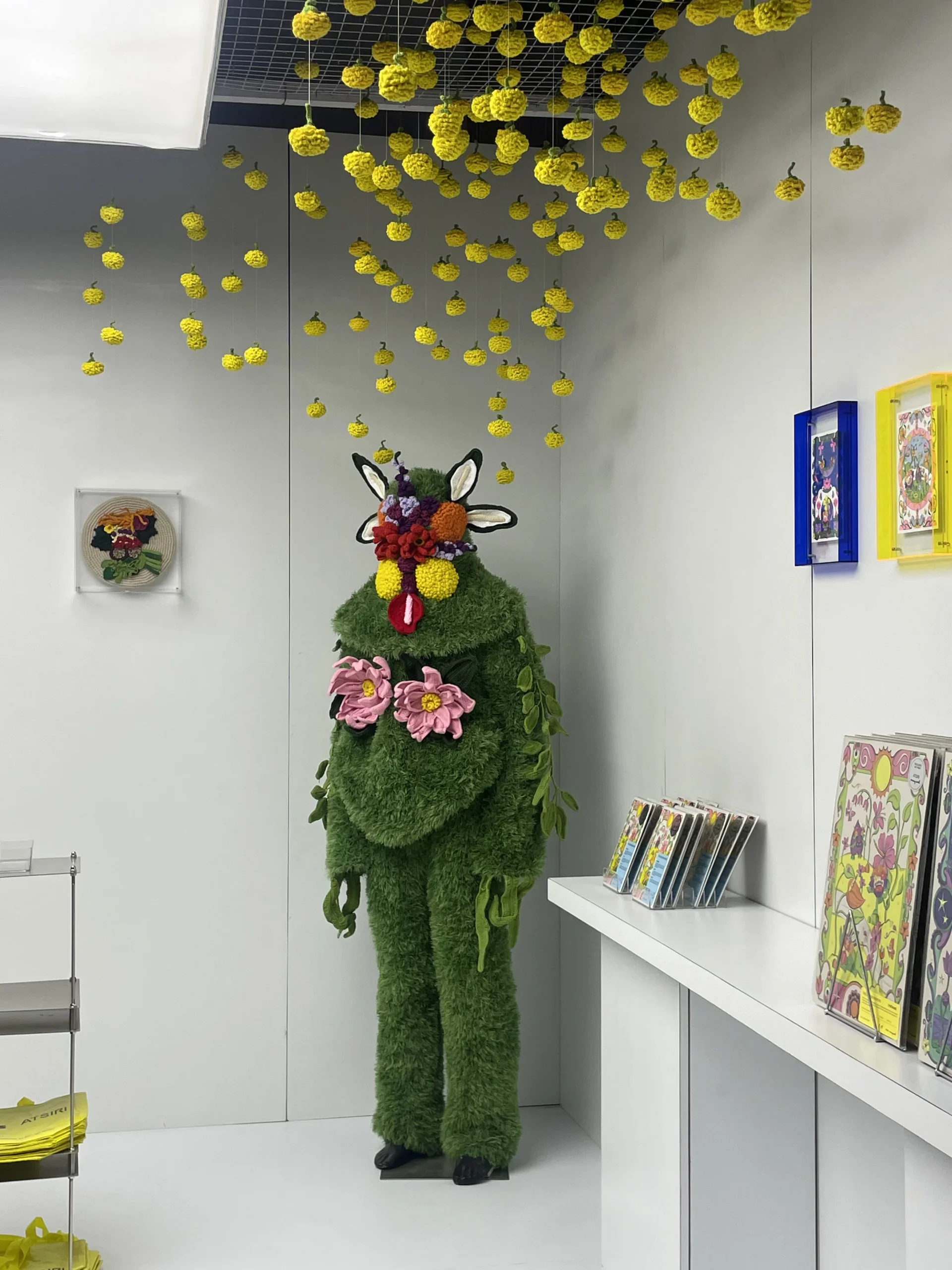
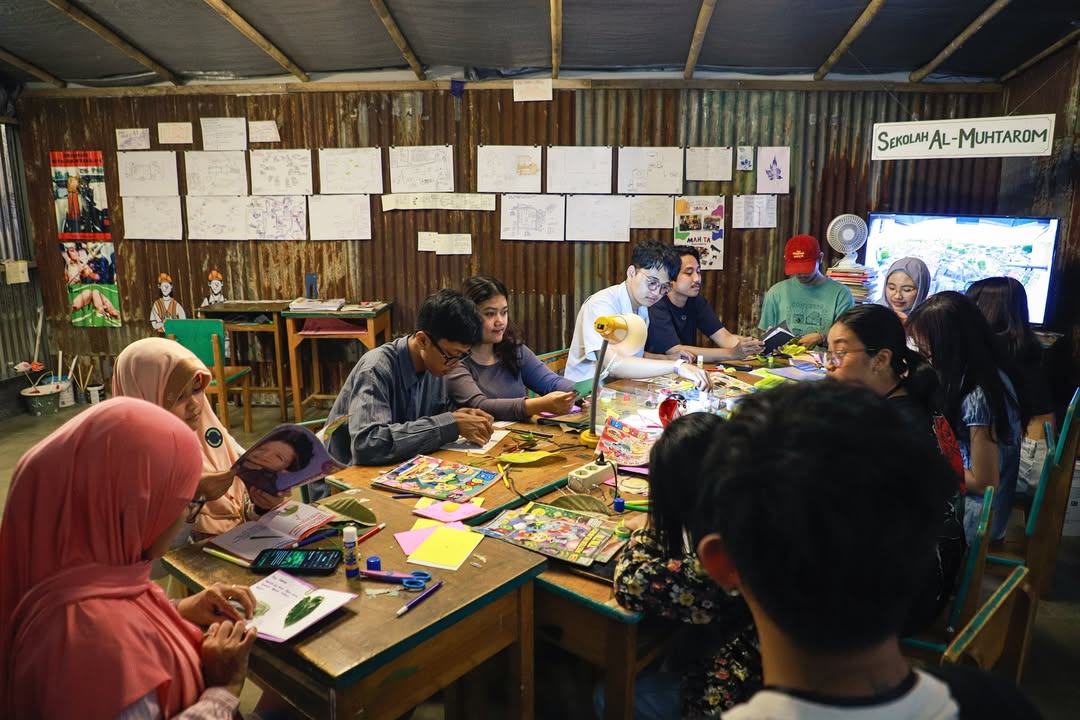 Perguruan Taman Ruru, presented by Ruangrupa for ARTJOG 2025. Photo: Instagram/ARTJOG.
Within Bourdieu's framework, this process can be understood as the conversion of cultural capital into social capital. The value of an artistic practice is no longer measured solely through economic transactions, but also through its ability to build relationships, trust, participation, and broader social networks. In other words, talent management in the visual arts is not simply about helping artists sell their work, but also about ensuring that the ideas they produce can find a place to live within society.
Although various talent-management functions are already carried out by galleries, communities, curators, and art institutions, Sudjud Dartanto sees one layer of the ecosystem that has yet to fully develop in Indonesia: professional associations.
Unlike in some countries where professional organizations for artists have established membership structures, capacity-building programs, and clear advocacy mechanisms, professional associations in Indonesia's visual arts sector have yet to play a significant role in the everyday lives of practitioners.
Yet professional associations could fill functions that are difficult for other actors to provide. They can collectively safeguard professional interests through the development of practice standards, policy advocacy, capacity building, and the protection of arts workers' rights.
Different Models of Arts Talent Management
Interestingly, arts management practices also take on distinct characteristics from one city to another. In Yogyakarta, for example, ecosystem-based arts management has developed largely through communities and a strong culture of collectivity. Alternative spaces serve as places for sharing knowledge, experimentation, and encounters among artists.
Meanwhile, Bandung has been strongly influenced by conceptual and intellectual approaches to art practice. Discourse, research, and theoretical inquiry often play an important role in the development of artistic work.
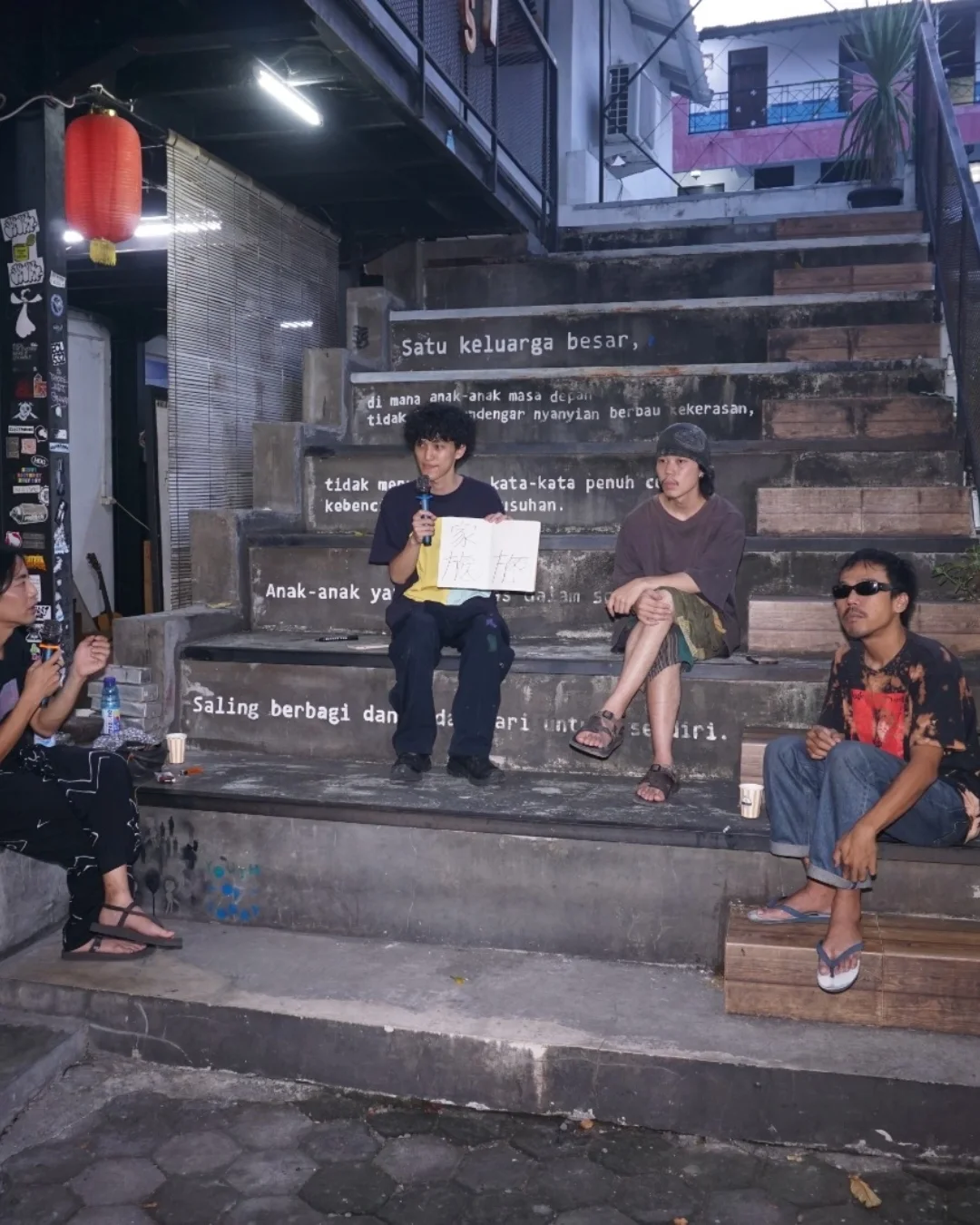 One of the activities at MES 56. Photo: Instagram/ruangmes56.
Jakarta, by contrast, has a closer relationship with the art market. The presence of galleries, collectors, art fairs, and auction houses has shaped an ecosystem that is more oriented toward professional career development and the distribution of artworks. These differences do not replace one another; instead, they form three distinct mechanisms for managing and developing artistic talent in Indonesia.
The State's Attempt to Map the Talent Ecosystem
This multi-layered model of development also appears to be gaining attention from the state. Through the National Talent Management (MTN) for Arts and Culture program, Indonesia's Ministry of Culture has begun developing a more structured, inclusive, and data-driven system for managing artistic talent. The program forms part of the broader National Talent Management framework developed with Bappenas, covering visual arts, music, film, performing arts, and literature.
MTN's approach does not focus solely on technical development. It also seeks to establish a development pathway from the early stages through to professional opportunities: from talent mapping, training, residencies, and workshops to exhibitions and encounters with industry and the art market. In practice, the program also involves festivals, communities, art spaces, and international networks.
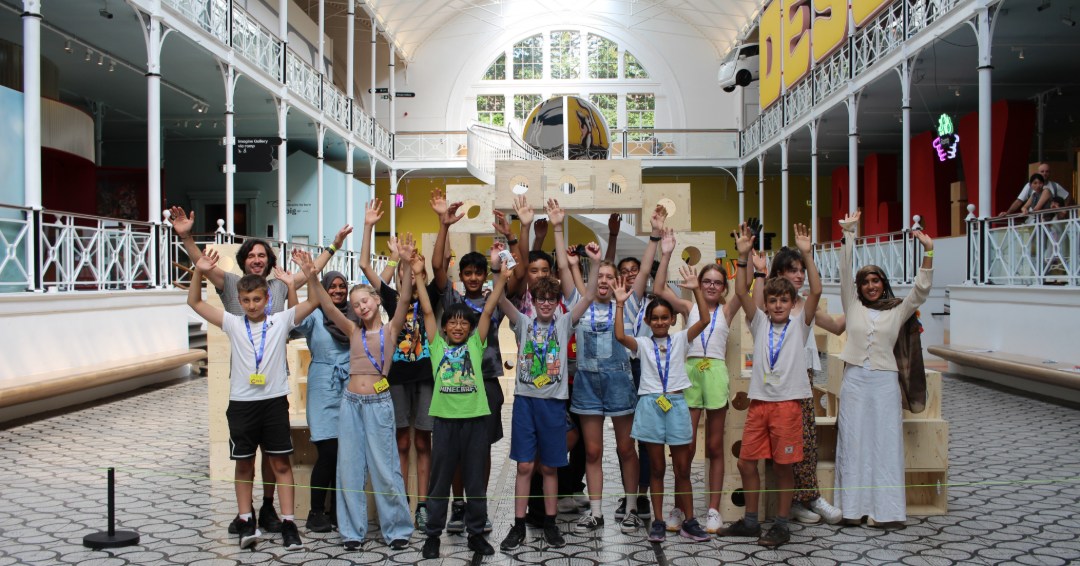
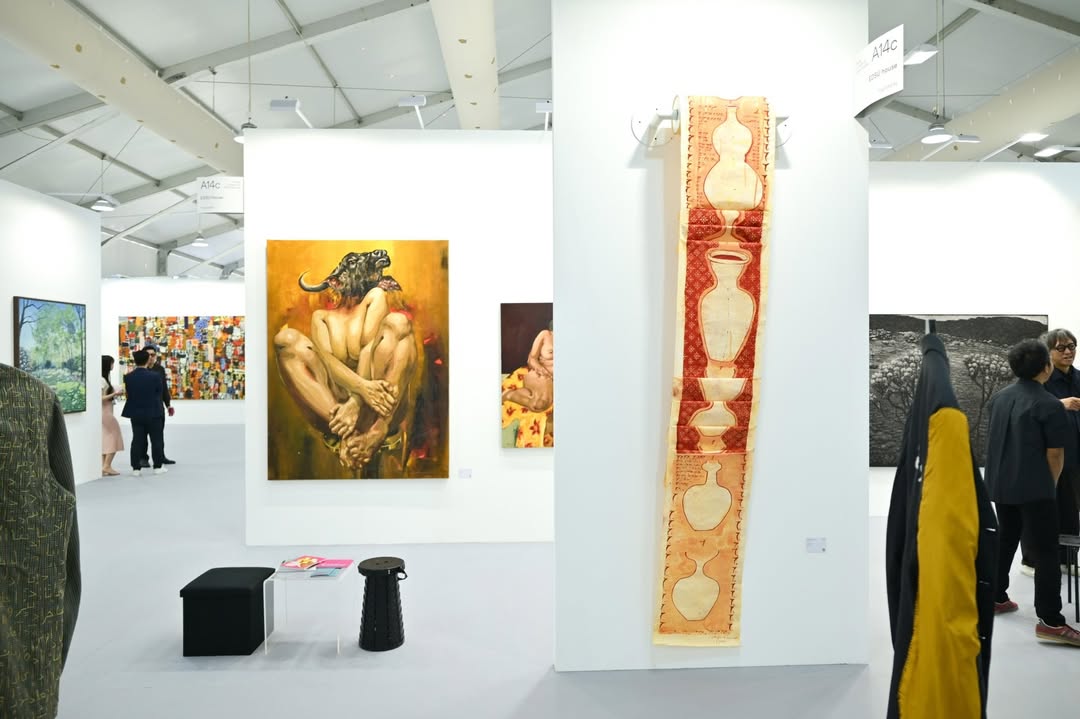 EDSU House at Art Central Hong Kong, as part of the National Talent Management program. Photo: Instagram/edsu_house.
The program signals an effort to build national infrastructure for artistic talent. Yet a more structured approach also raises a new question: can talent management be developed without diminishing the organic character that has shaped the growth of Indonesia's visual arts ecosystem?
Perhaps this is why an artist's journey in Indonesia rarely follows a straight line. It grows through small encounters: discussion spaces, shared studios, alternative exhibitions, communities, and opportunities to connect with wider audiences. Ultimately, artistic talent is shaped not only by the work itself, but also by the environments that allow artists to experiment, fail, grow, and begin again.
Source:
Hill, Charles W. L., & McShane, Steven L. (2008). Principles of Management. New York: McGraw-Hill/Irwin.
Susanto, Mikke. (2004). Menimbang Ruang Menata Rupa: Wajah dan Tata Kelola Seni Rupa Indonesia. Yogyakarta: Galang Press.