Joining a gallery is often seen as an important milestone in an artist’s career. But behind it lies a complex selection process. To understand what gallerists are really looking for, Written spoke with representatives from Galeri Ruang Dini and ISA Art Gallery.
Entering a gallery is often considered an important milestone in an artist’s career. But behind that opportunity lies a selection process that is far more complex than simply finding “one good work and putting it on display.” To understand what gallerists are actually looking for in an artist, Written spoke with representatives from two art galleries, Galeri Ruang Dini and ISA Art Gallery.
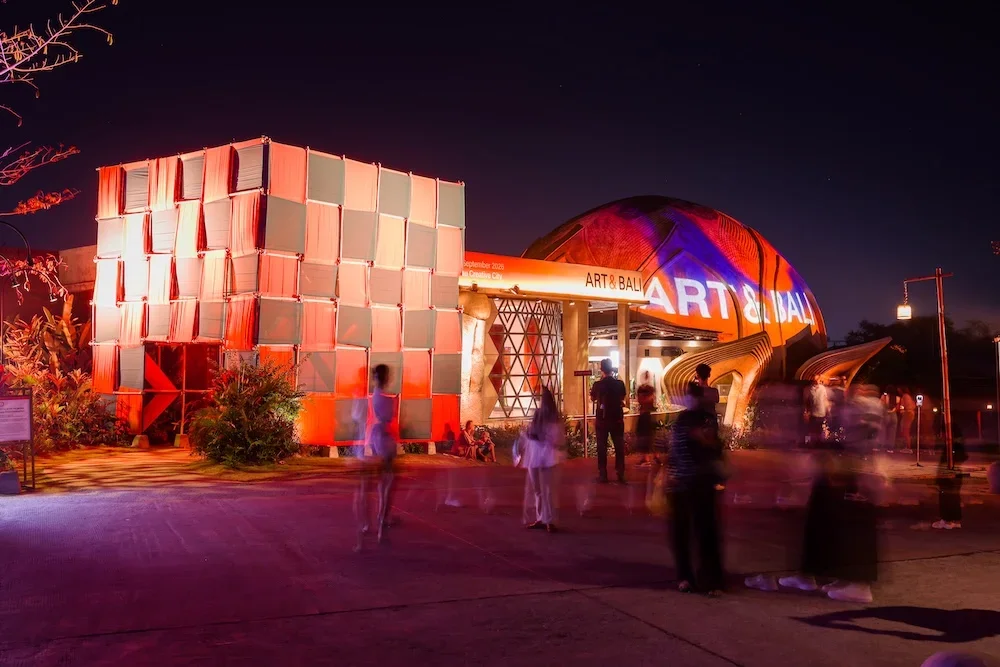
When scouting for artists, both galleries conduct observation and research through exhibition visits, recommendations from colleagues, and direct conversations with artists. It is also not uncommon for artists to go through several collaborative projects before a gallery decides to represent them. So, what exactly do galleries look for during this observation process?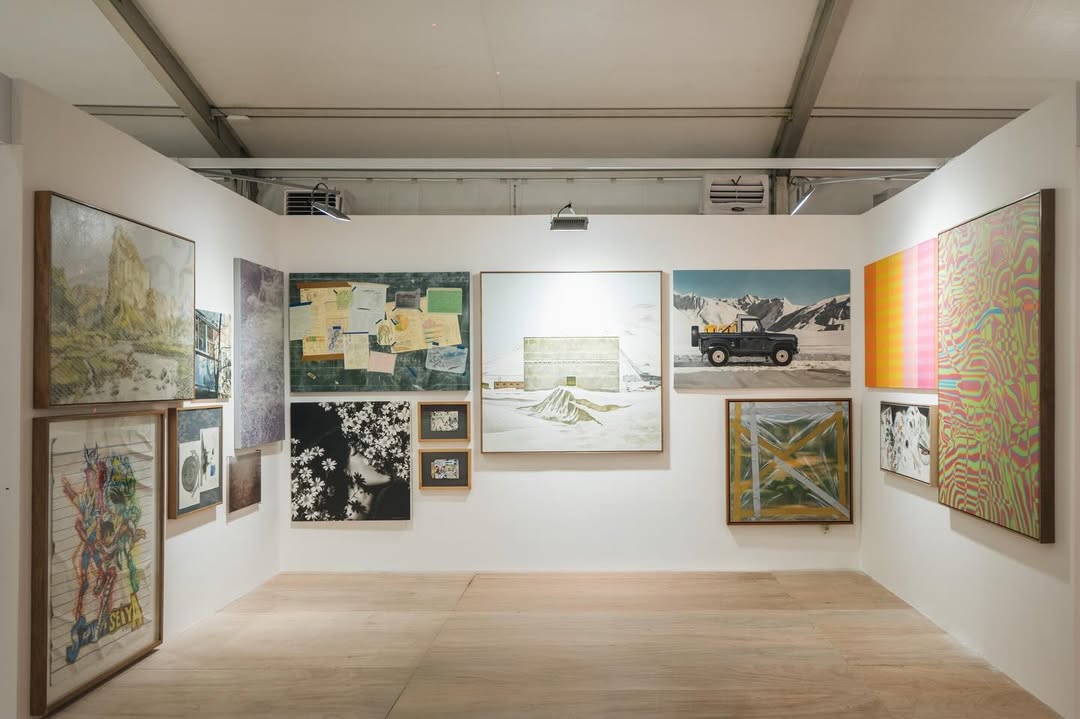 Galeri Ruang Dini at Art Jakarta Gardens 2026. Photo: Instagram/@galeriruangdini
It’s Not About One Good Work, but a Consistent Practice
The first thing consistently emphasized by gallerists is consistency in an artist’s practice. According to Andy Dewantoro, Gallery Director of Ruang Dini, talent is merely the starting point. What matters more is how an artist maintains discipline and direction in their practice. “A gallery doesn’t create an artist’s identity from scratch, but rather sharpens and directs the potential that is already there,” Andy explains.
For this reason, gallerists tend to look for artists who already have a subject matter or issues they genuinely explore in depth. A practice that develops consistently is far more important than a single work that goes viral.
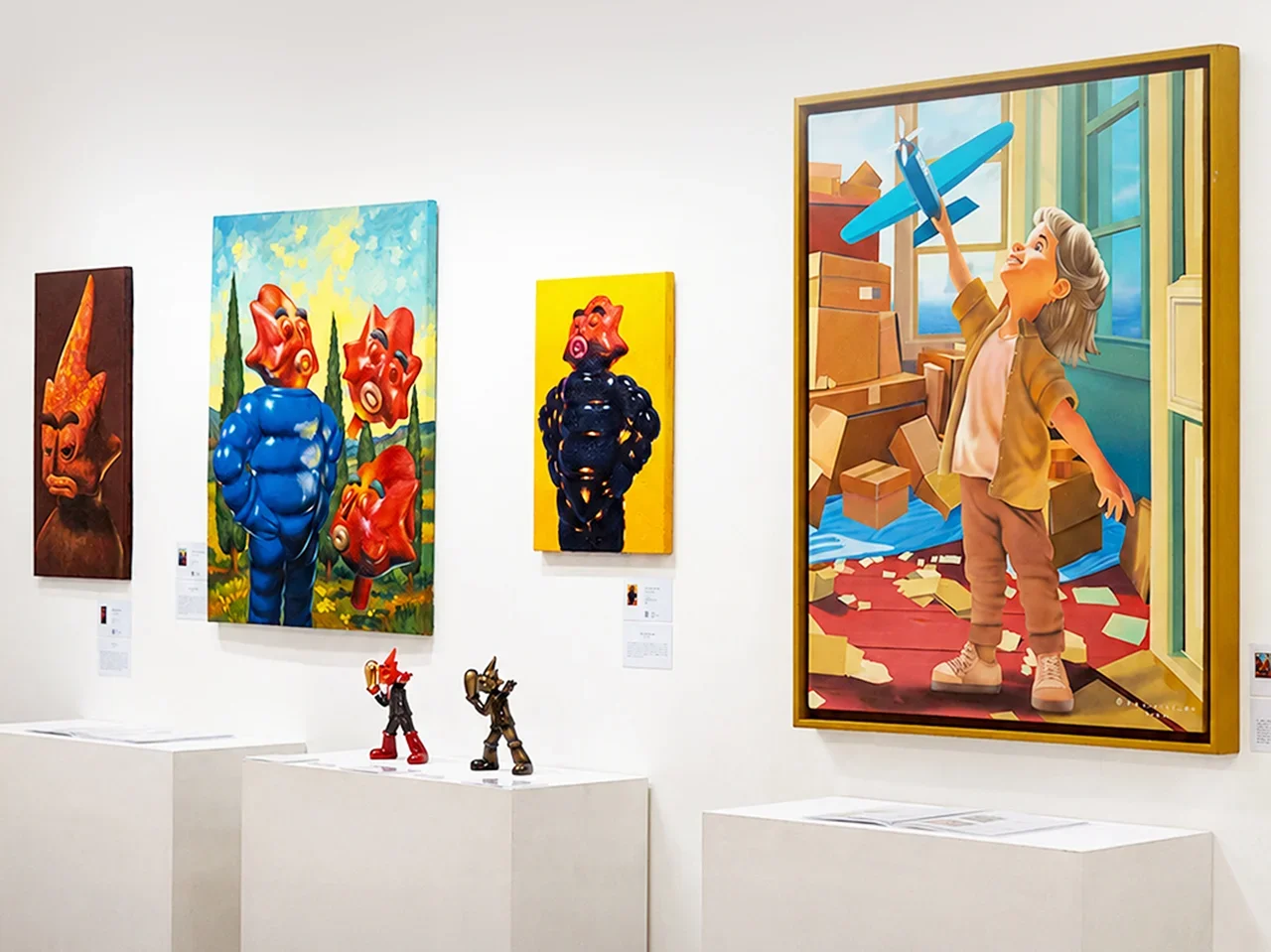
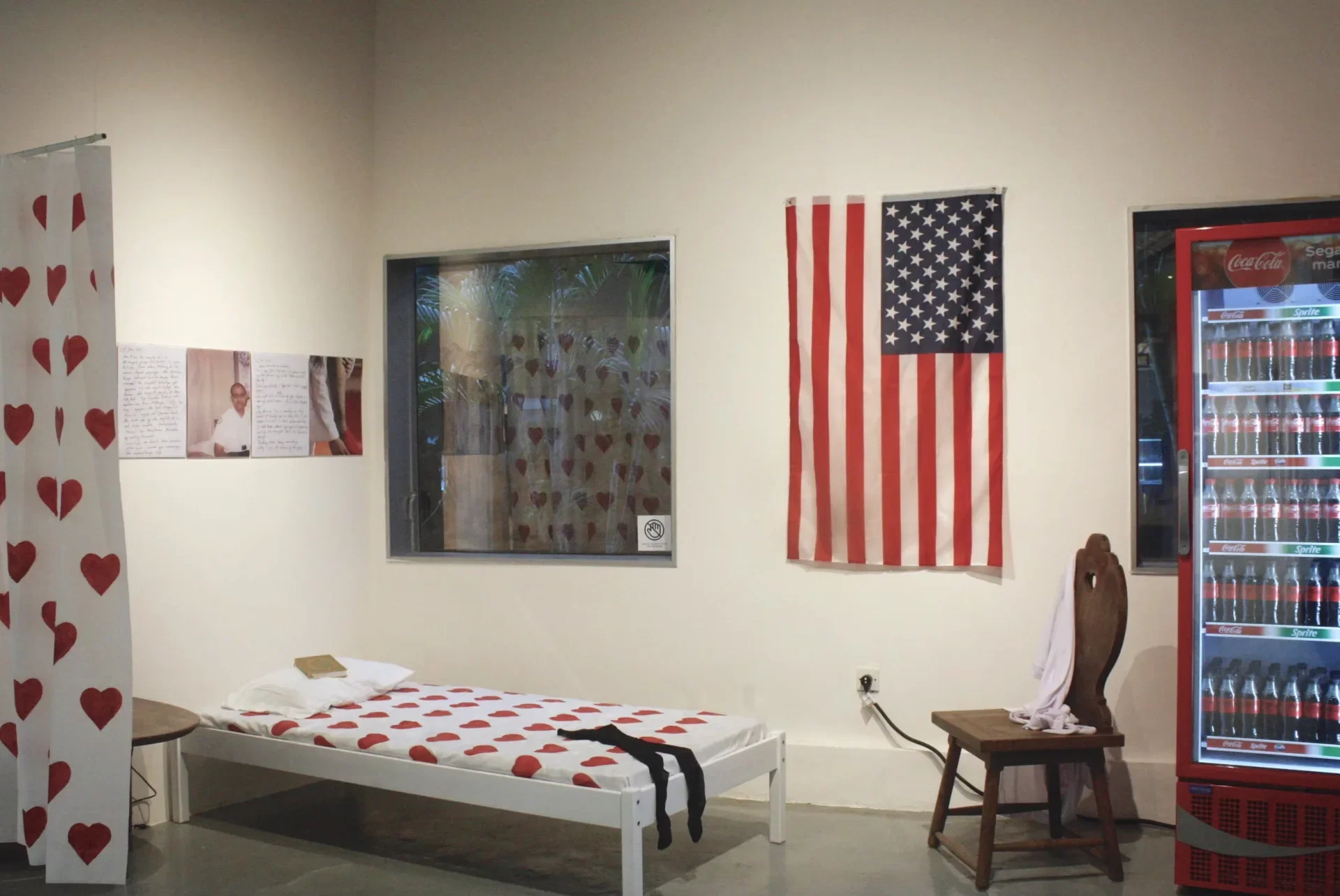 Arahmaiani Retrospective Solo Show at ISA Art Gallery. Photo: Miranti Dian.
A similar perspective is shared by Miranti Dian, Exhibition Manager at ISA Art Gallery. She believes that emerging artists need to focus on building a strong body of work while developing a clear artistic direction. “With a strong practice and body of work, as well as a clear artistic direction, it becomes easier for a gallery to understand an artist’s potential and position,” says Miranti. At this point, galleries are not only looking at the final result, but also at how an artist’s practice evolves over time.
Professionalism Matters to an Artist’s Practice
Beyond the work itself, the way an artist works is also a key consideration. The relationship between a gallery and an artist is essentially a long-term partnership, making professionalism an important indicator of an artist’s readiness.
Both Galeri Ruang Dini and ISA Art Gallery agree that communication, the ability to meet deadlines, and an artist’s attitude toward their work are all part of building mutual trust.
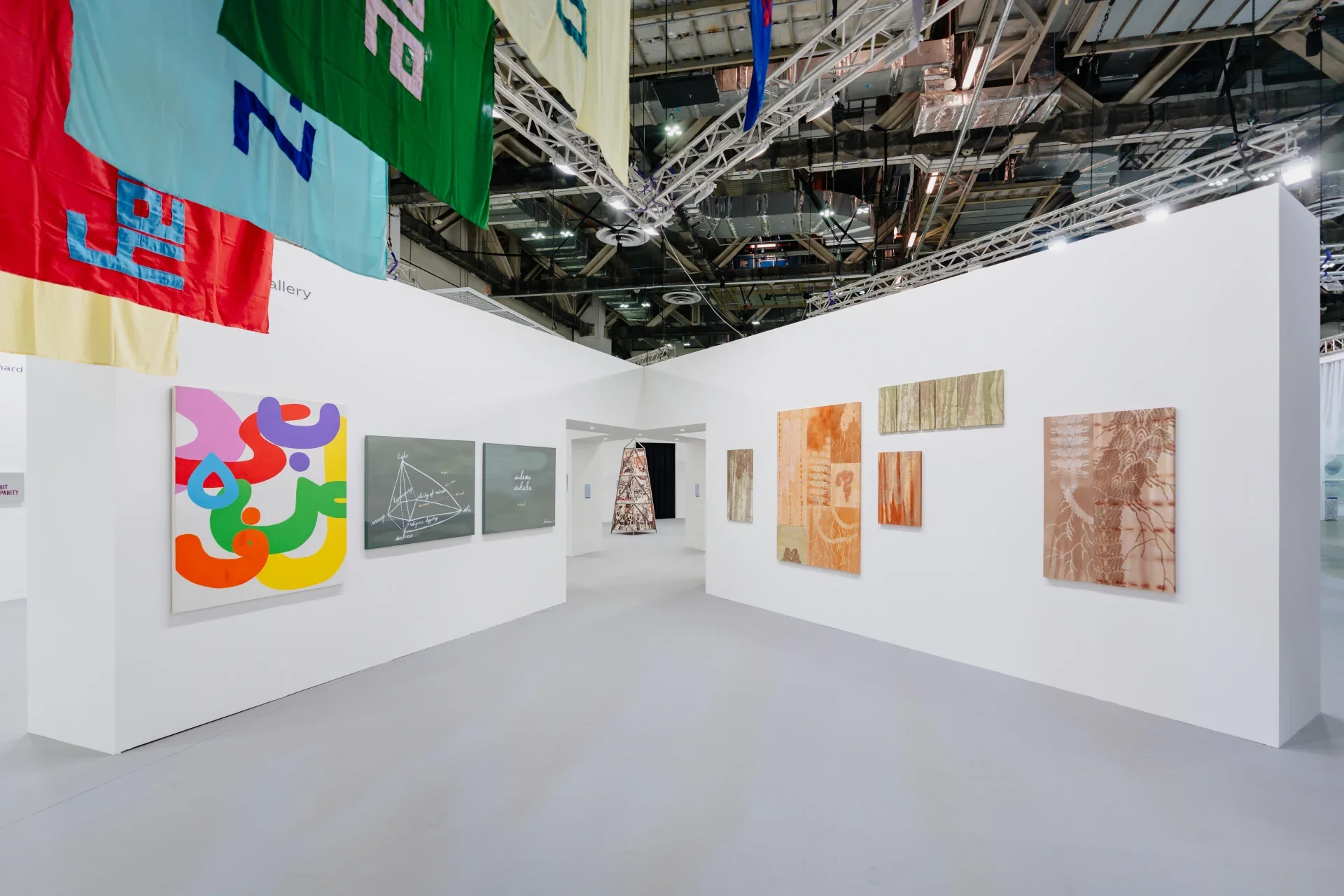 Installation works by Arahmaiani and Ines Katamso for ISA Art Gallery at ART SG – SEA Focus. Photo: Miranti Dian.
Miranti Dian explains, “For me personally, an artist who has a strong practice and can work well with others is ideal. Representation is a long-term partnership, so there needs to be mutual understanding, responsiveness, and a shared commitment.”
Meanwhile, Galeri Ruang Dini sees professionalism as part of an artist’s maturity. Stability and long-term commitment are important in building a credible narrative and positioning. Ultimately, a gallery is not simply choosing works to exhibit, but becoming a partner in an artist’s growth.
A Clear Perspective and Voice
Every gallery has its own vision and approach. For this reason, a shared perspective between an artist and a gallery becomes an important factor in the representation process. ISA Art Gallery sees art as a medium for storytelling, in which each artist has a distinctive visual language.
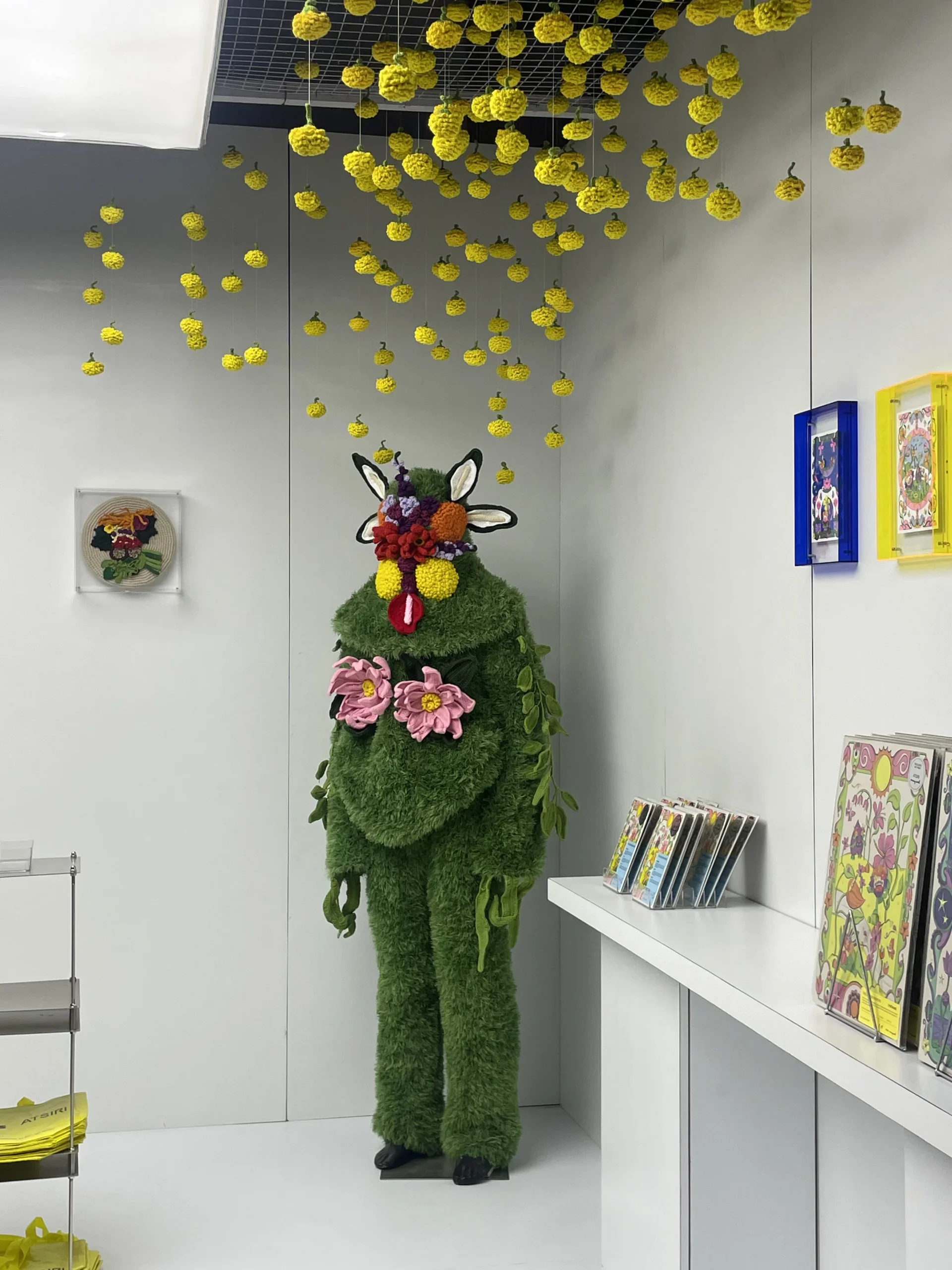
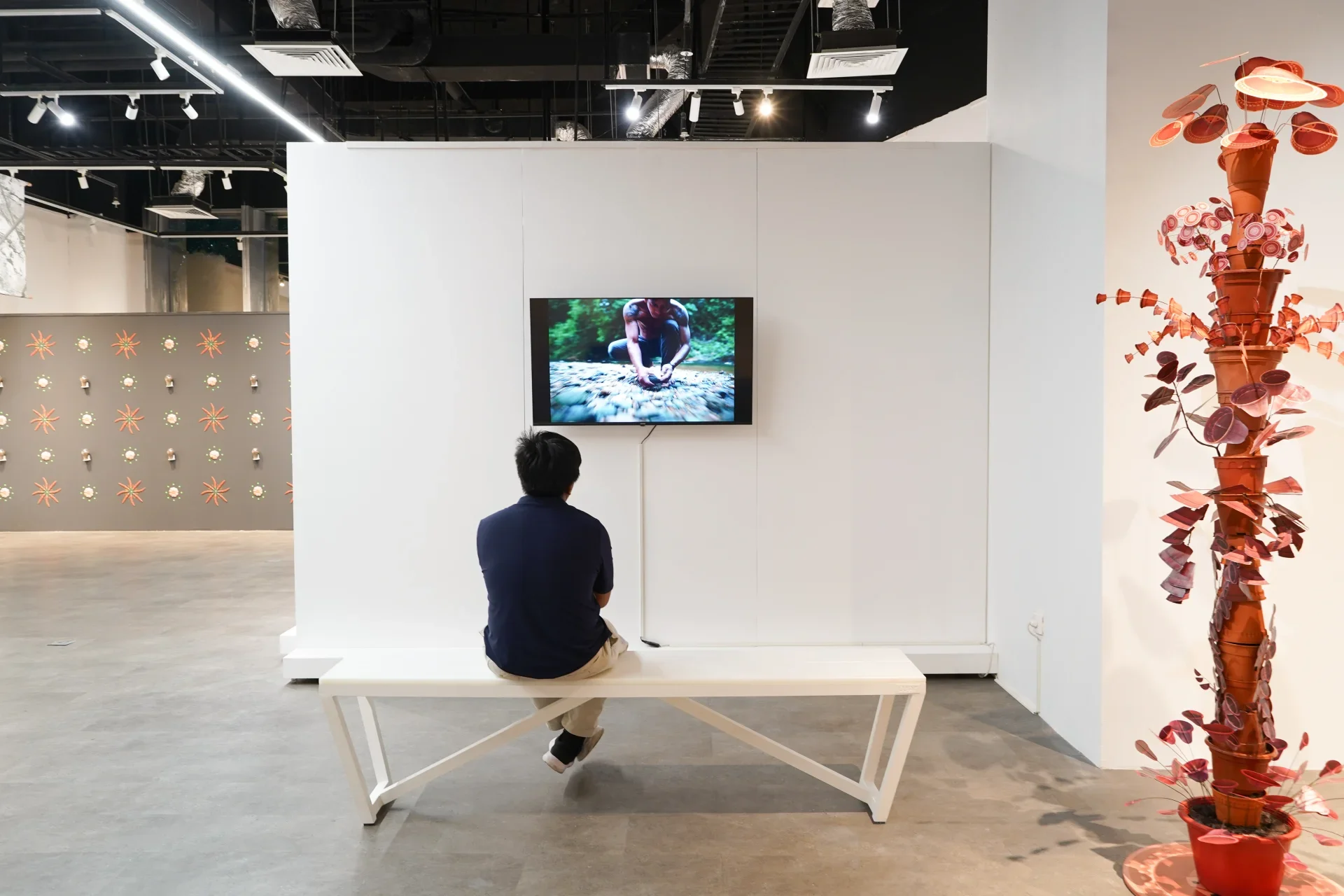 “Biophillia” exhibition by Kynan Tegar at ISA Art Gallery. Photo: Miranti Dian.
Galeri Ruang Dini, meanwhile, places greater emphasis on originality of perspective. “Uniqueness emerges when an artist can translate reality through a specific and personal point of view,” says Andy. This is where having a clear voice and identity becomes important for an emerging artist. It is not simply about being visually different, but about having a consistent perspective that can continue to evolve.
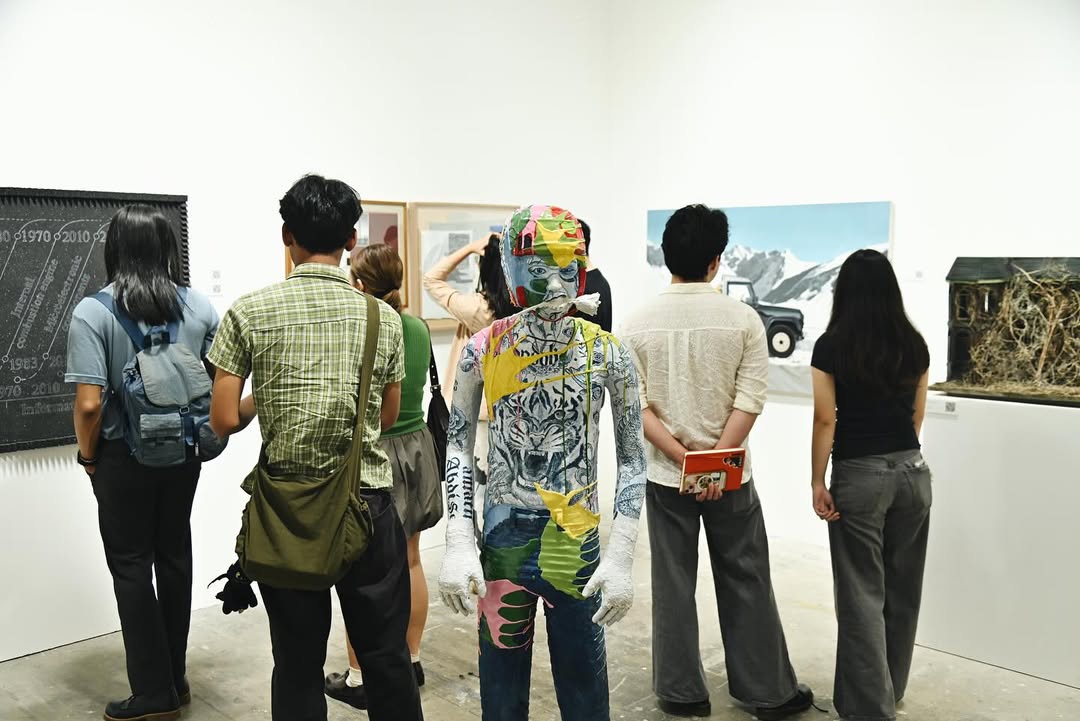
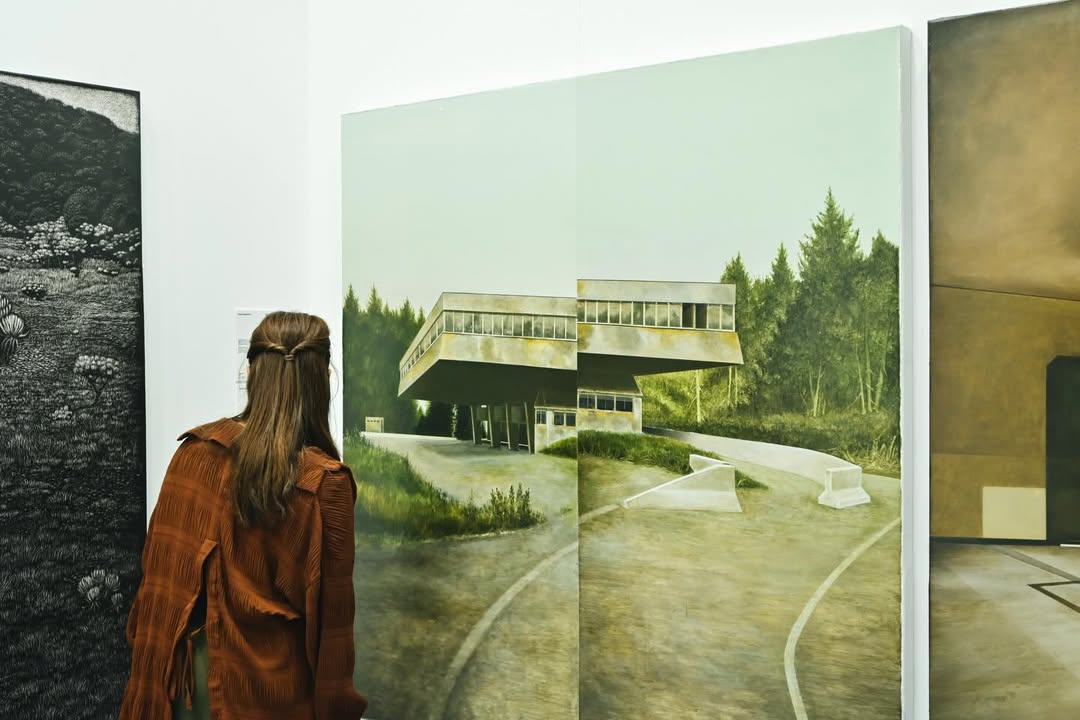 Galeri Ruang Dini at Art Central Hong Kong 2026. Source: Galeri Ruang Dini
Building the Market Together
Interestingly, neither gallery considers the market the starting point when selecting artists. Rather than simply following the market, they believe that a market can be built together through a strong practice and the right positioning.
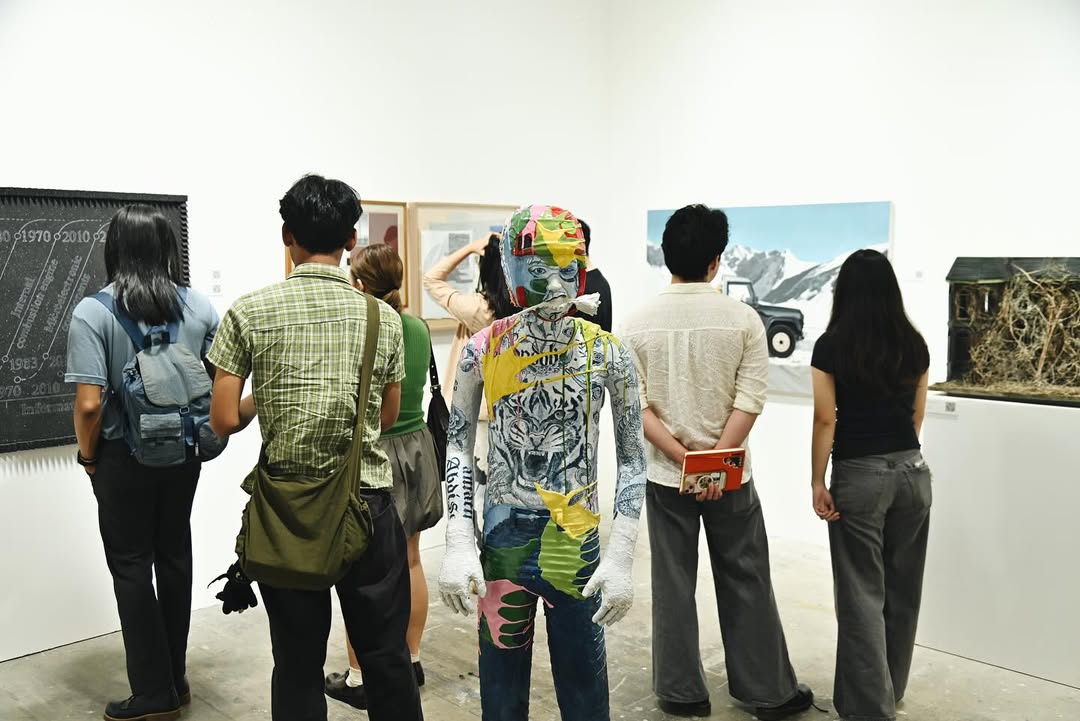 Galeri Ruang Dini at Art Jakarta 2025. Photo: Instagram/@galeriruangdini
Consistent promotion, the development of an artist’s narrative, and exposure built by the gallery are believed to help cultivate an audience and collector base over time. At this point, the symbiotic relationship between gallery and artist becomes essential. The gallery helps build exposure and context, while the artist maintains the quality and consistency of their practice. When both can move forward together, the market will follow naturally.
So, What Can Emerging Artists Do?
The common thread from Written’s conversations with representatives of both galleries is clear: galleries are not looking for “perfect” artists, but for those with a sense of direction and the readiness to grow over the long term. The main focus should not be on chasing exhibitions or representation, but on building a practice that is genuinely strong and sustainable.
Start by finding a subject matter that is closely connected to your own practice, maintaining consistency, and developing discipline. At the same time, it is important for artists to build relationships organically—visit exhibitions, attend discussions, and create opportunities for conversations within the art ecosystem.