Kintsugi is more than just the art of repairing ceramics, it is a way of seeing life that embraces every crack as a source of strength.
Before getting into this Japanese technique, Written would like to share a little story. Throughout life, feelings of imperfection often surface. There are times when reality does not match our expectations, when we fail, face rejection, or have to let go of something we deeply wanted. But in truth, imperfection is part of the process. It is from these moments that a strength we often do not realize we have begins to grow.
These values are reflected in kintsugi, the traditional Japanese art of repairing ceramics, which sees damage not as an ending, but as the beginning of a new form of beauty. In practice, broken ceramics are not thrown away or patched up to make them look as they did before. Instead, the cracks are put back together using gold powder, left visible, and even made the focal point. For kintsugi artisans, every fracture holds a story. It is not a flaw that needs to be erased, but a trace of the journey that makes an object more valuable and meaningful.
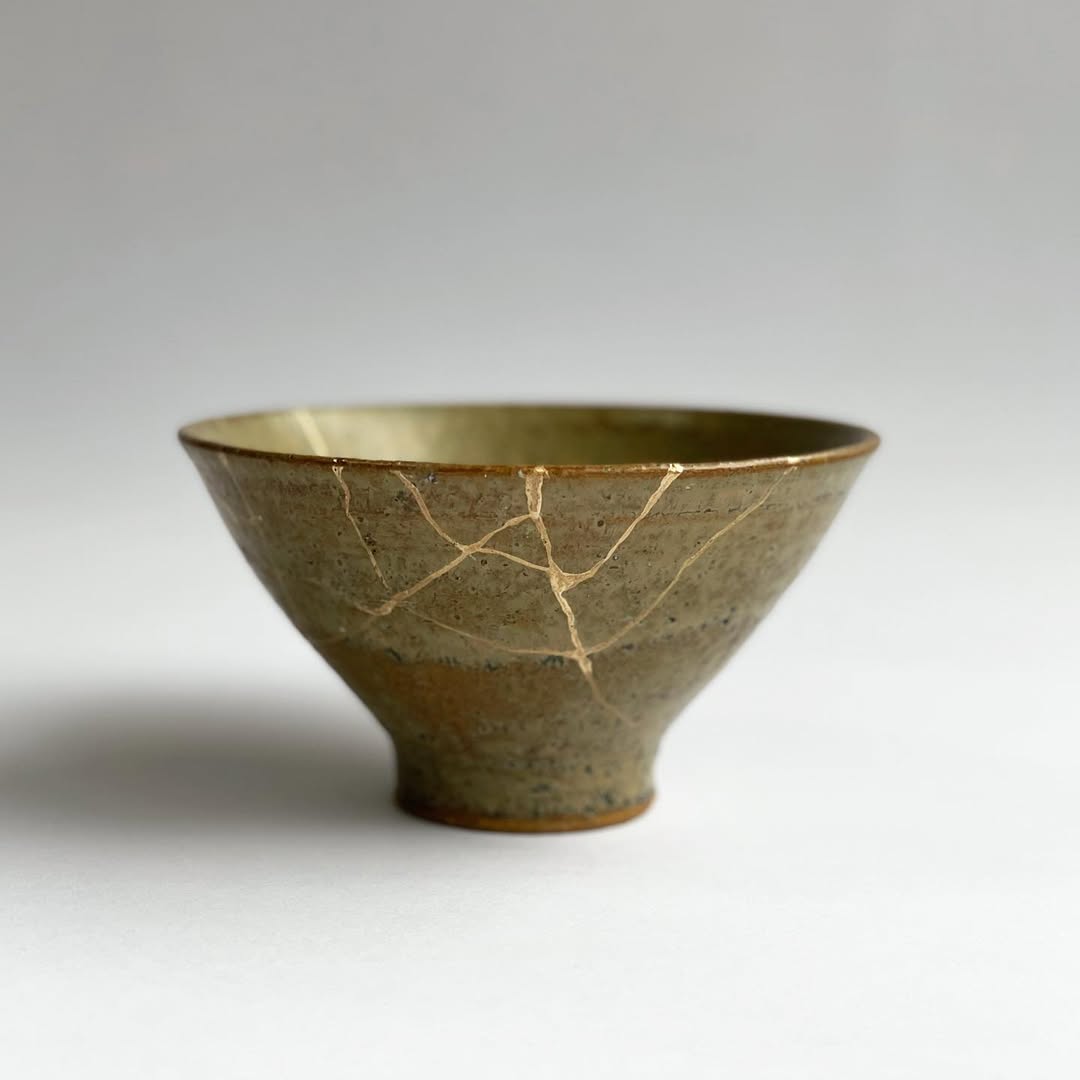
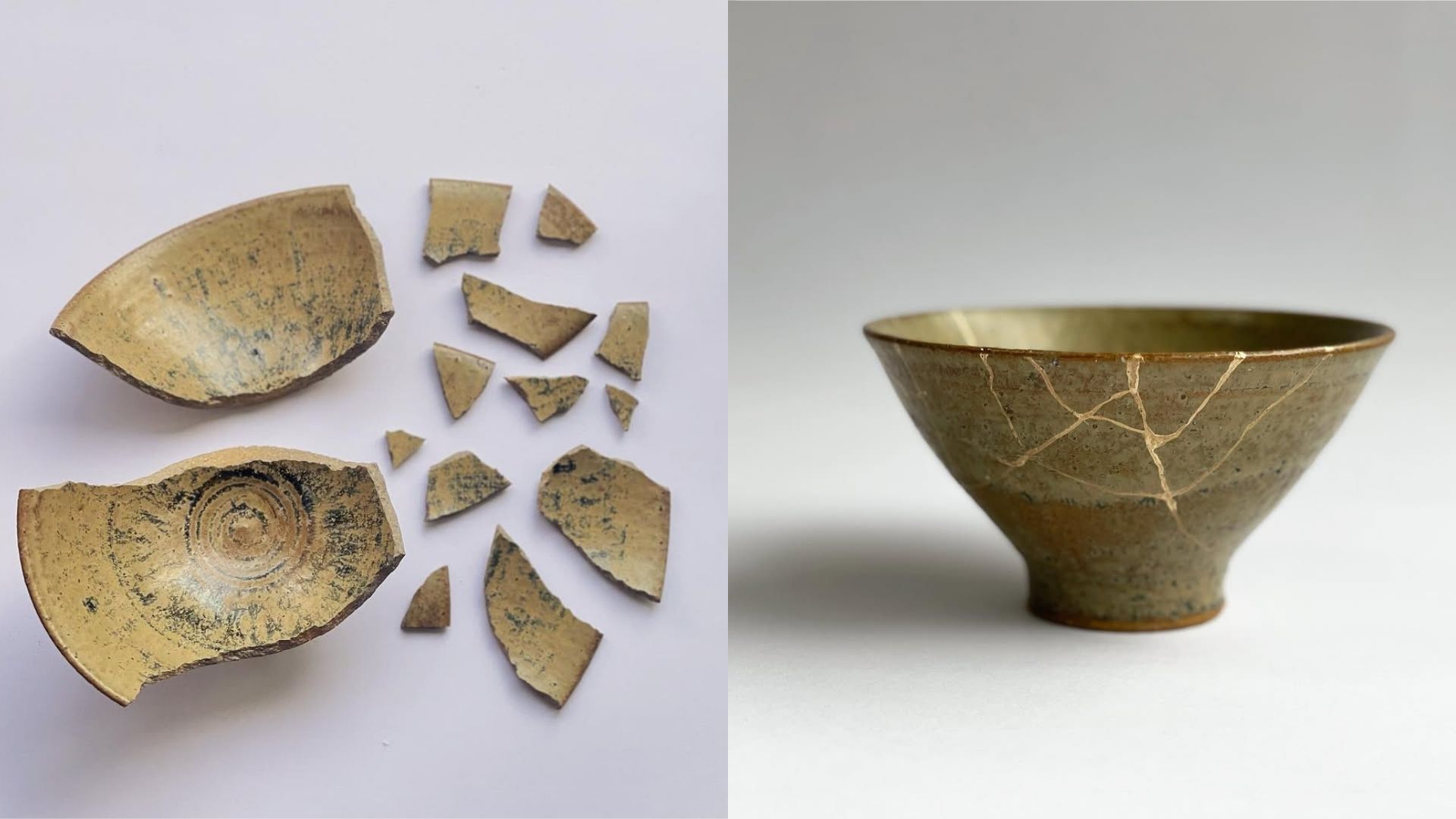 Seni Kintsugi. Sumber: instagram.com/tomomikamoshita
The History of Kintsugi
Although the origins of this technique cannot be traced with complete certainty, the art has long been closely associated with Japan’s traditional tea ceremony, or chanoyu. Historians believe that the practice began to emerge in the late 15th century.
According to a popular story, the practice began when the Japanese Shogun, Ashikaga Yoshimasa, sent his cracked tea bowl to China to be repaired. However, when the bowl was returned, he was disappointed to find that it had been repaired using metal staples that were rather unpleasant to look at. From this disappointment, artisans in the Land of the Rising Sun sought a more beautiful and aesthetically pleasing way to repair ceramics, eventually giving rise to kintsugi.
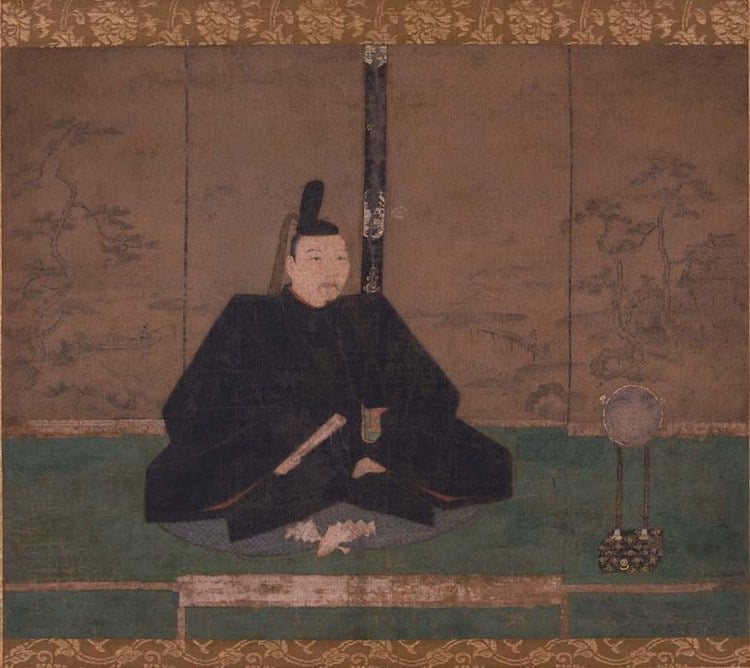 Potret Ashikaga Yoshimasa di Abad ke-15. Sumber: Wikimedia Commons, Public domain
By the 17th century, kintsugi had become a common practice in Japan. Louise Cort, curator of ceramics at the Freer Gallery of Art and Arthur M. Sackler Gallery, explains that during this period, there was even a Japanese warrior known for buying ordinary tea bowls, breaking them, and then repairing them using this unique technique before selling them again for profit.
This shows that by the early 17th century, kintsugi was not merely a repair technique, but had also become a way to decorate ceramics and add value to them, particularly within the culture of tea drinking.
Applying the Philosophy of Kintsugi to Everyday Life
In her book Kintsugi Wellness, Candice Kumai explains that the philosophy behind this technique can also be applied to everyday life. Kintsugi is not only about repairing broken objects, but also about how we care for and accept ourselves. This can begin with embracing imperfection, a principle known in Japanese culture as wabi-sabi. It means finding beauty in things that are imperfect and do not always go according to plan.
We are also encouraged to change the way we view difficulties, seeing them not as failures, but as opportunities to grow. Maintaining warm relationships with the people around us is another important part of the healing process, while also strengthening the meaning we find in the lives we lead.
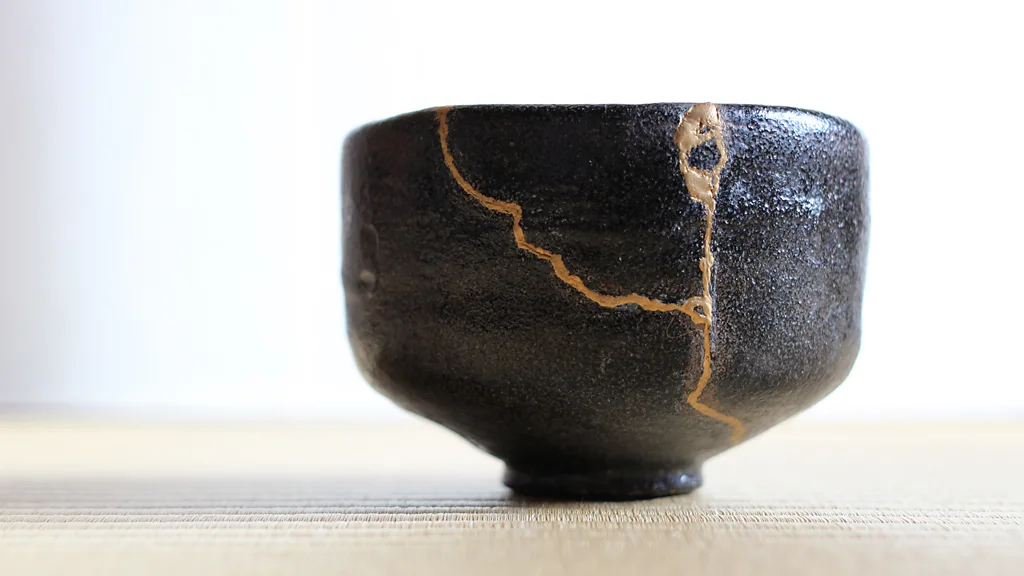 Mangkuk keramik hitam yang telah diperbaiki dengan teknik kintsugi. Sumber: BBC
Kintsugi in the Modern Era
Today, the art of kintsugi continues to live and evolve through the hands of creative artists from around the world. Both in Japan and abroad, this ancient tradition is being preserved while also being given new life through more experimental approaches. Artists such as Tomomi Kamoshita and Yee Sookyung, for example, have brought the philosophy of kintsugi into their ceramic works, creating a blend of traditional techniques and more contemporary explorations of form.
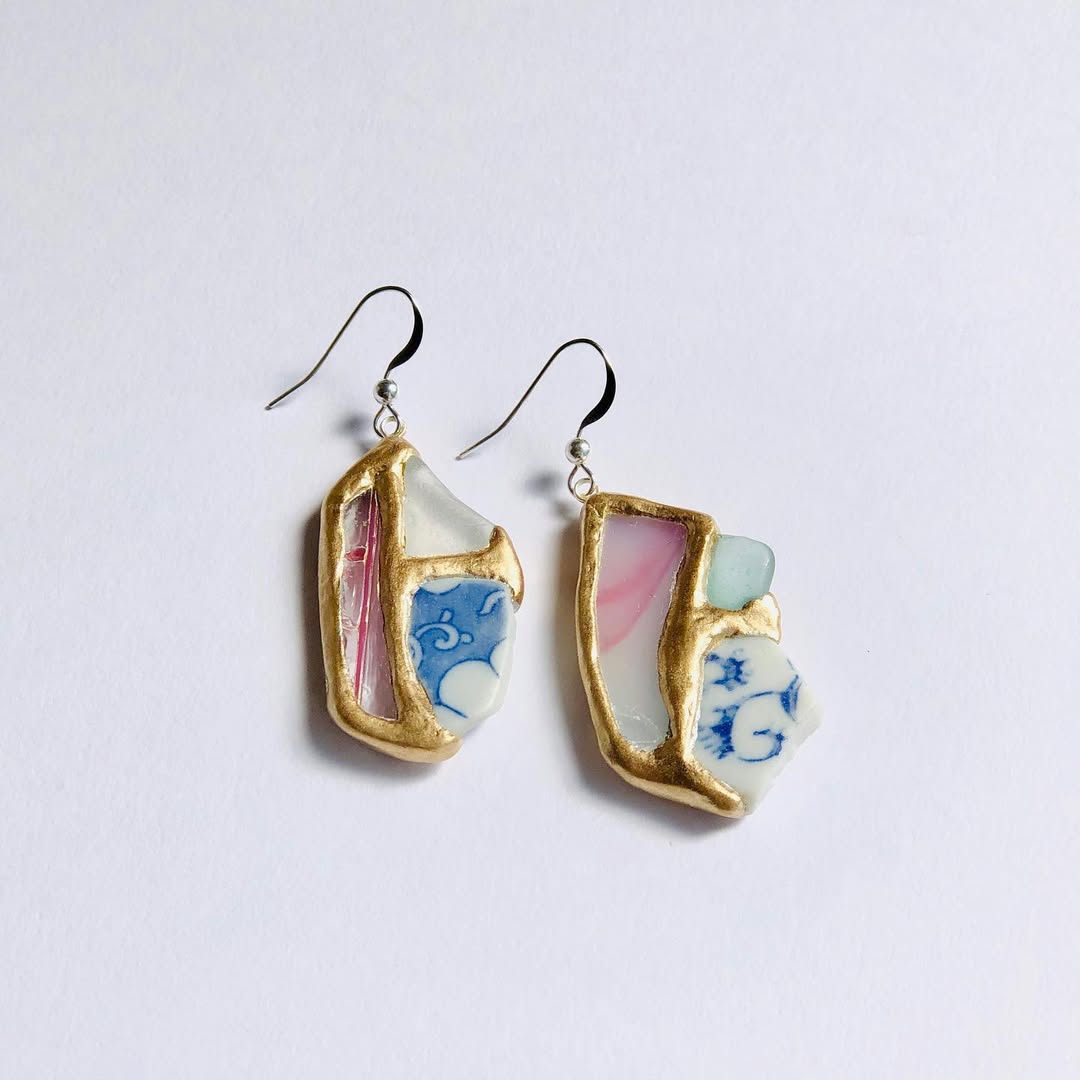 Seni kintsugi dalam bentuk anting. Sumber: instagram.com/tomomikamoshita
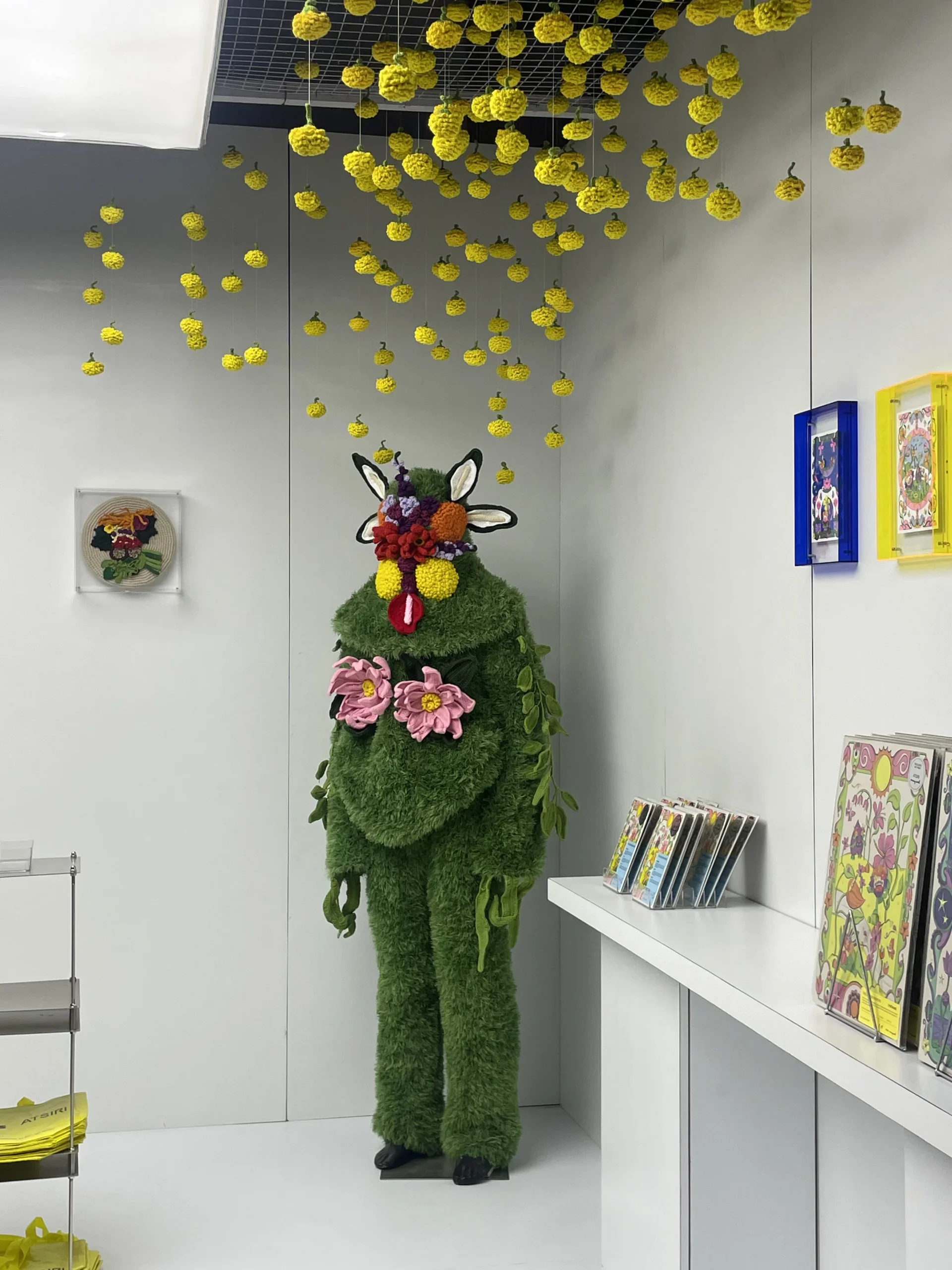
Meanwhile, artists such as Elisa Sheehan, Rachel Sussman, and Tatiana Freitas explore more unconventional forms by applying the spirit of kintsugi to alternative media such as canvas and art installations. Through these approaches, they not only preserve a cultural heritage, but also open up new possibilities for kintsugi to remain relevant within the landscape of contemporary art.
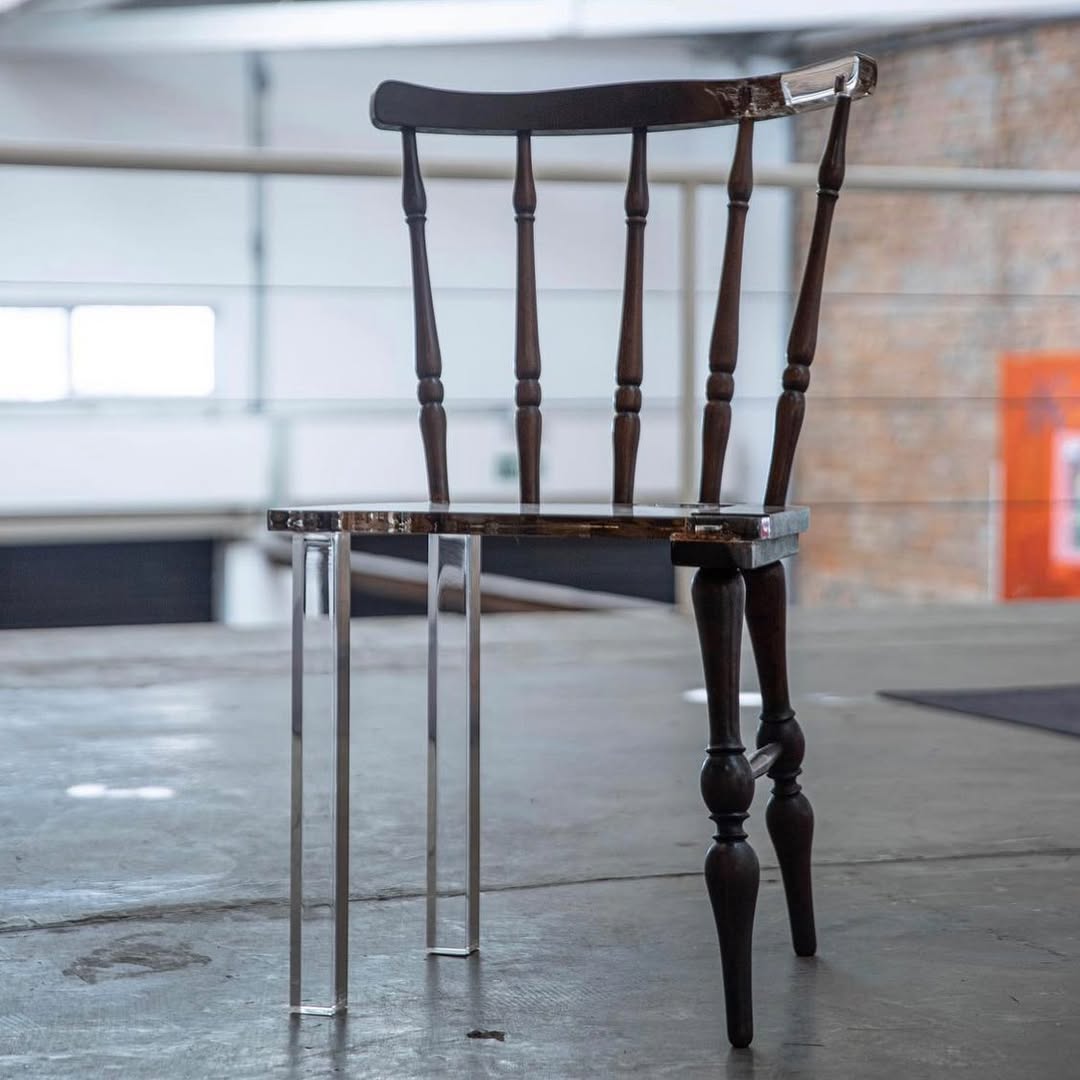 Penerapan kintsugi untuk seni instalasi. Sumber: instagram.com/tatianefreitastudio
Read another interesting article Sots Art: When Historical Narratives Speak Through the Canvas