WLINE presents Life is Pattern, an exhibition and book launch exploring the relationship between pattern, design, architecture, and life.
There are many ways to understand a pattern. Some people find it in geometric forms, while others read it through the rhythm of buildings or the composition of a space. For WLINE, however, its meaning goes far beyond that. A pattern does not only exist within a work, but also in the way a person thinks, works, builds relationships, and even lives.
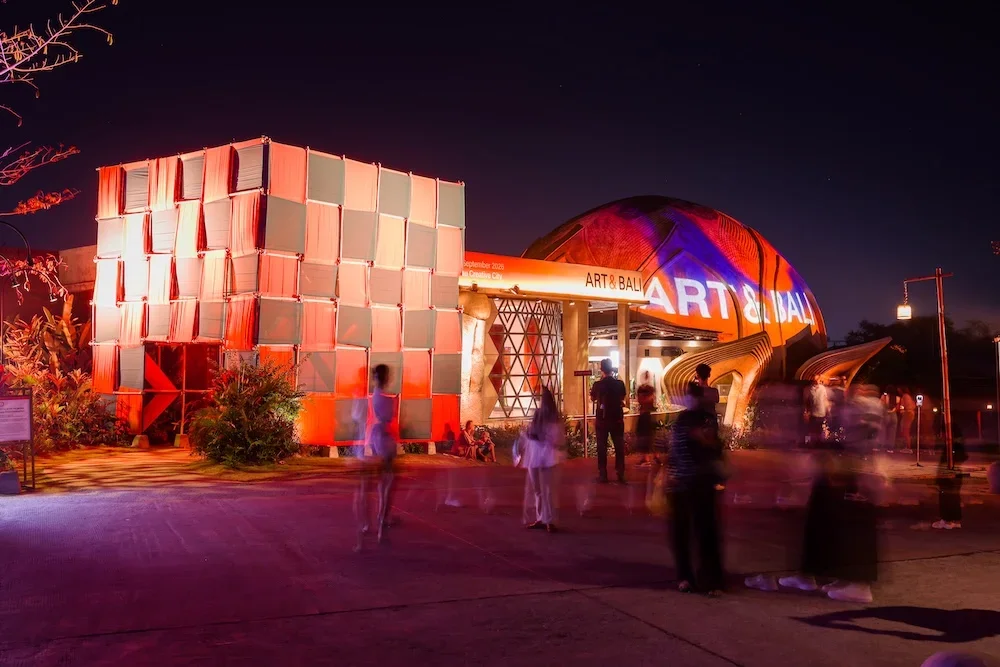
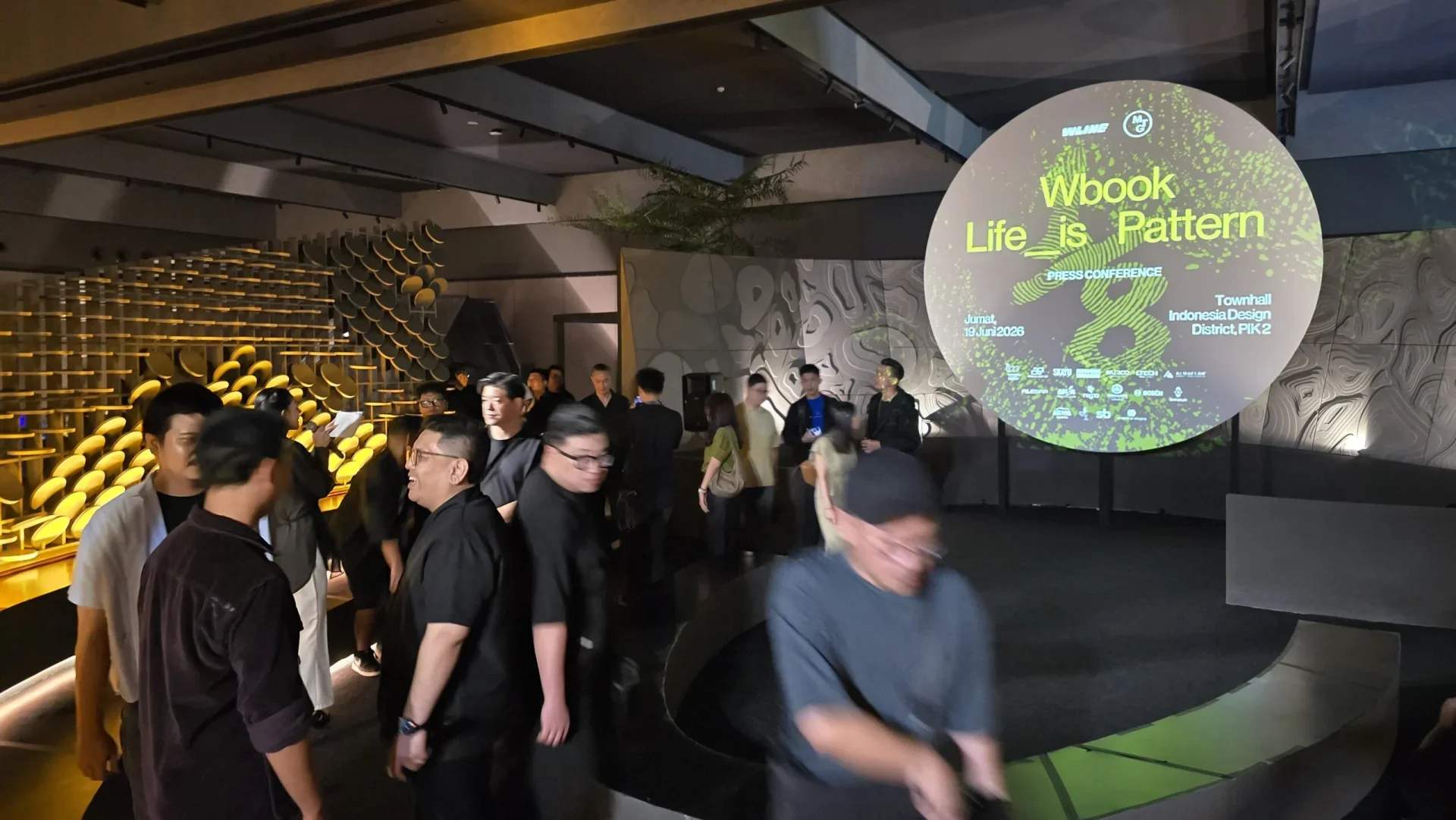
Through Life is Pattern, WLINE invited the public to explore the meaning of pattern through a series of exhibitions and a book launch held from June 19–22, 2026, at Townhall, Indonesia Design District (IDD), PIK 2, Tangerang. Over four days, visitors were invited to see how a pattern can take many forms, from architecture and design to the creative processes behind a work.
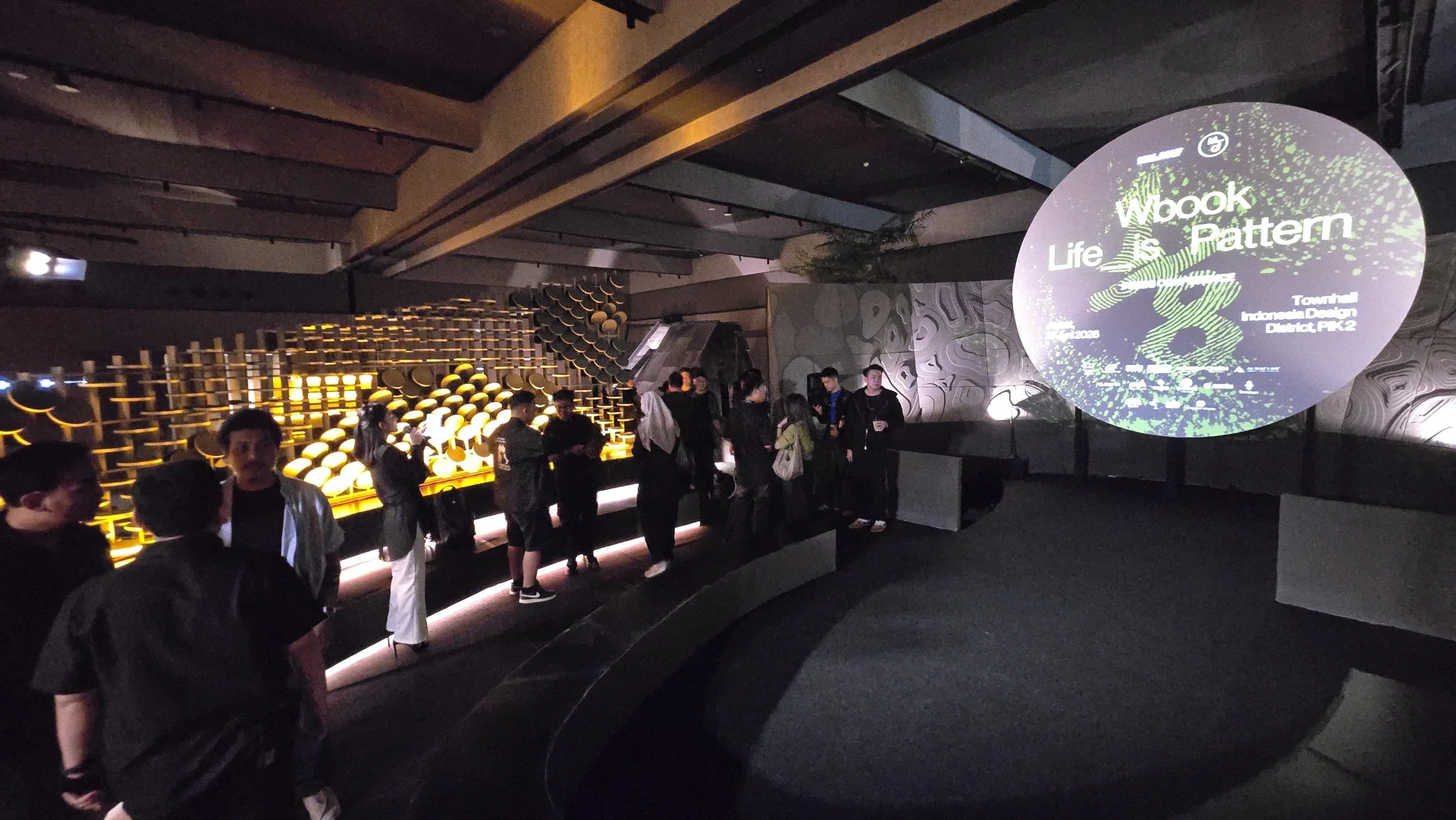 Life is Pattern event at Townhall, Indonesia Design District (IDD), PIK 2. Source: WLINE Documentation.
A Journey That Led to a Book
Life is Pattern was born from a process that has unfolded over many years. From the beginning, WLINE has continued to explore the relationship between materials, digital fabrication technology, and architectural design. Along the way, this exploration led WLINE to a simple realization: patterns do not only shape objects or spaces, but also exist in the way people create, make decisions, and make sense of their experiences.
This understanding was then distilled into the book Life is Pattern. The book documents the journey of Stepanus Wijaya, founder of WLINE, who has spent more than a decade working in architecture and interior design. Through project after project, he began to see that patterns often emerge without us realizing it. They appear in the process of searching for ideas, solving problems, and even in small habits that gradually shape the way someone creates.
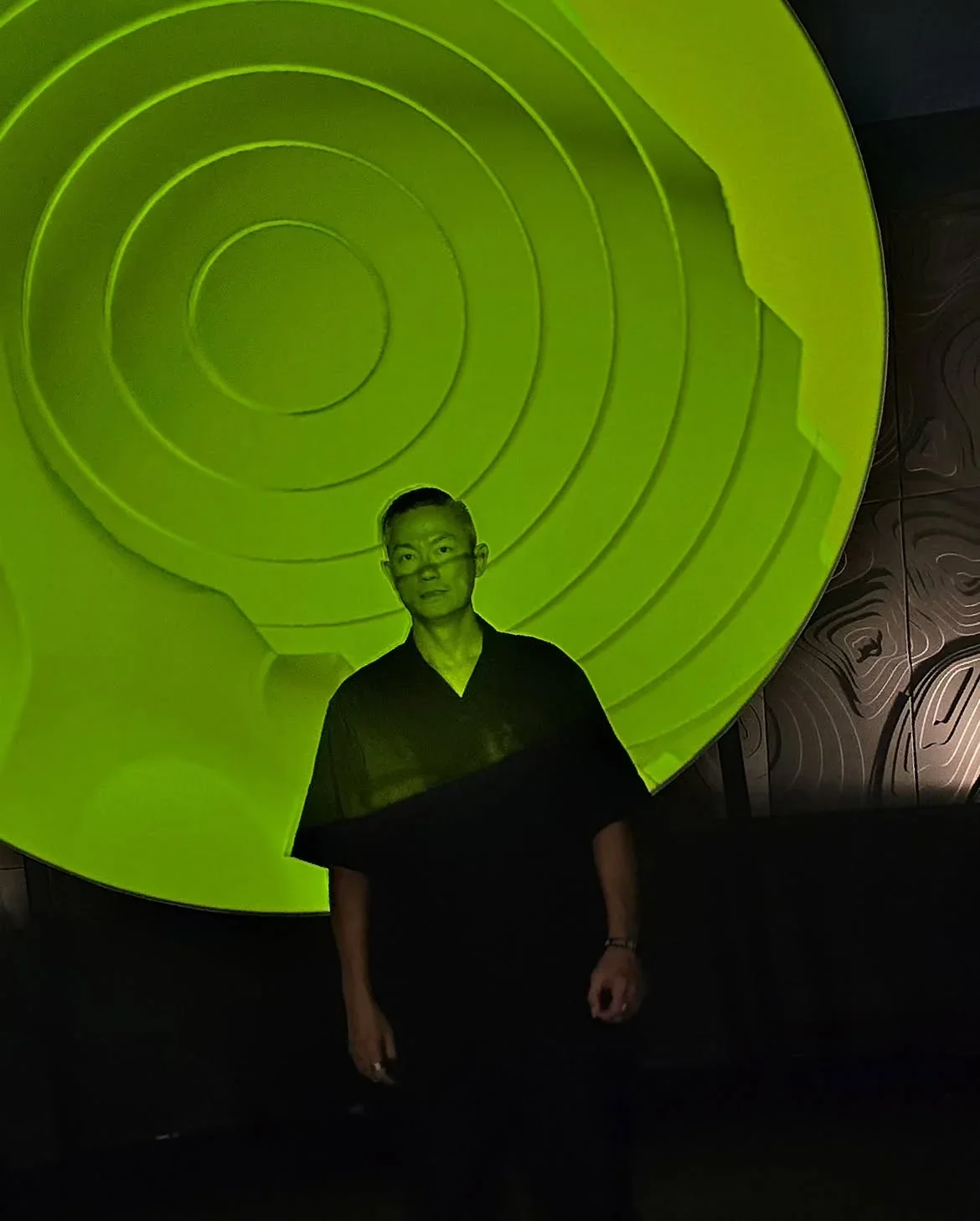 WLINE Founder, Stepanus Wijaya. Source: instagram.com/w____line
More than simply documenting this journey, Life is Pattern invites readers to trace how patterns shape life, design, and architecture. The discussion moves from the history and development of patterns in architecture to the ways they leave traces in human life. In the book, pattern is viewed not merely as a visual element, but as a physical, psychological, and cultural trace, all intertwined and influencing the way people think, create, and build spaces.
This perspective is enriched through conversations with five Indonesian architects, each with a distinct design approach: Adi Purnomo (Mamo), Reza Wahyudi (Bobos), Paulus Setyabudi, Nelson Tugiyanto Liaw, and Antonius Richard. Rather than seeking the same answers, each conversation reveals a different way of thinking. Some begin with intuition, others with context, while others discover their ideas through a lengthy process. This diversity shows that every architect has their own creative pattern, even when they work within the same profession.
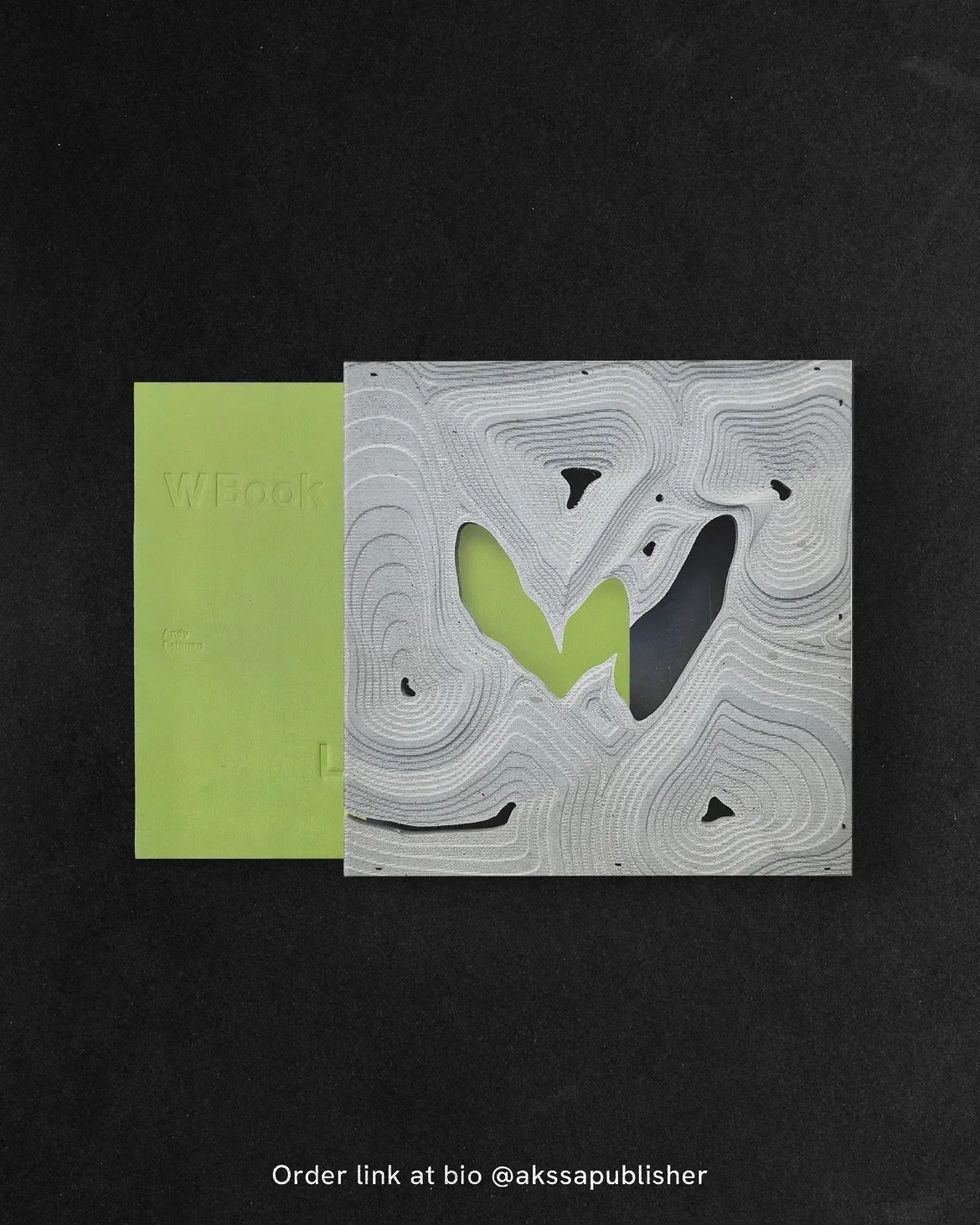 Life is Pattern. Source: instagram.com/akssapublisher
Interestingly, this exploration does not stop at the contents of the book. The Life is Pattern box cover is made using Lightone*,* an innovative material developed through WLINE's research, using PVC plastic waste as its primary material. The material is lightweight, more environmentally friendly, and can be easily shaped into various forms. Its presence represents WLINE's ongoing exploration of materials, while also demonstrating how the idea of pattern can be expressed through the materials themselves.
When Ideas Become Spatial Experiences
What readers encounter in the book then continues into the exhibition space. The five architects involved in the book presented installations that translate their interpretations of Life is Pattern. Each installation offers a different experience, showing how a single theme can evolve into a highly personal spatial interpretation. Visitors are therefore not only invited to understand these ideas through words, but to experience them firsthand.
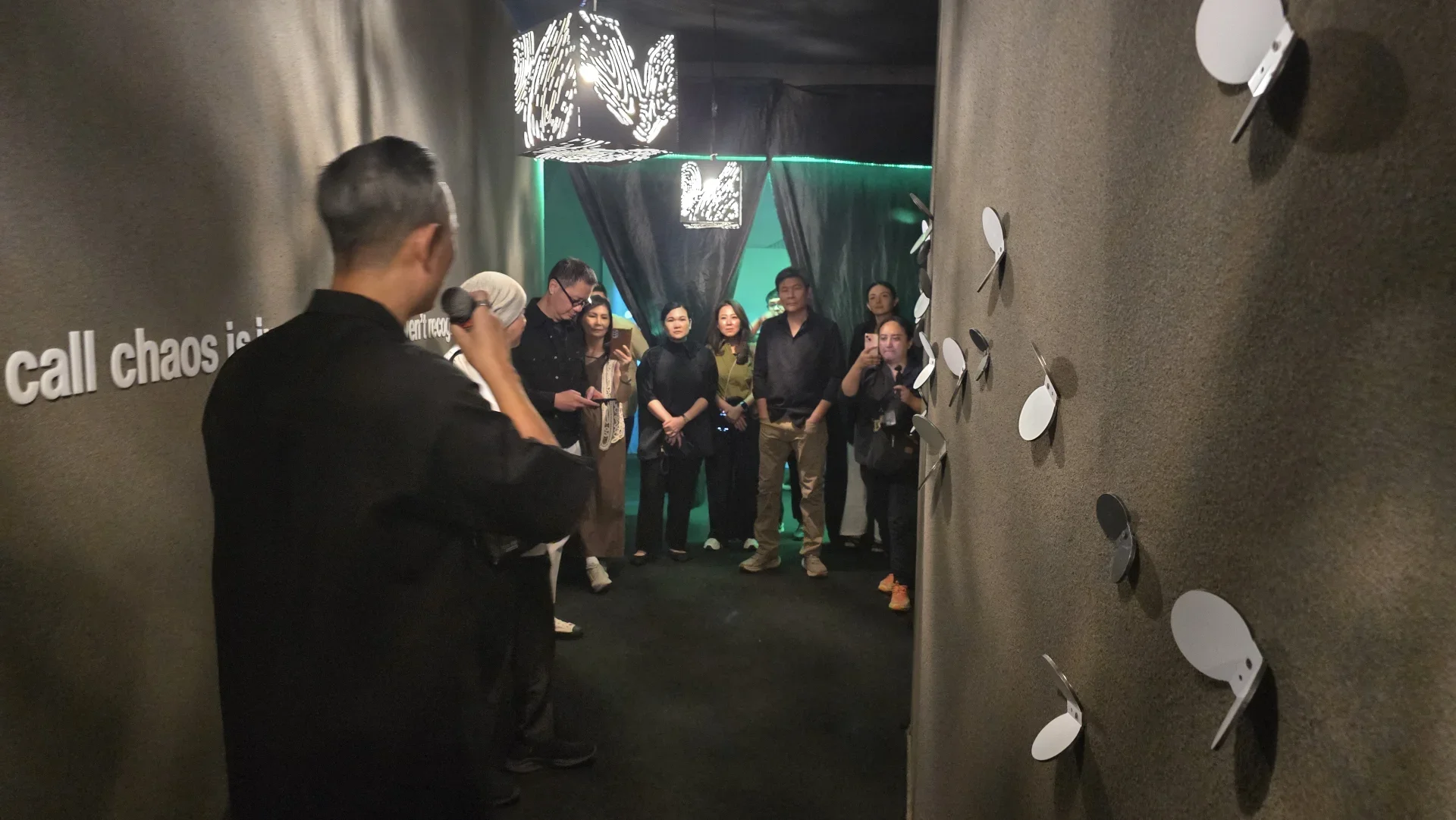 Visitors at the Life is Pattern exhibition. Source: WLINE Documentation.
Lightone also makes another appearance as part of the exhibition. This innovative material was developed to respond to architects' and designers' need for materials that are flexible, lightweight, and more sustainable. Supported by digital fabrication technology and CNC machining, Lightone can be customized into various forms, patterns, and textures. This approach opens up more possibilities for design exploration, while demonstrating how material innovation can go hand in hand with principles of sustainability.
Life is Pattern is more than an exhibition or a book launch. The series became a meeting point for architects, designers, creators, students, and the wider public to exchange perspectives on design, materials, technology, and the creative process. The book, installations, and material explorations come together to create a more complete experience for visitors.