The second edition of Art & Bali reaches a wider audience through its Art Fair and main exhibition titled What the Body Remembers.
"Bali has the second-largest artist community in Indonesia after Yogyakarta, yet there has been no major or international art event here." Such was the reasoning behind holding the Art & Bali event at Nuanu Creative City, as expressed by Kelsang Dolma, Founding Director of Art & Bali, in her opening remarks. Returning for its second edition, Art & Bali increasingly demonstrates its commitment and ambition to become a platform to be reckoned with in the Indonesian art scene.
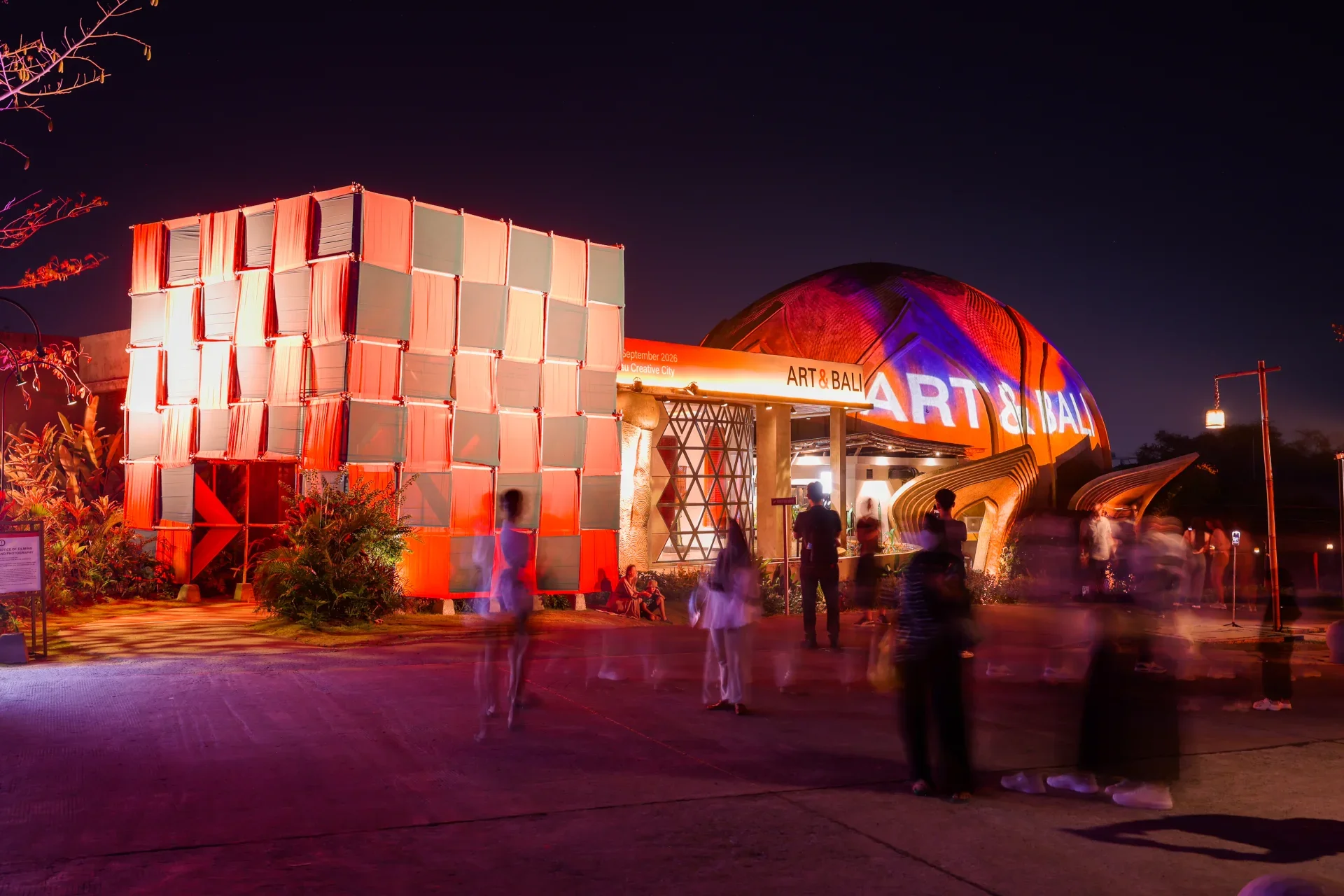
The success of its inaugural run in 2025 became a foundation of confidence for Nuanu Creative City to once again give its best this year. If last year was an 'introduction', this year Art & Bali steps further by reaching into more disciplines, spanning from Southeast Asia to India. They gather to answer a single question: How can creative practices that grew separately be read and understood side by side today?
This question also stems from the common thread of Art & Bali’s theme, Bridging Dichotomies, which brings together tradition and modernity, nature and technology, as well as craft and the market. So it's no surprise that when we received the invitation to attend this second edition of Art & Bali, collaborations with fashion designers became a major highlight in the main exhibition, What the Body Remembers. Why fashion? So, is this an art exhibition or a fashion exhibition?
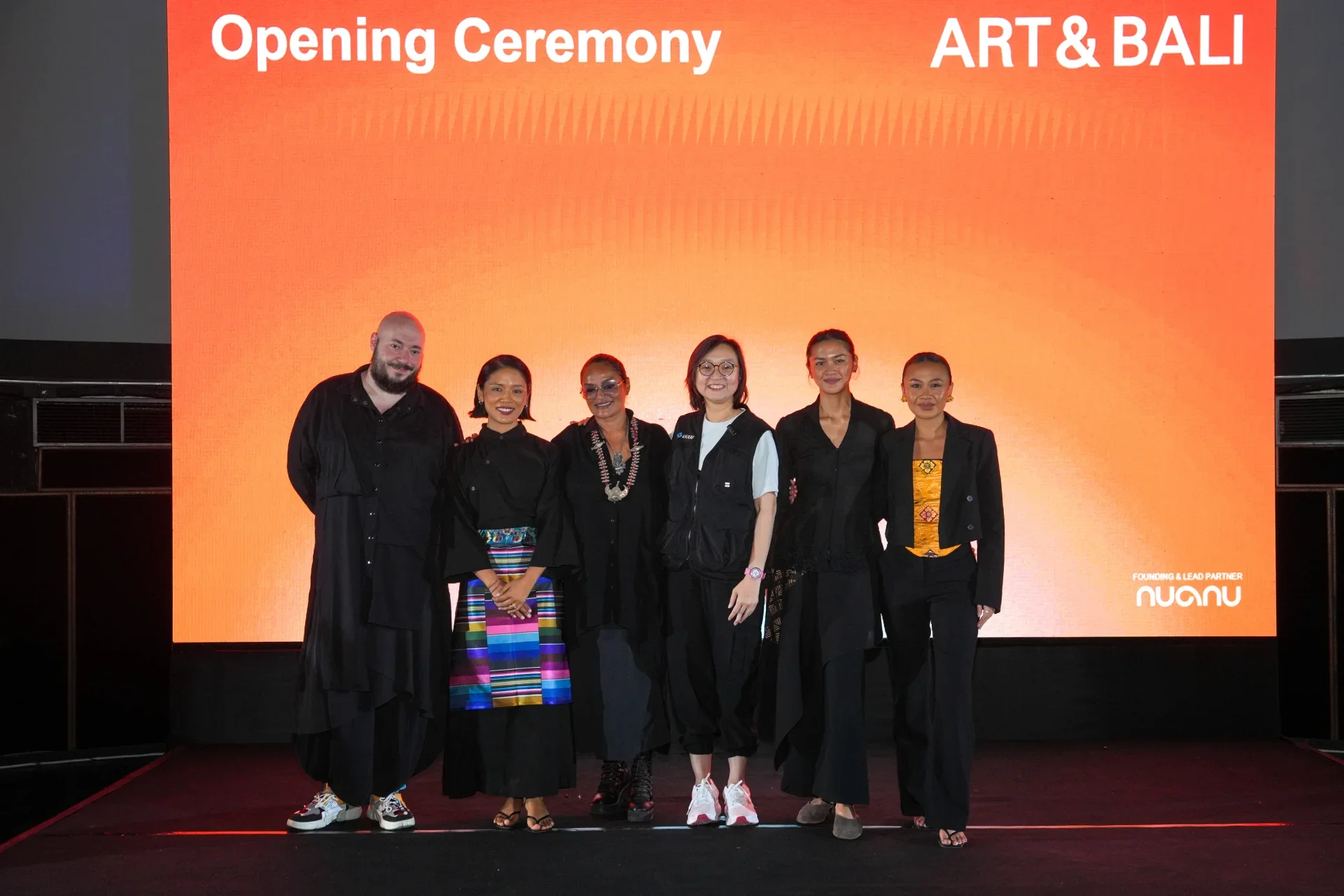
The activities at Art & Bali itself are divided into two main areas: the Art Fair, which serves as a commercial space for galleries and artists held over three days, and the main exhibition, which this time runs until November 29, 2026.
The sweltering Bali heat did not stop our steps toward Nuanu Creative City. Last September 11, 2026, artists, gallery owners, art lovers, culture enthusiasts, collectors, designers, and more were seen gathering at the Labyrinth Convention Centre, the epicenter of Art & Bali's activities.
Art Fair: A Cross-Continental Art Dialogue
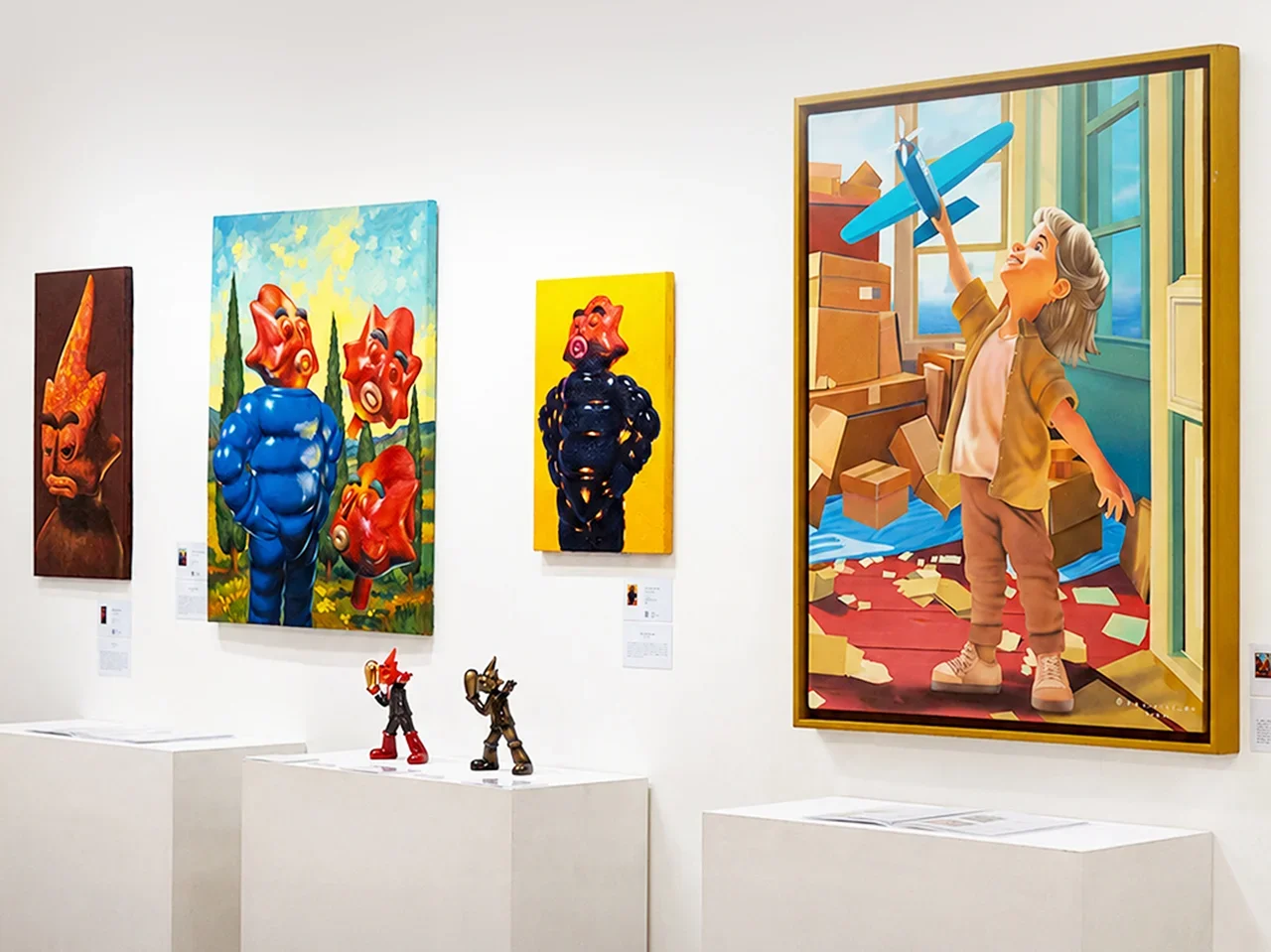
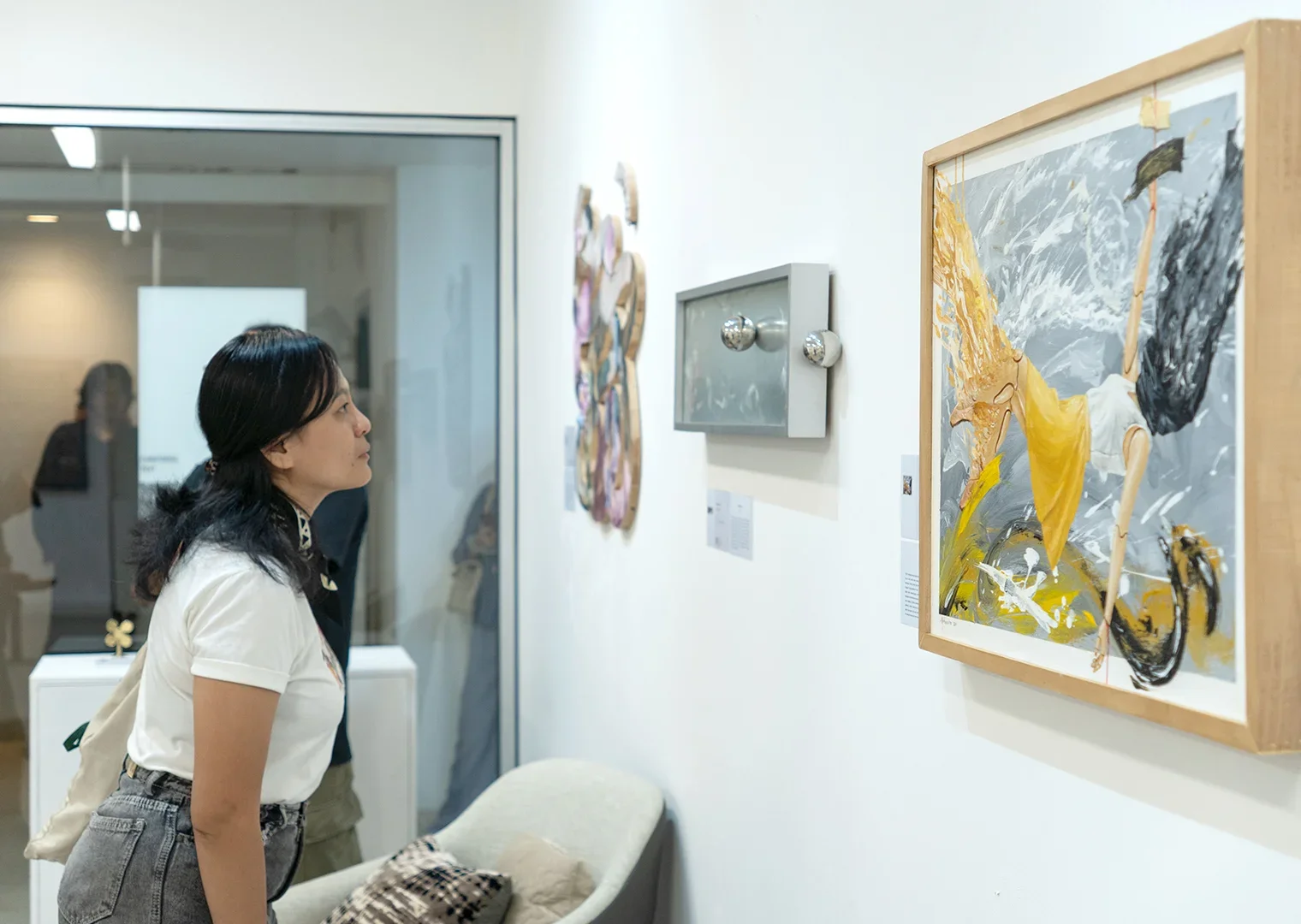
First off, we were greeted by an all-white, two-story room that had been partitioned to make space for galleries to showcase the artworks they represent. This year, the Art Fair brings 23 art galleries, institutions, and independent art spaces from Indonesia, Malaysia, Spain, Italy, Switzerland, and the United States, exhibiting works by over 300 artists.
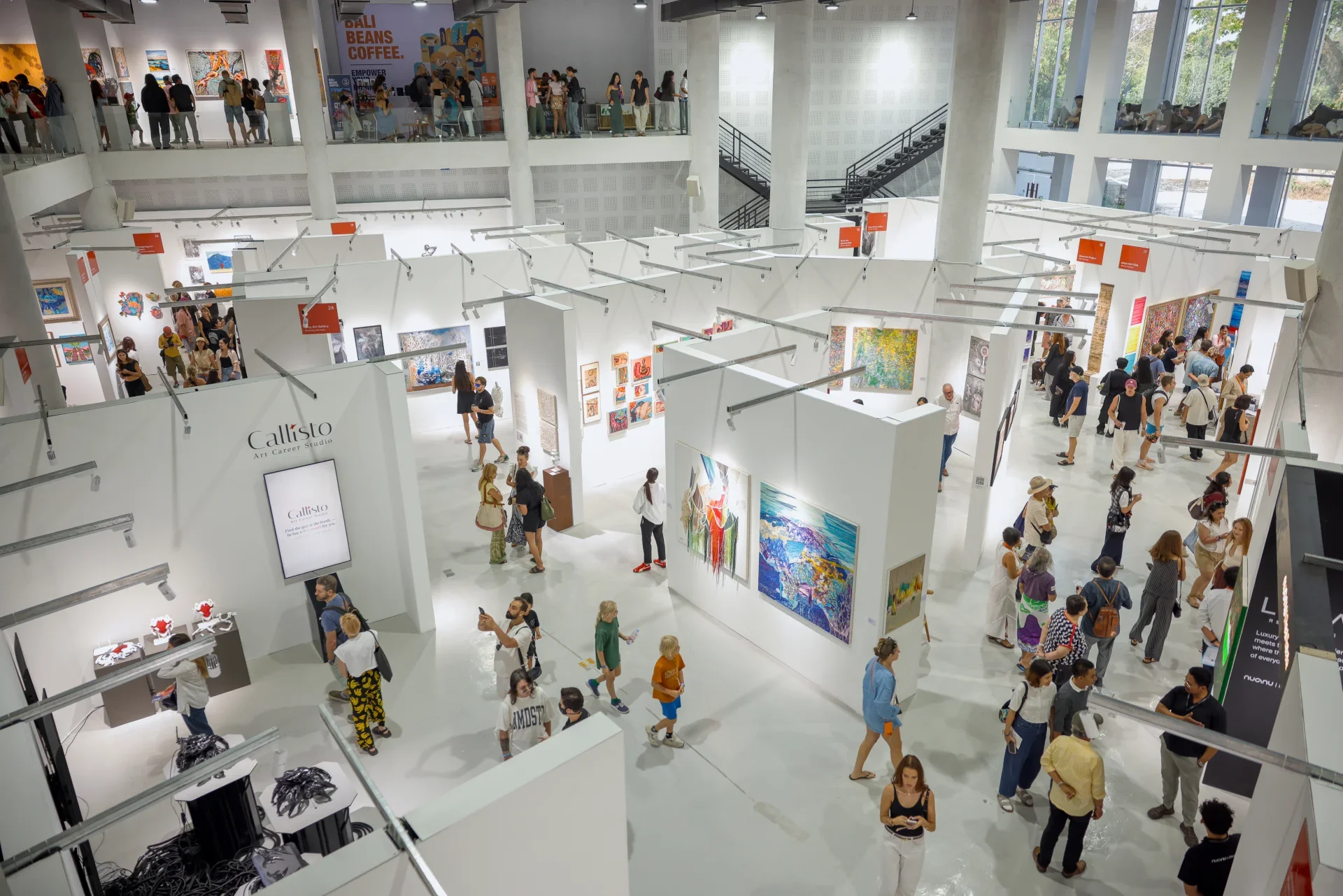
A number of the names might be quite familiar to you, such as Agung Rai Fine Art Gallery, Connected Art Platform, LANӦ Contemporary Art Gallery, Philo Art Space, and others.
Unlike your typical art fairs, these galleries did not pay for booth rentals; instead, they were directly invited and curated by the Art & Bali committee. A rather surprising commitment, in this economy.
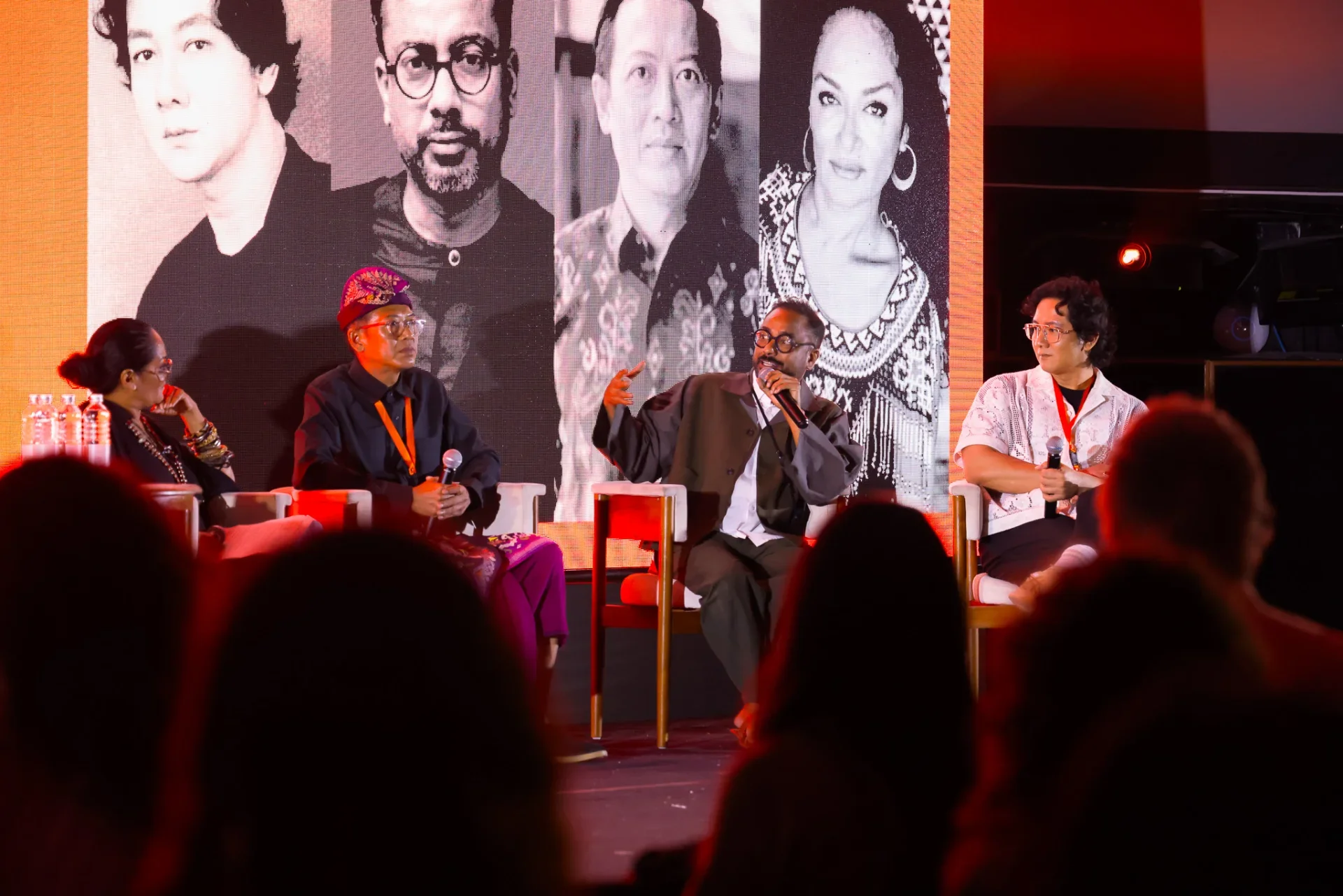
"We believe that development must also nurture, promote, and support the arts," explained Lev Kroll, CEO of Nuanu Creative City. More than just sweet words, Lev was seen highly involved in various activities, including moderating one of the fully-packed Nuanu Future Talks sessions.
The Heritage the Body Remembers
Right next to the Labyrinth Convention Centre is the Labyrinth Art Gallery. This space became an avenue of expression for 26 designers, artists, and studios from India and Indonesia. Curated by Bandana Tewari and Brina Paska, this main exhibition is titled What the Body Remembers.
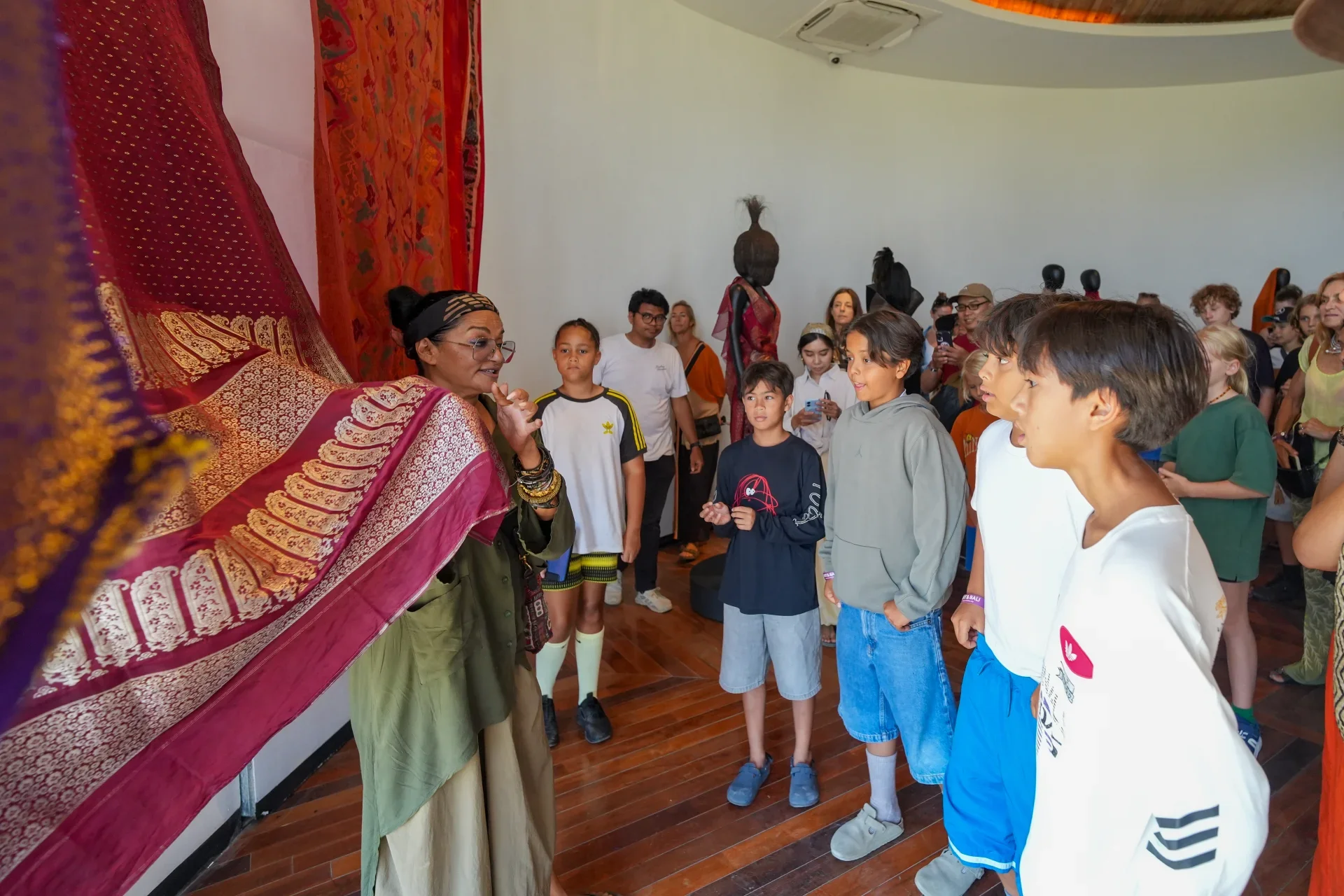
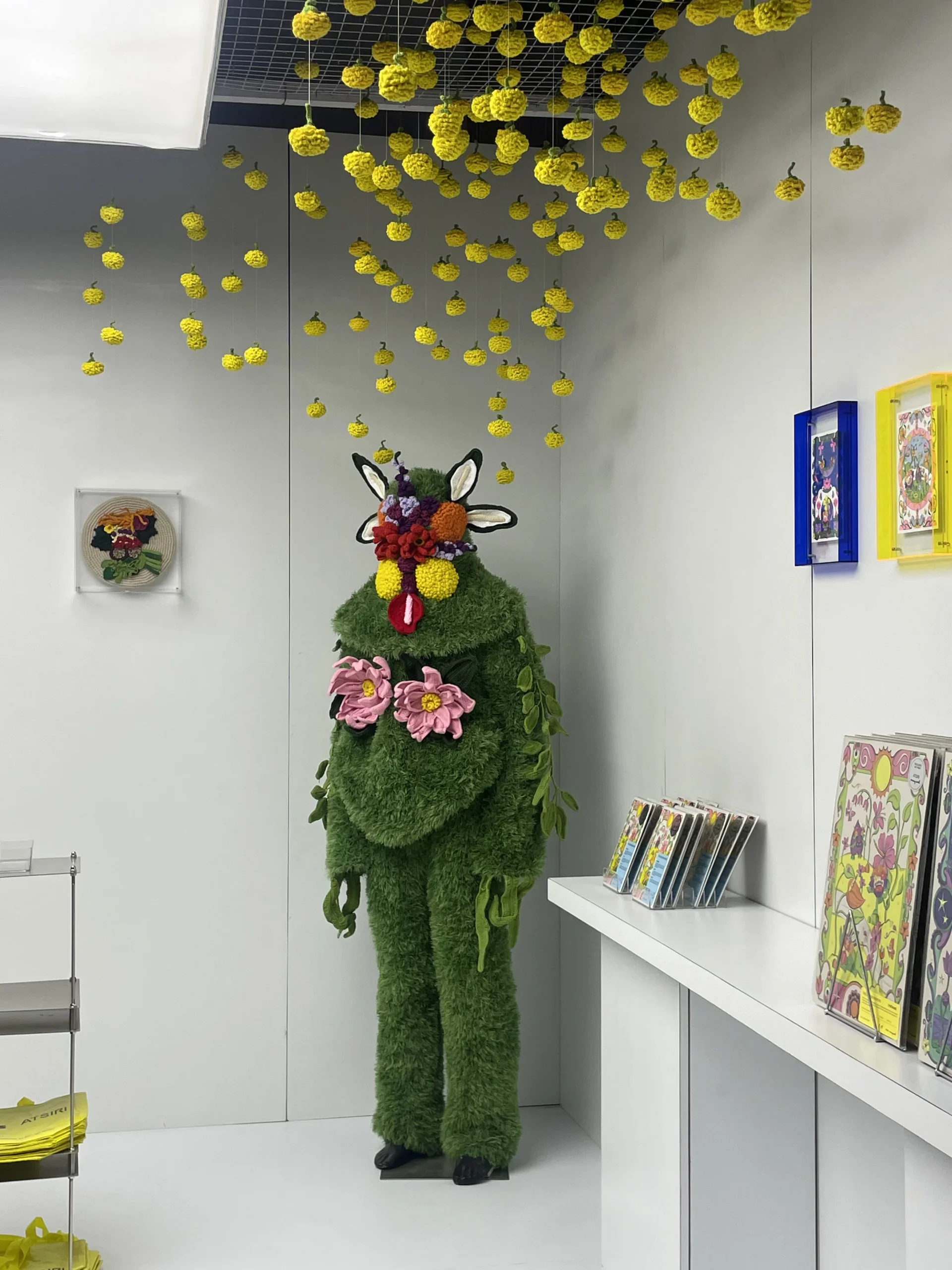
All the participating artists and designers showcased works exploring how memory is not inherited through spoken or written words, but through bodily experiences. This exhibition features a variety of work formats, ranging from contemporary art, textiles, fashion, and craft, right down to material exploration.
All of them question how knowledge can be passed down across generations through touch, repetition, and the exchange of experiences.
Here are a few works from the exhibition that caught our attention.
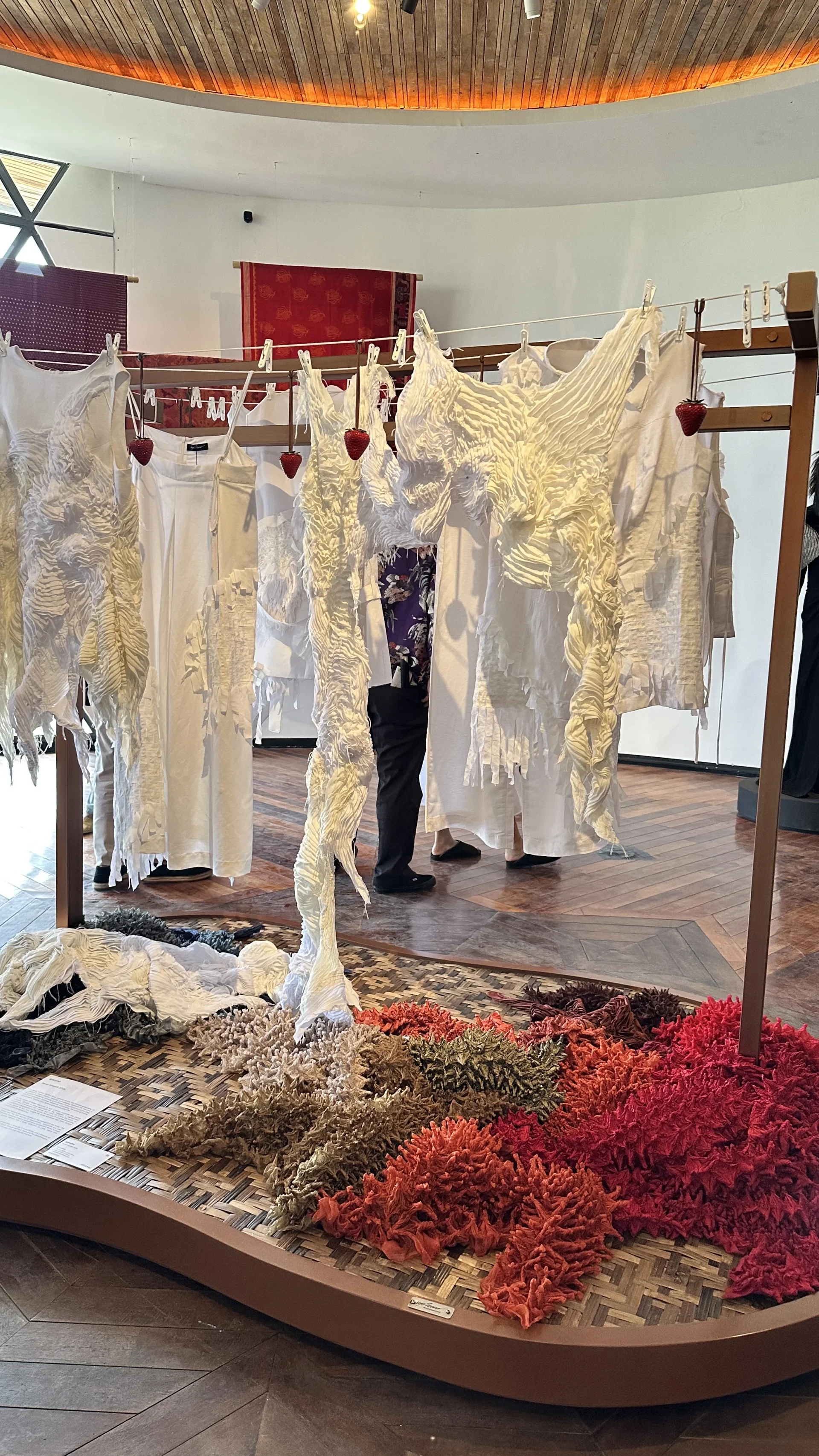
Beras Tumpah (Spilled Rice) by fashion designer Iyonono. He represents his childhood memories of growing up in a modest rented house in a narrow alleyway, often framed by clotheslines, the scent of freshly washed laundry, and neighborhood life.
Rice became one of the main objects holding memories of his mother. Although essential for life, his mother used to only be able to buy rice in small quantities, sometimes even on credit. This artwork elevates personal memory into a public reflection on social class, hard work, perseverance, and a mother's affection.
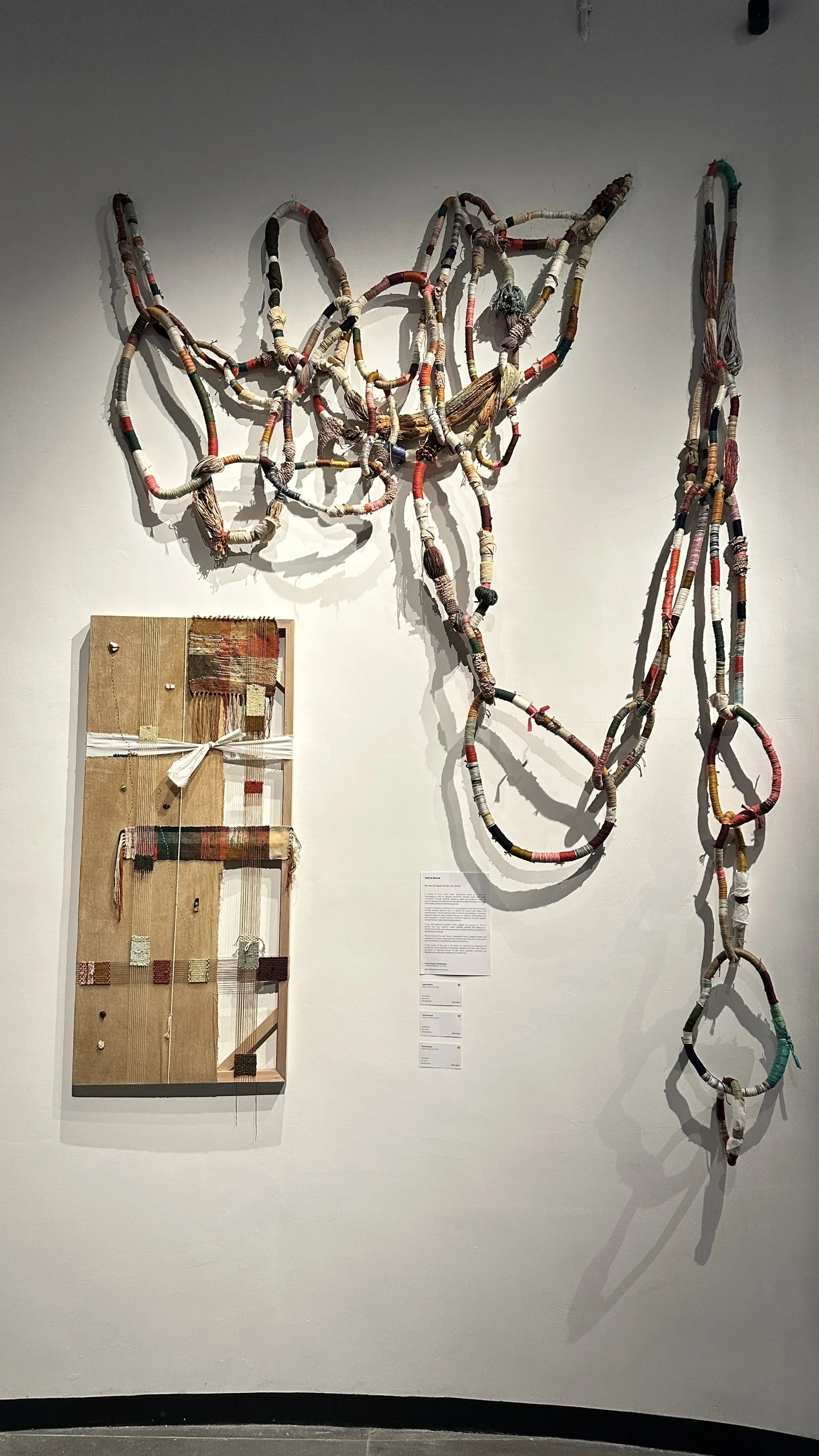
In Routes of Touch, Sarita Ibnoe views textiles as a form of cartography—a way to map movement, memory, touch, and human connection. Through weaving, wrapping techniques, paper, and sculptural forms—namely draping textiles and wrapped structures—she explores how identity and a sense of belonging are formed through encounters with people, places, and inherited gestures.
Sarita is essentially narrating that the role of the hand in this piece is not just to create art, but to carry the knowledge, repetition, and care that channel memory and identity.
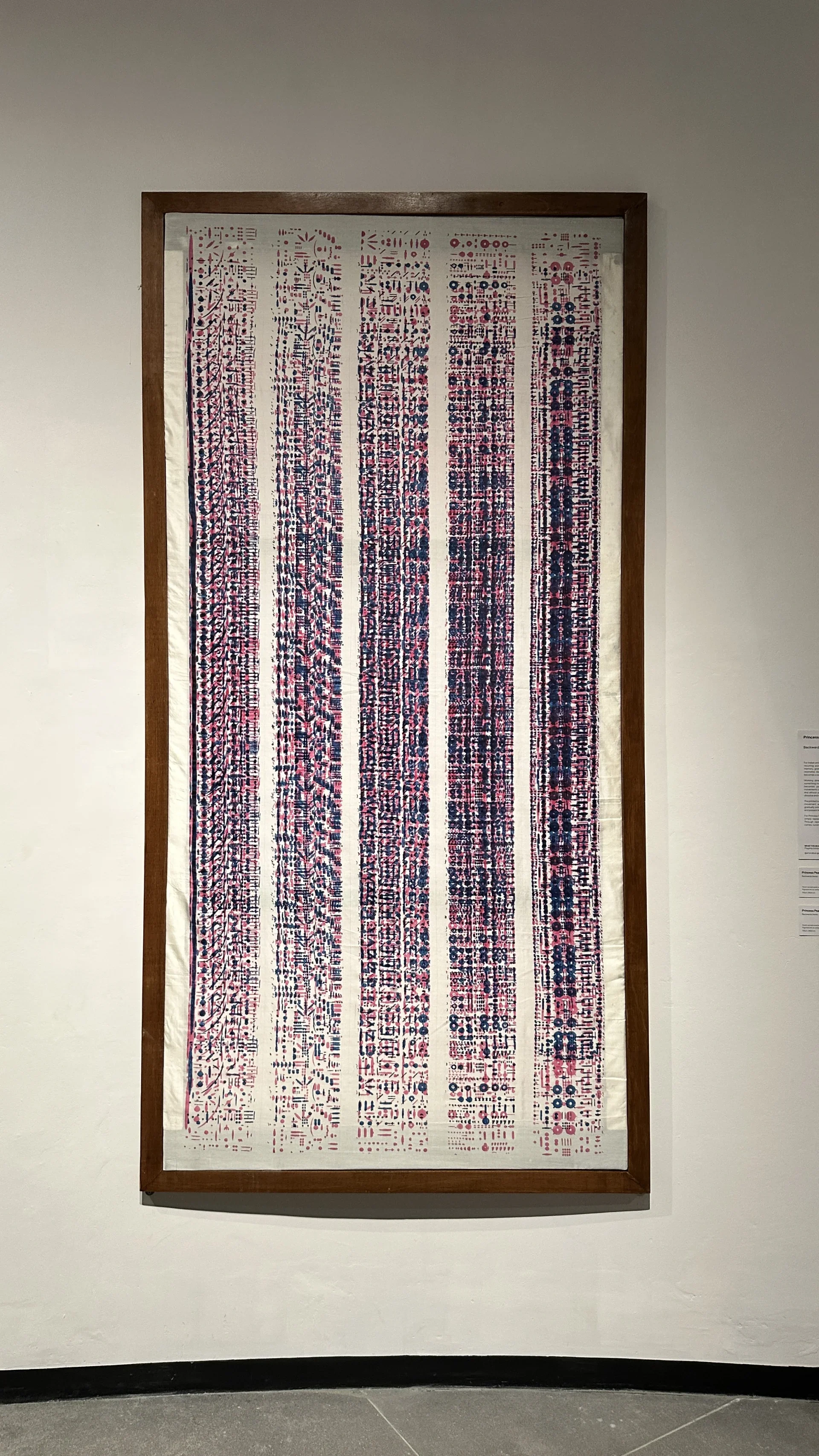
Princess Pea—the alter ego of Indian artist Natasha Preenja—pours Warsan Shire's poem titled Backwards into her work. This poem becomes a recurring point of reflection for Princess Pea because, according to her, it is capable of containing memory, grief, and healing all at once.
More than just creating patterns, she views her work as part of a physical rhythm produced by repetitive, almost meditative body movements. Through these repetitive motions, the body releases, remembers, and reshapes what it carries.
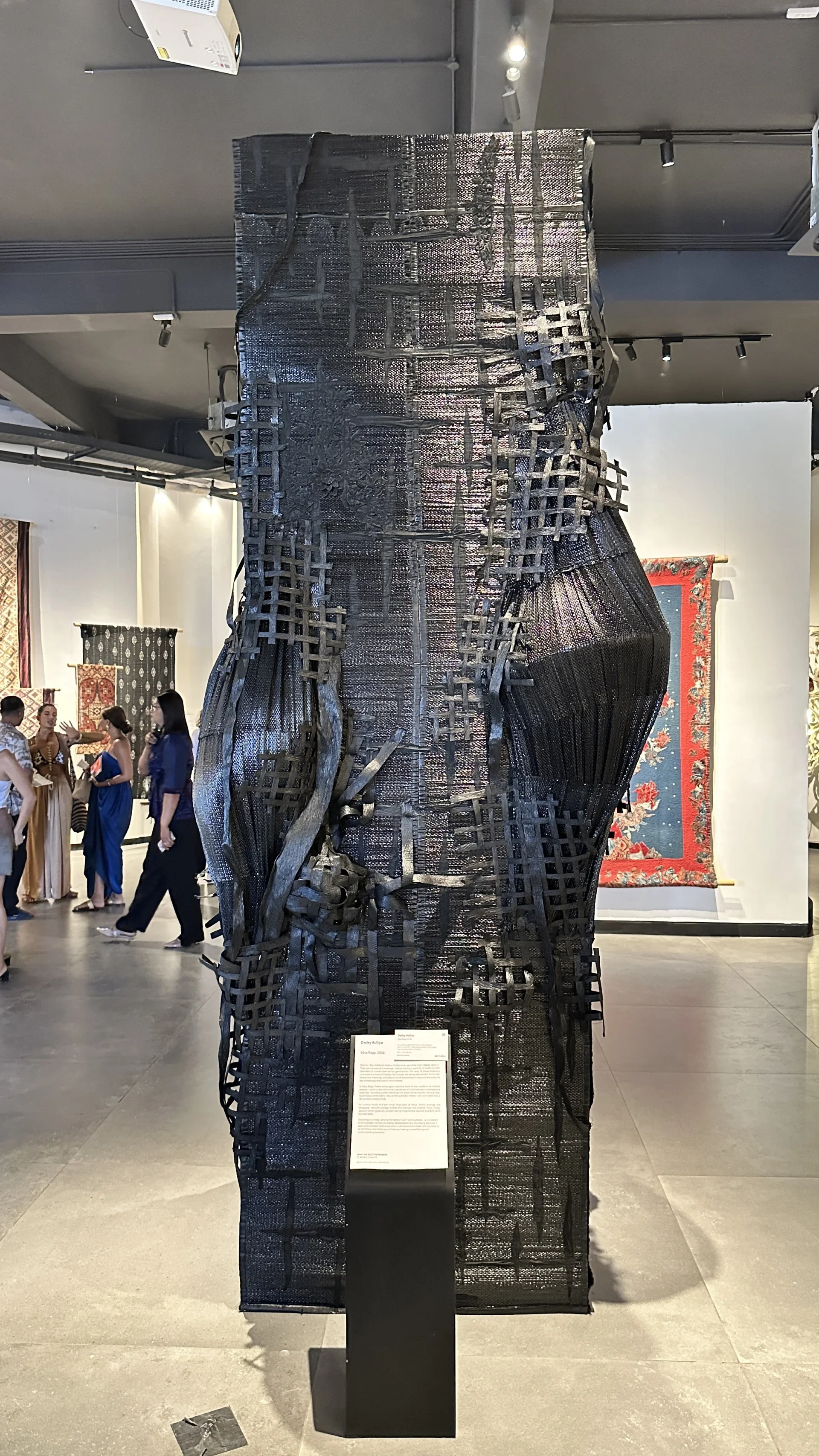
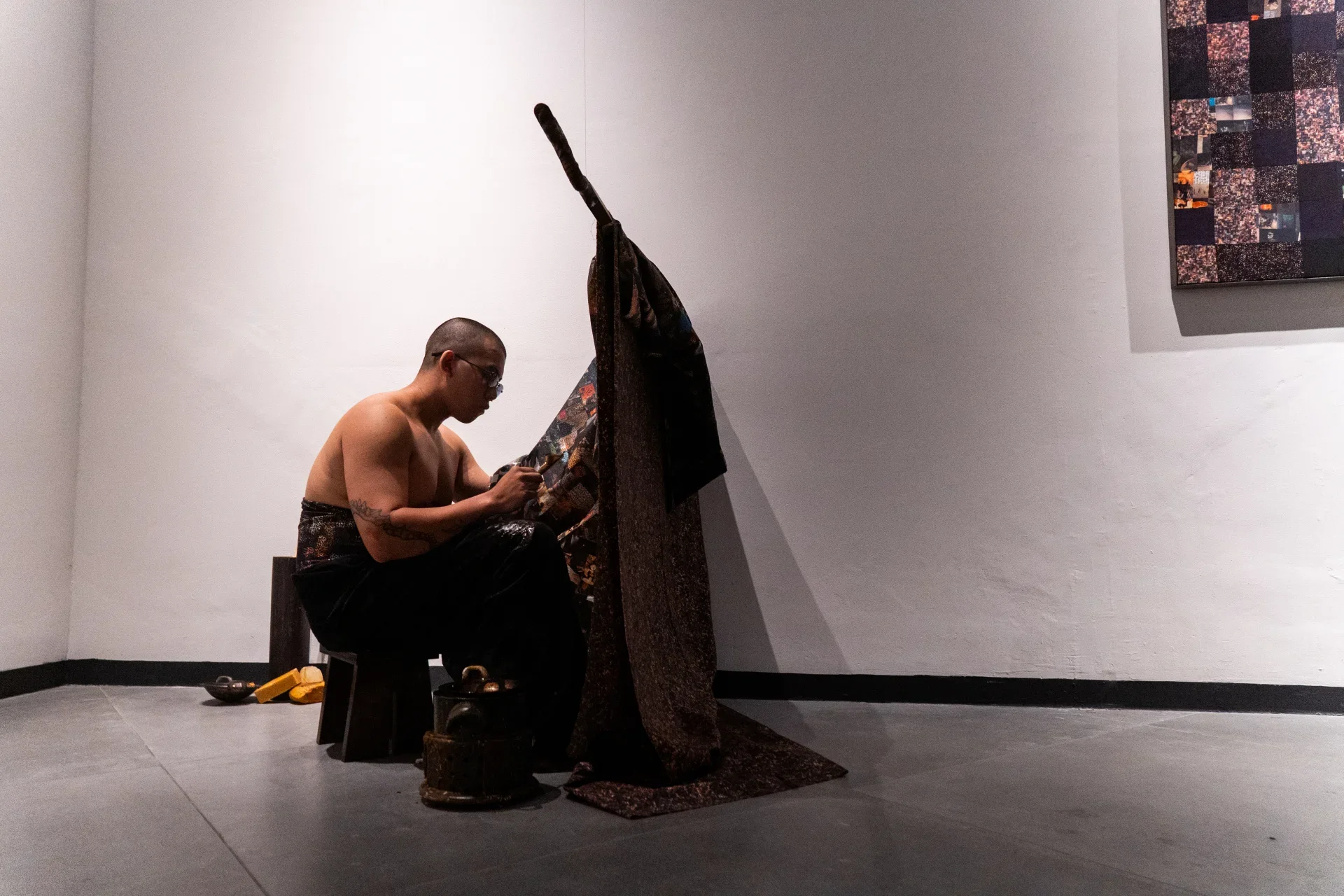
Through Sésa Raga (Remnants of the Body), Dwiky Aditya gives physical form to the cultural erosion occurring within wastra nusantara (traditional Indonesian textiles). His installation work is made from an accumulation of traditional and contemporary materials, such as mendong (fimbrystilis globulosa) woven mats, batik, woven fabrics, lantung tree bark leather, Tasikmalaya embroidery, as well as natural and synthetic fibers. Its surface holds various visual languages simultaneously.
Motifs appear and disappear; textures overlap one another. What initially looks whole slowly appears as something layered and hard to decipher. It reminds us that the body carries the remnants of various traditions that might not be lost yet, but can be silenced or fade away.
So, why fashion? The reality is that elements within the fashion realm, such as materials and so on, can be an incredibly rich source of inspiration for artists. On the flip side, culture, history, and crafting techniques frequently serve as the foundation upon which a fashion and textile piece is born. This dialogue is beautifully narrated in the What the Body Remembers exhibition, which you can enjoy at the Labyrinth Art Gallery, Nuanu Creative City, until the upcoming November 29, 2026.