Pursuing the new without rushing to define an identity
RAD+ar Architects is a collective of designers brought together by a shared idea: to create a better, more inclusive, and decentralized world through design. For RAD+ar, architecture should not be enjoyed only by certain groups, nor should it be bound to a single style or ideology that assumes one solution can be applied everywhere. Every project needs to read its own context and develop a distinct identity.
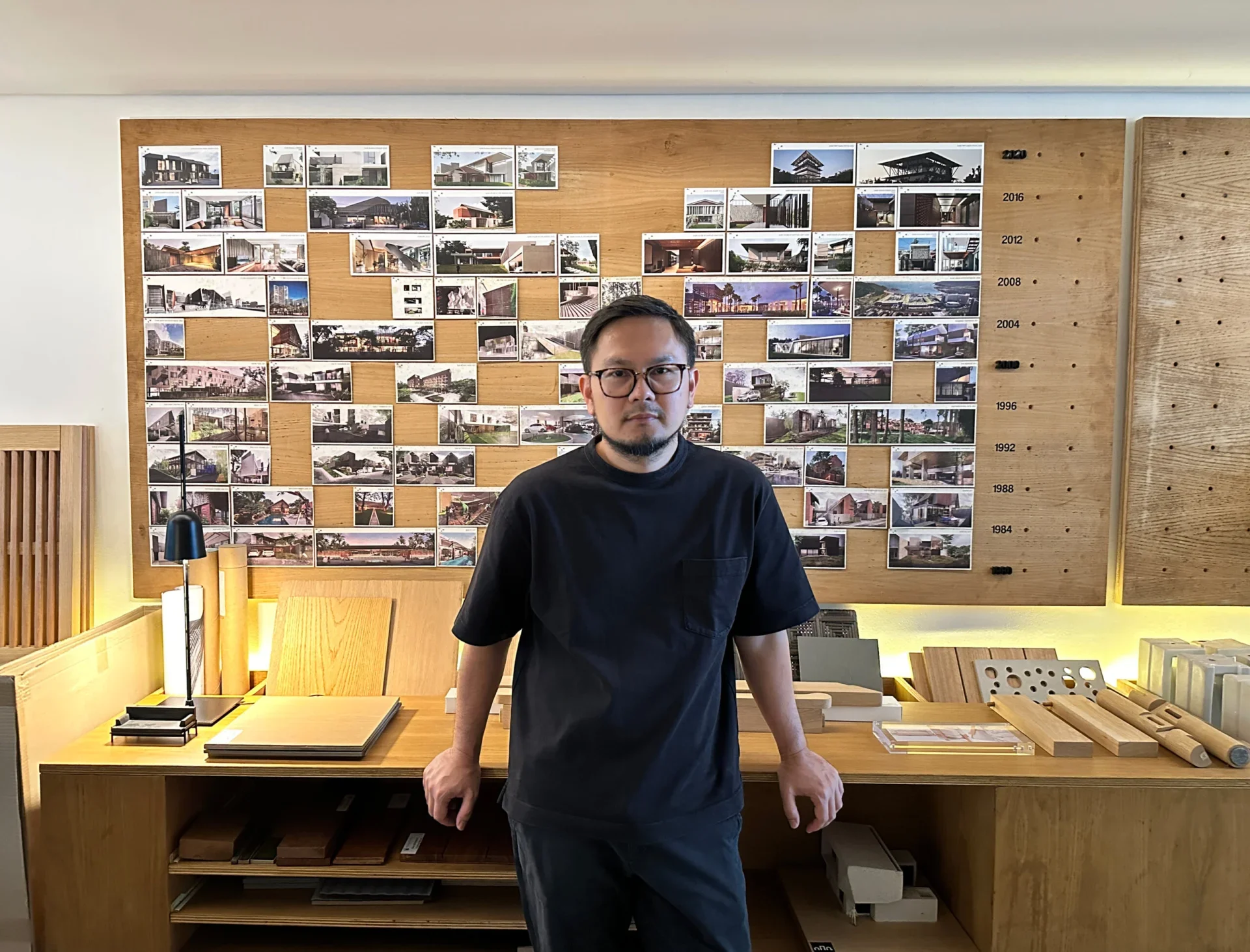
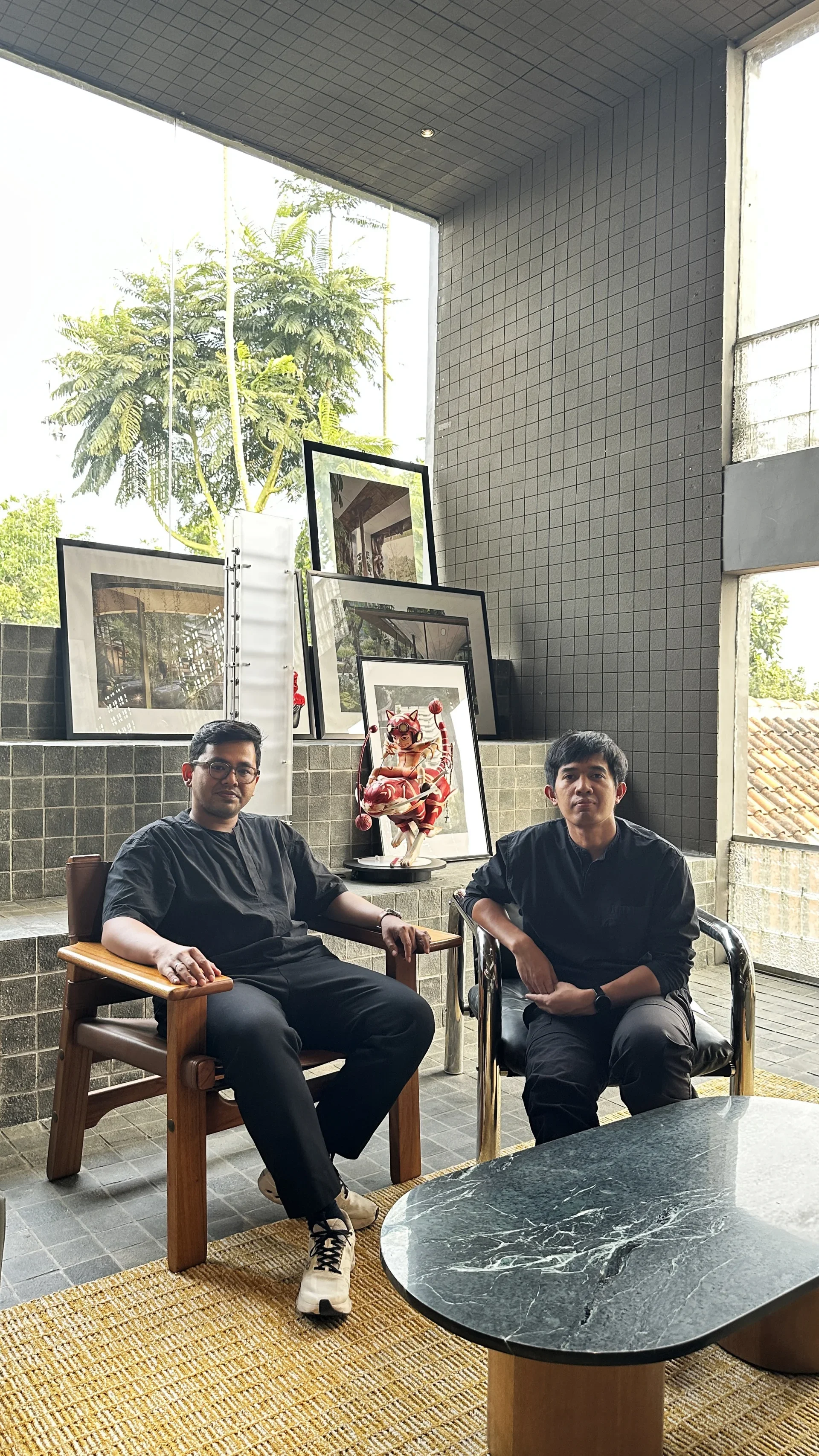
Curious about the principles behind RAD+ar, Written visited their studio and sat down with Felda Zakri, Head of Studio at RAD+ar, and Partogi Pandiangan, Senior Associate Director. The two spoke about context, experimentation, relationships with clients, and why they choose not to rush into defining RAD+ar’s identity.
Decentralized Architecture
Written: RAD+ar describes its approach as sustainable and decentralized architecture. What does “decentralized” actually mean for RAD+ar?
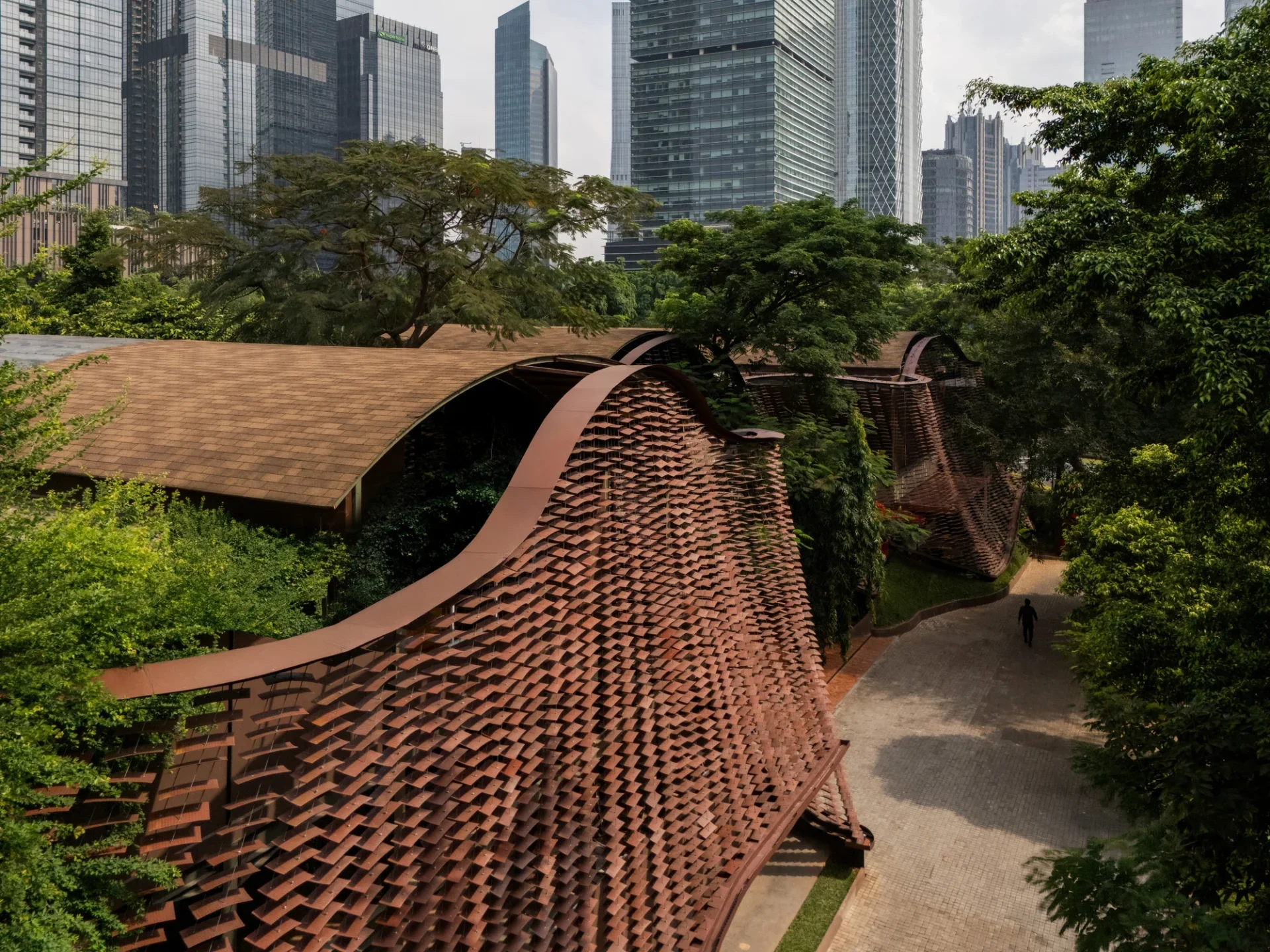
Felda Zakri (FZ): Decentralized means that we try to free architecture from the styles or ideologies of globalization and modernism that believe there is only one solution that can be applied everywhere.
We don’t believe that one solution works for every context. Architecture needs to be more specific to the site, its surroundings, and the context in which the building exists. So every work should result in a different identity.
Written: So is the common thread a design approach that looks at context?
FZ: Exactly. We don’t believe that architecture should look the same everywhere. We always look at the context in which a building exists.
Partogi Pandiangan (PP): Every project also has its own challenges because all of them are part of the project’s context. We don’t see challenges as obstacles. In fact, the best creativity can emerge precisely because the challenge is specific.
That challenge is what we call context. If a building has no challenges, then it is probably too general. That goes back to modernism: one solution can be placed in every context, and we don’t believe in that. So the challenges within each project actually become part of the fun of designing.
Written: How crucial does RAD+ar think architecture and interior design are in healing the urban environment?
PP: To say that architecture can heal a city might be too extreme, because cities are very complex and are shaped by many buildings with different functions.
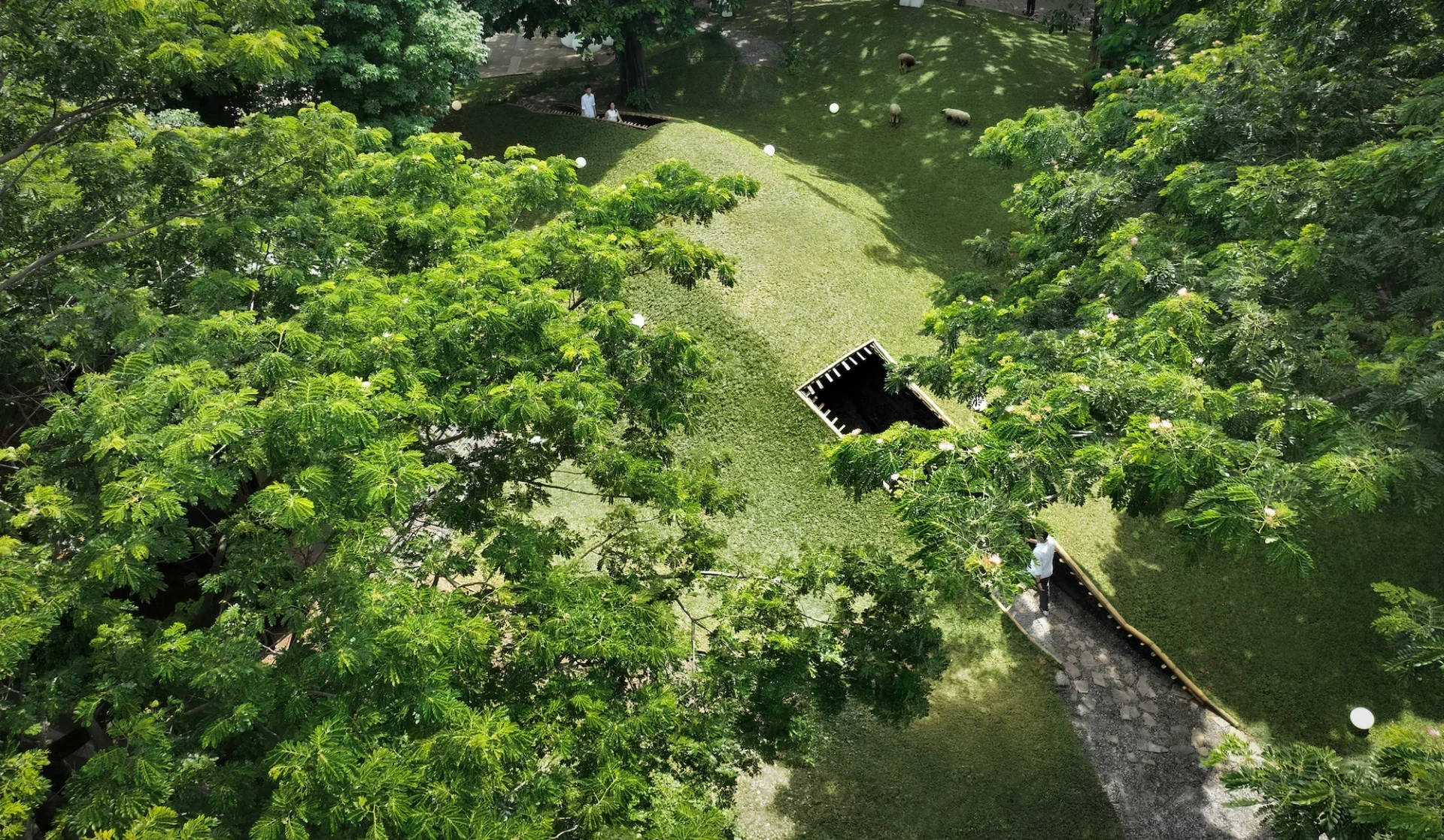
Our question is more about: how beneficial is a building to its surroundings? If a building exists in a particular place, can it have a positive impact on its environment? If not, perhaps the question should be: does the project or building need to exist at all? Why does it need to be there?
FZ: If a building cannot make a place significantly better, perhaps the building doesn’t need to exist. Maybe architecture doesn’t need to work there.
Experimentation, Materials, and Clients
Written: How does the creative process unfold within the RAD+ar studio?
PP: The creative process at RAD+ar actually begins long before a client is selected. We are very selective about the clients and projects we take on.
After that, we look for options and solutions that are truly contextual to the project. Then, through experimentation, we push for newness. Pushing for newness doesn’t necessarily mean creating something different, but also encouraging discourse and the broader process of architecture in Indonesia.
Written: Does the process flow from top to bottom, or the other way around?
FZ: We don’t always work top-down. Meaning, it doesn’t always come from the principal to the associate, or from the top down.
We think collectively. Everyone is allowed to express their opinion. If we feel that it is the best solution we can arrive at at that particular moment, then perhaps that is what eventually becomes part of the design concept.
PP: That’s why we always encourage discourse and new ideas, so that the studio itself can continue to have a sense of newness.
Written: How does RAD+ar keep experimentation alive when working with commercial projects and client requirements?
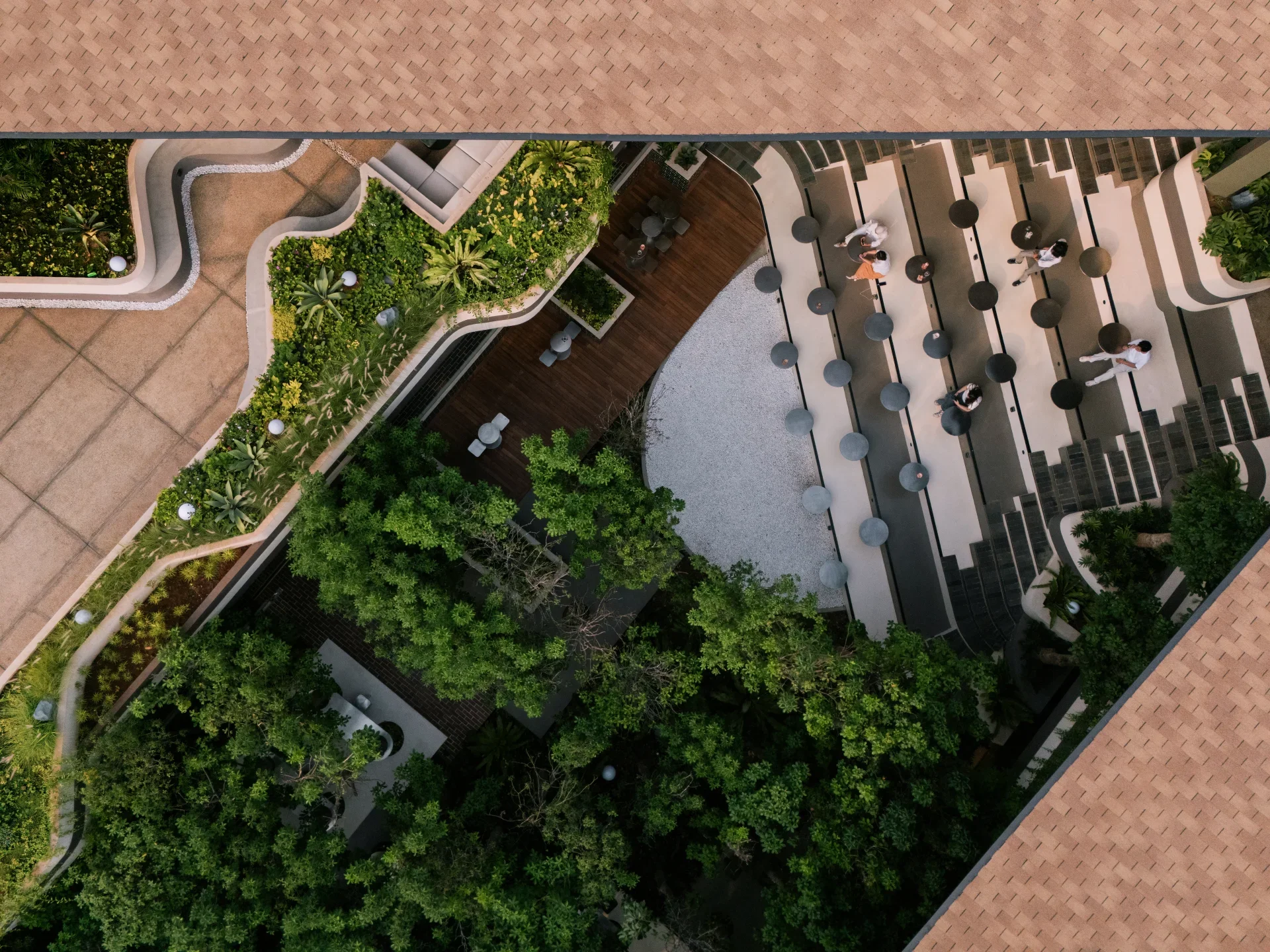
FZ: We believe that idealism in a commercial project is not a zero-sum game. As long as the communication is good and the work is good, many things can be negotiated. It’s not like an arm wrestle, where one side has to lose and the other has to win.
Our role as architects is not simply to convince and educate clients. At the same time, we also have to ensure that even in the worst-case scenario, minimum sustainability can still be maintained.
In some projects, experimentation and idealism can actually deliver better commercial performance. So in our view, idealism in a commercial project doesn’t have to mean sacrificing one for the other.
PP: Most RAD+ar clients already understand how we work and have certain expectations of RAD+ar. Because we are very selective, we only work on what we genuinely want to work on.
Now the focus is on how we, as a design studio, and the client can pursue an idea together. Once we enter the design process, we encourage both ourselves and the client to collectively search for and develop new ideas.
We see clients as discussion partners, rather than approaching them purely based on their requests or based on our own egos.
Searching, Testing, Then Betraying the Old Identity
Written: RAD+ar avoids definitions such as a tropical, sustainable, or experimental studio. Why?
PP: If an identity is very easy to explain, it is probably also easy to imitate. So we deliberately avoid defining ourselves as a tropical, experimental, or sustainable studio.
FZ: We are actually more interested in things we have never done before. We try to move away from the stigma that RAD+ar is tropical or sustainable. Principles like these should already be part of contemporary architecture today.
Written: Or is it possible that there are differences between RAD+ar’s earlier works and its work today?
FZ: We believe that if something we started doing in 2015 or 2020 is still exactly the same today, then it actually means we haven’t improved or become better.
A studio is not a museum of one person’s or several people’s ideas. We believe that a studio should betray its former self in order to grow into something much better.
Written: What about materials? Is experimentation also a way for RAD+ar to search for something new?
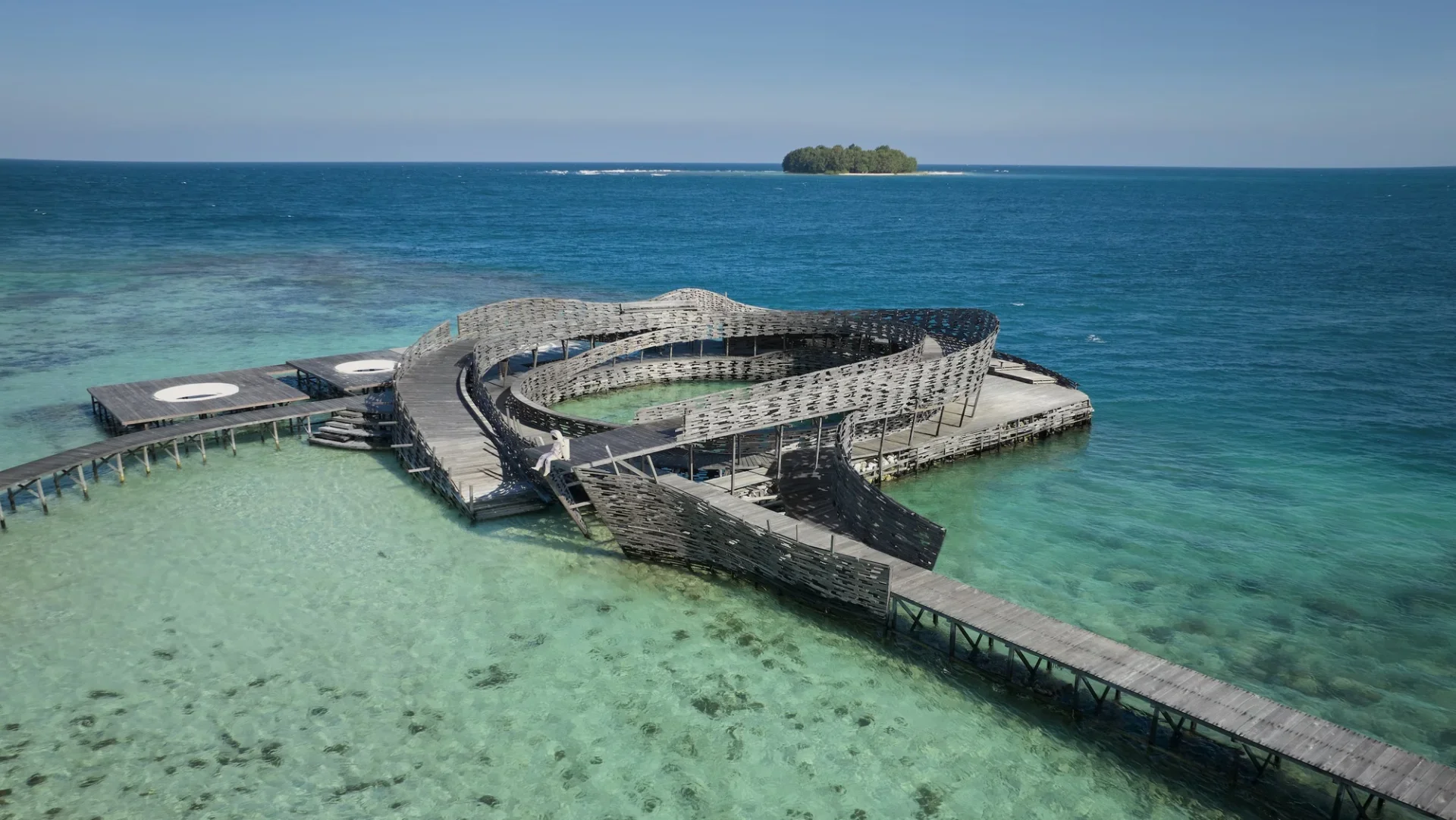
FZ: Material exploration, including failure, is actually one of the exciting parts. Before starting, we usually also ask the contractor to create a mock-up and conduct studies together. That is where the research happens.
We try to use ordinary materials, but create something that may never have been made from those materials before.
But we try to make sure that if we want to use a particular material, it is because it is actually needed, rather than simply because of our own ego. It has to make sense for the client, the business, and maintenance.
Written: Do you have a message for young architects who are still searching for their identity or studio DNA?
FZ: Personally, I would ask: why rush to find your DNA?
DNA is not a logo. It is not something you have to discover at the age of 25 or after completing three projects. DNA is something you have to try repeatedly, make mistakes repeatedly, and try to forget things you believed in at the beginning.
If, in the end, those things emerge again, perhaps that is when they deserve to be called an identity.
Written: If RAD+ar were a film, what film would it be?
PP: It’s not that simple if we have to choose just one film. But if we had to choose a genre, perhaps it would be an adventure film, because at RAD+ar, it feels like we are all together pursuing our collective dream.