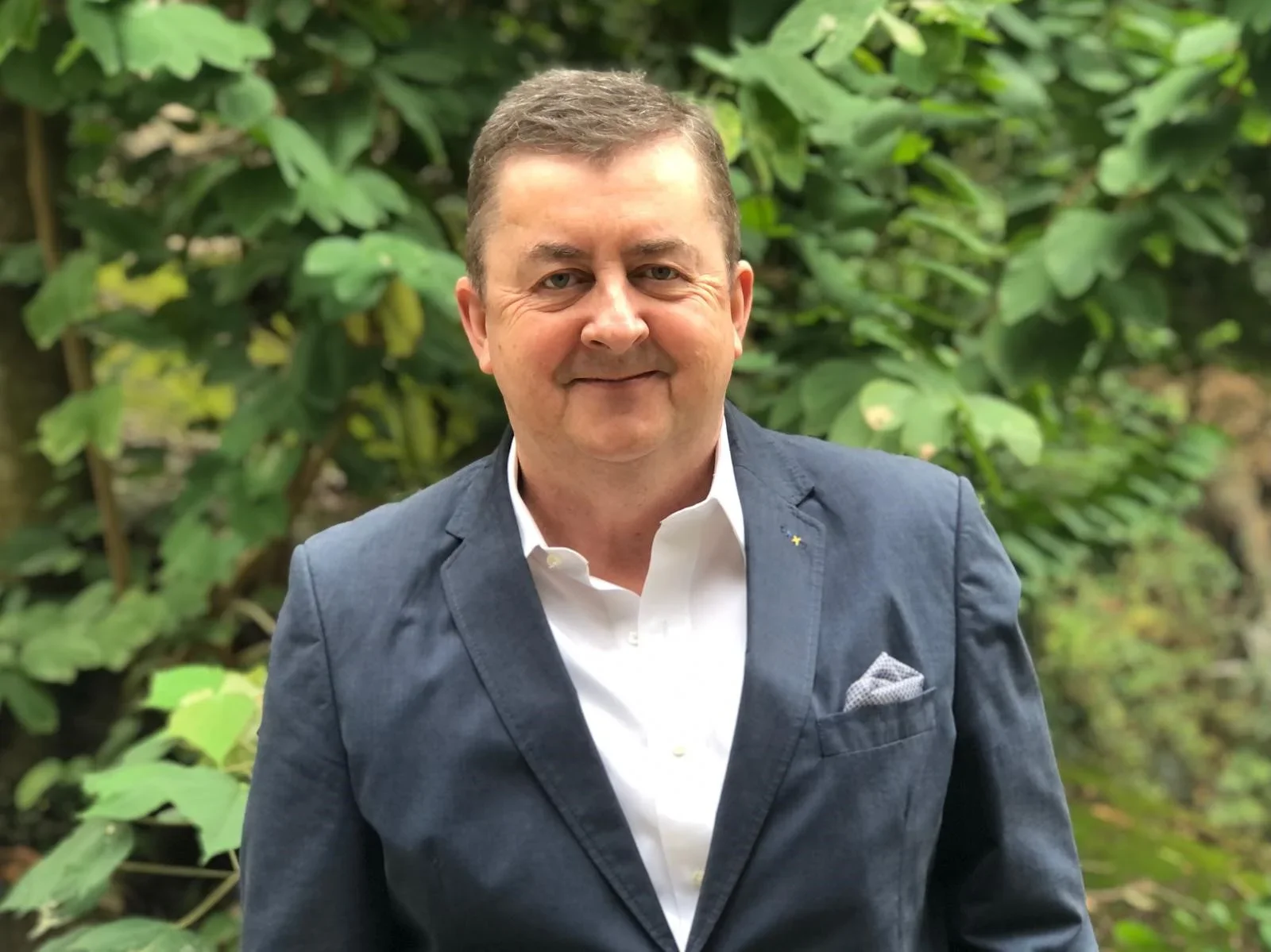
Peter Brannan, Managing Director at Arquitectonica, discusses Transit-Oriented Development in human-centric cities.
The modern metropolis is evolving at an unprecedented pace, bringing massive population shifts that demand a re-evaluation of how our cities are designed. Standing at the forefront of this global transformation is Arquitectonica, a global design leader with five decades of high-level international practice, and led in Asia and the Middle East by Peter Brannan.
Brannan recently marked a major milestone by returning to Arquitectonica—the global architecture giant where he previously spent 18 years—to take on the pivotal role of Managing Director for the Asia Pacific and Middle East regions, having previously directed Skidmore, Owings & Merrill (SOM) Asia Pacific Practice. His strategic homecoming is fueled by a vision to reconfigure and expand the firm's footprint, tapping into the extraordinary economic and population growth within the ASEAN territory.
Based in Hong Kong, Brannan’s design philosophy bridges divergent urban typologies, from the capital-intensive developments of the Gulf to the dense fabric of Southeast Asian megacities. He is a believer in public transport systems and Transit-Oriented Development (TOD), a master-planning principle proven in Asian city-states that Arquitectonica has helped cross-pollinate back to Western markets.
Guided by a humanist approach, Brannan consistently challenges developers and governments to eschew surface-level architectural gimmicks and address the underlying infrastructure constraints that dictate the true quality of human life.
Read our conversation with Peter Brannan below.
Strategic Return & Bridging Middle East and Asia
Written: After your time at SOM, you chose to return to Arquitectonica, where you had already dedicated 18 years of your career. What drew you back to the firm at this stage?
Peter Brannan (PB): Well, Arquitectonica, are very good friends and I have a long history with them. They asked me to rejoin them, to help reconfigure and expand the business. We are a global firm—always have been—working in 63 countries across 13 offices, including Miami, New York, Los Angeles, Paris, Dubai, Hong Kong, Shanghai, and Manila. There is so much potential business in Asia and the Middle East right now. When you look at the economic growth, population changes, and momentum of the ASEAN region, the opportunities are considerable. The challenge proved to be attractive.
Written: Your current remit covers both the Middle East and the Asia Pacific. How do you approach designing for hyper-scale projects in places like Dubai or Riyadh versus dense Asian markets?
PB: You read a lot in the media about things being "hyper-futuristic". On the ground, these are quite different markets with distinct politics, economics, and cultures. Dubai is tailored toward international buyers and attracting global wealth to a tax-free city, so 95% of the population is foreign. Riyadh is different, with perhaps 5% foreigners, where you are designing housing for local people and families with normal jobs. Designing a residential building in Riyadh is quite different from designing one in Dubai, and different again from designing in Hong Kong or New York.
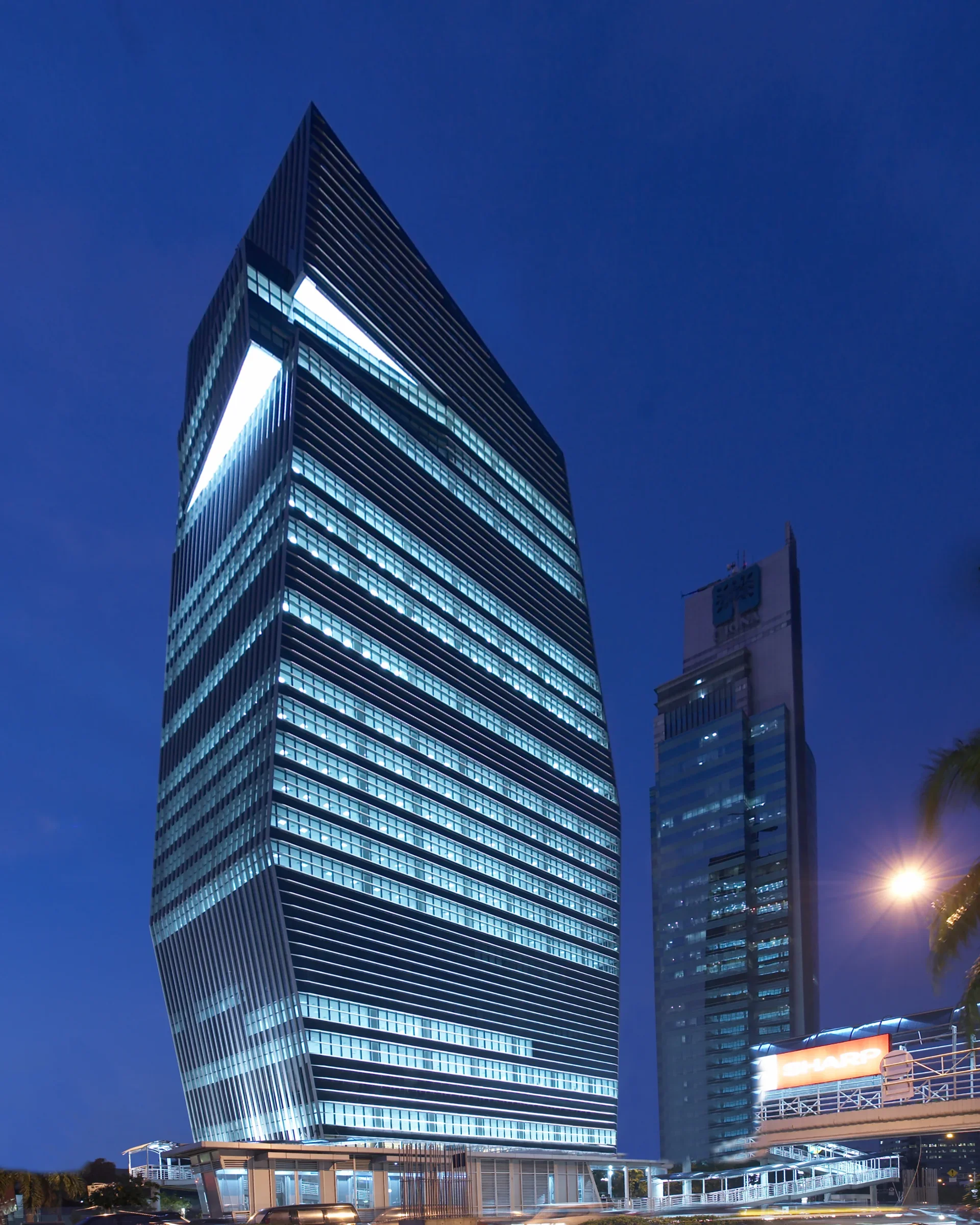
Written: How do you successfully cross-pollinate design philosophies between these diverse regions?
PB: You manage it through knowledge and experience of the cultures you have had the good fortune to have engaged with. Historically at Arquitectonica, we brought ideas from the West to the East. Today, we are taking high-density ideas cultivated in Asia and applying them to the West.
Our Brickell City Centre project in Miami is an Asian high-density model—integrating office, hotel, residential, and retail spaces seamlessly. Bringing what you’ve learned living in Hong Kong or working in places like Shenzhen and Shanghai, and adapting those principles to Jakarta or Manila, is what keeps you sharp.
Reality Clash in Jakarta: Land Ownership and City Infrastructure
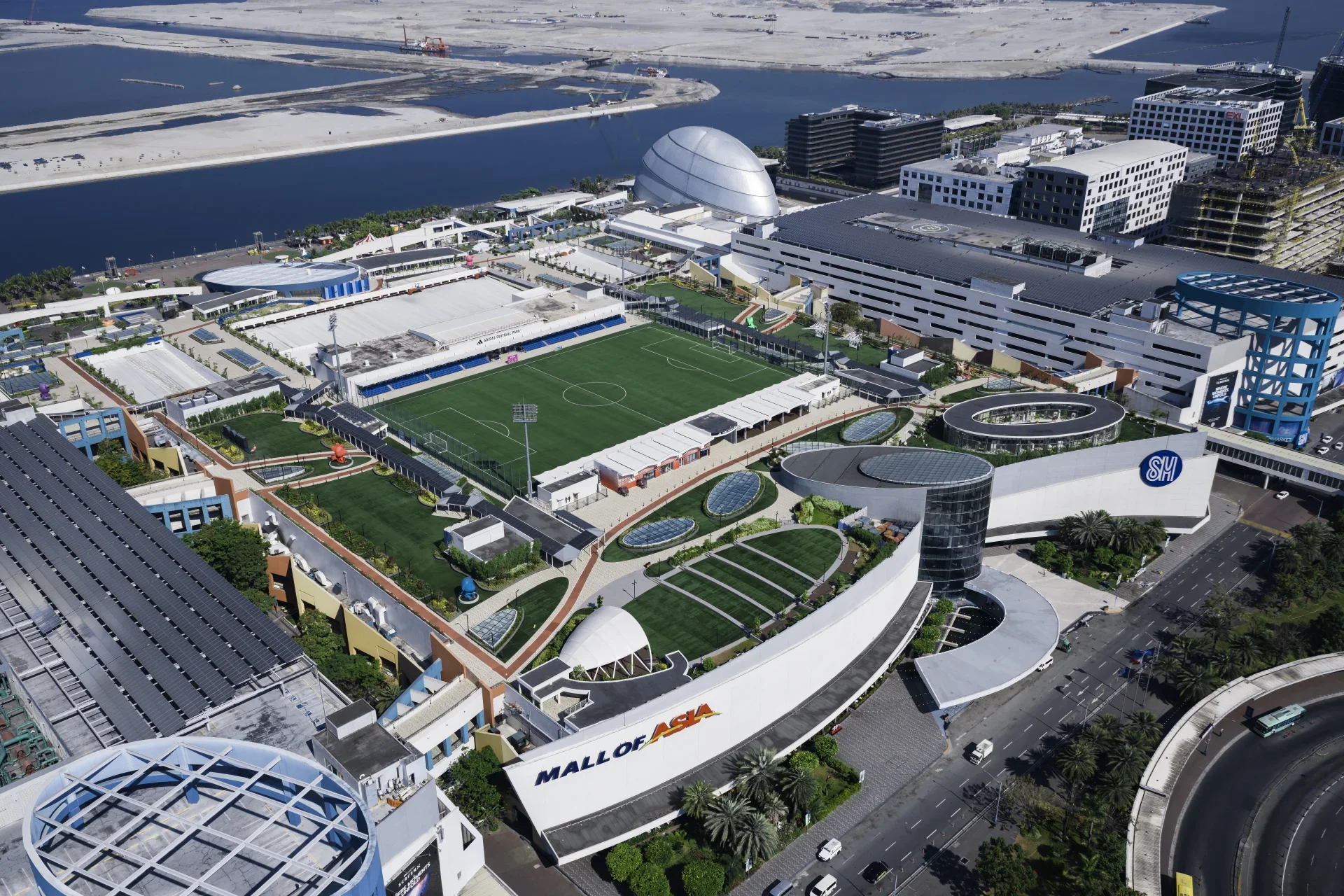
Written: When dealing with infrastructure-heavy concepts like TOD in Jakarta, can you directly transplant success stories from places like Hong Kong?
PB: Not directly, because Jakarta's public transport network is historically in its early stages. There are complex structural differences to map out. In Hong Kong or Singapore, land ownership was historically "crown land" under the British colonial system. That centralized ownership gave governments freedom to implement infrastructure projects that benefited the whole of society.
In Bangkok or Jakarta, the land is privately owned. When you ask a private developer to give up a portion of their land for the shared benefit of the city, the initial reaction is often negative. This limits the benefits the infrastructure and transport systems can bring to the city.
Written: How do you break through that mentality and convince stakeholders to build integrated urban spaces?
PB: Overcoming that resistance is the real design challenge. Integrating urban spaces increase the value of the building around the space.
A few years ago, I brought the team from MRT Jakarta (MRTJ) to Hong Kong so they could experience integrated depots firsthand. Because land values in Hong Kong are high, you wouldn't leave a train depot uncovered. We showed them how a depot can be encased inside retail spaces, schools, hospitals, and residential towers. They couldn't see the depot at first because it was fully integrated into the community fabric. This came as quite a revelation to MRTJ.
Written: What is fundamentally missing from the conversation surrounding city planning in emerging megacities right now?
PB: There aren't enough institutional platforms, debates, and town halls to openly discuss these complex questions. Also successful city design requires building deep social consensus. Look at Barcelona; what they have today is the result of years of ongoing open public trial, error, and institutional debate.
At the moment, city planning remains largely uncoordinated between city government departments who do not coordinate enough with regard to transport planning. More inter-department coordination is needed-Transport for London is a good example.
Humanist Architecture: Transport's Impact on Health & Advice for Young Architects
Written: The architecture industry loves buzzwords like "zero-carbon" or "sponge cities." How do we strip away the jargon to build sustainably in a practical way?
PB: We need to limit the jargon. We are talking to the ordinary people who live in these cities. Concepts like sponge cities are perfectly implementable in Jakarta. But the core of urban sustainability is an integrated public transport network. The world’s most successful cities are uniform in this regard: they prioritize the basic ability for a citizen to safely walk and cycle, and move around the city in clean, efficient, cost-effective public transport.
Written: If you could isolate one crucial reality that the general public needs to grasp about the future of our urban centers, what would it be?
PB: Public transport. It directly dictates collective health. Washington DC's Urban Land Institute recently conducted a study on health and TOD, noting that Hong Kong has surpassed Japan for the world's longest life expectancy. The secret isn't a magical lifestyle; it's mandatory physical and social activity.
Elderly citizens in Hong Kong are constantly moving—walking downstairs, catching buses, riding trains, and taking ferries to meet friends for yum cha or mahjong. Contrast that with a car-centric lifestyle in Jakarta, where you sit passively in a traffic jam for two hours each morning and evening. That car-centric mentality is bad for your health.
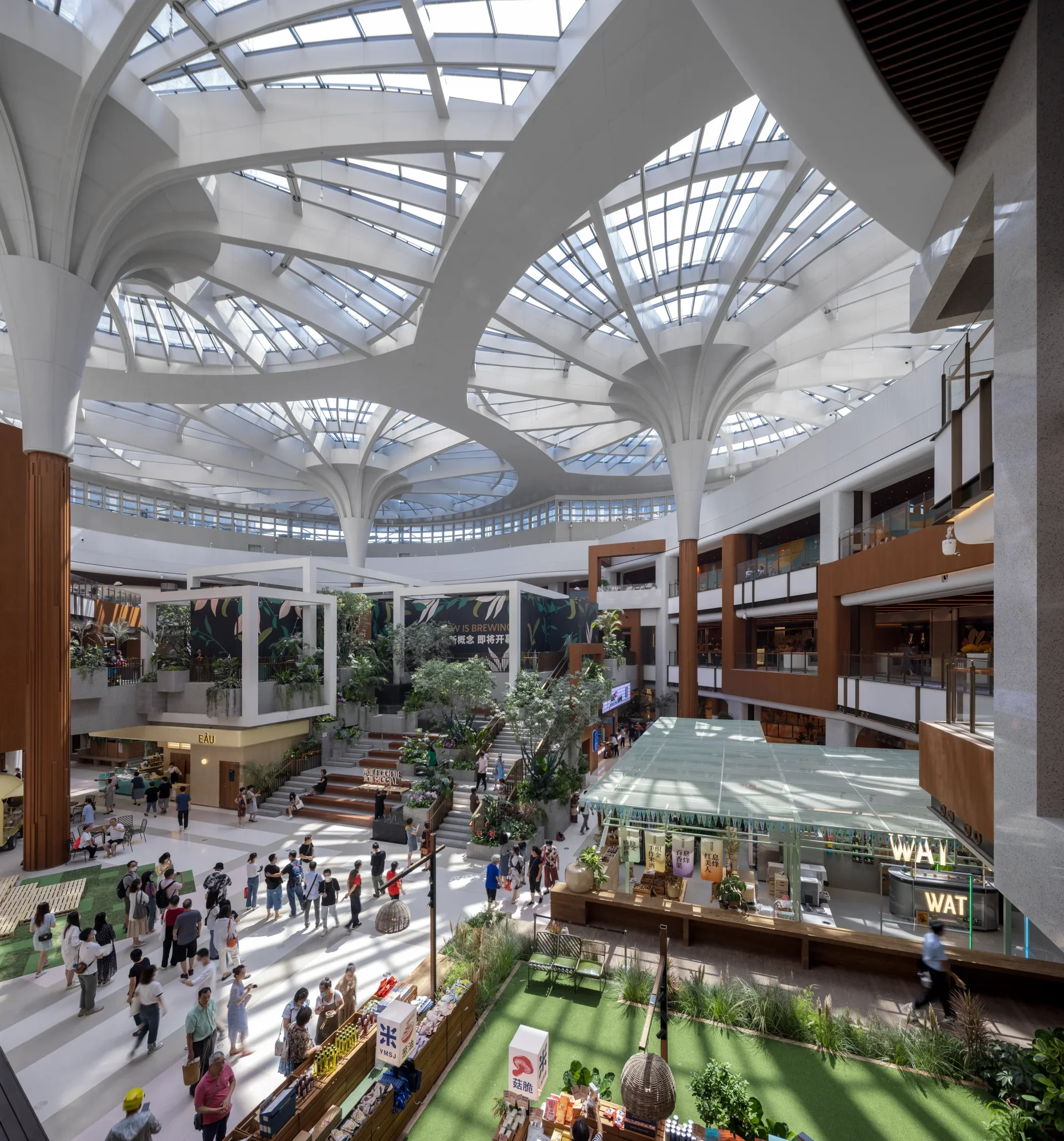
Written: What does it mean to be an architect in this era, and what is your core message to the next generation of design students?
PB: For young architects, you couldn't be in a better profession. Markets will go up and markets will go down, and politicians will come and go, but cities keep evolving. In a place like Indonesia, you are looking at the biggest urban agglomerations in the world, which presents a fantastic opportunity to catch up and make great cities even greater. But we must design for humans, not for cars, to give cities a soul. And finally, plant trees, lots of trees.