Discover how CNS Designworks approaches sustaining, adapting, and staying relevant as a design practice.
Starting out as an individual practice in Makassar in 2012, CNS Designworks has grown into an architecture and interior consultancy with an increasingly broad scope of work. Today, CNS is supported by a multidisciplinary team covering architecture, interior and decoration, drafting, and project management, with a portfolio that largely spans commercial, hospitality, and lifestyle spaces.
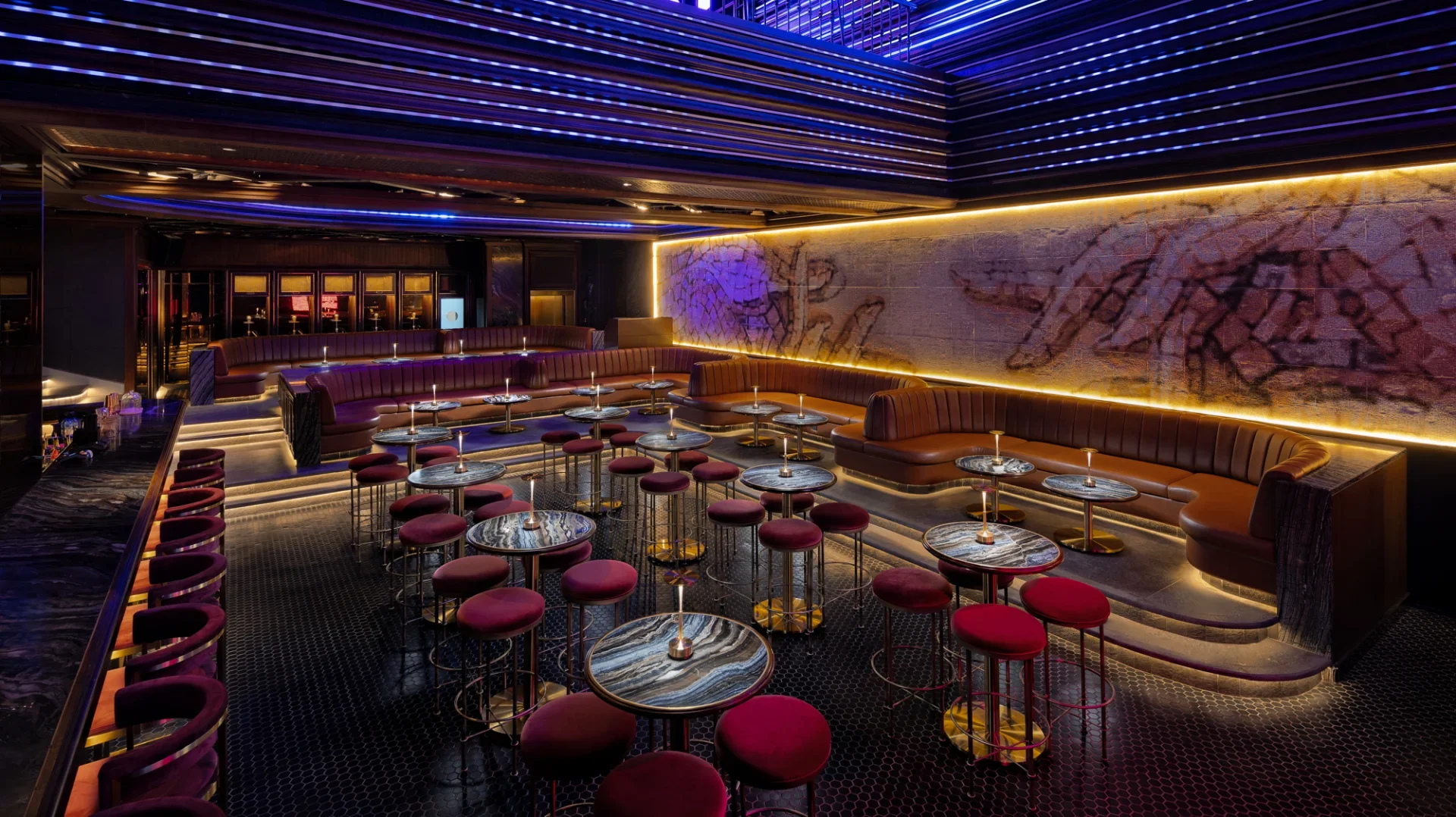
CNS, an acronym derived from the middle names of its three co-founders—Cipta, Nyata, and Sentosa—is closely associated with a number of hospitality and entertainment projects. Its portfolio includes various Holywings projects, H Club SCBD, HW Tiger, and Atlas Beach Club in Bali. Yet behind these visually distinctive projects, CNS sees design as something far more complex than simply creating spaces that look appealing.
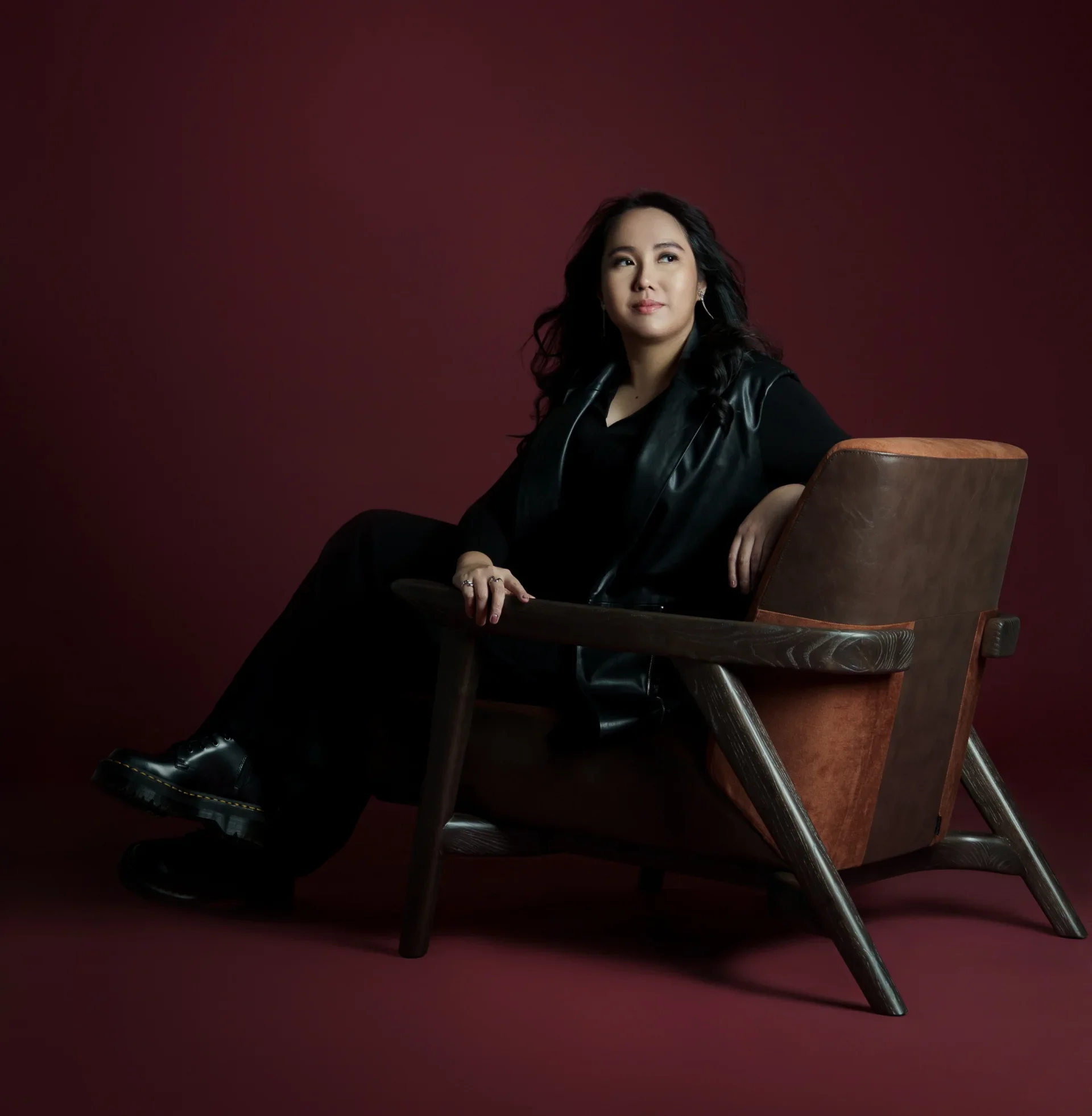
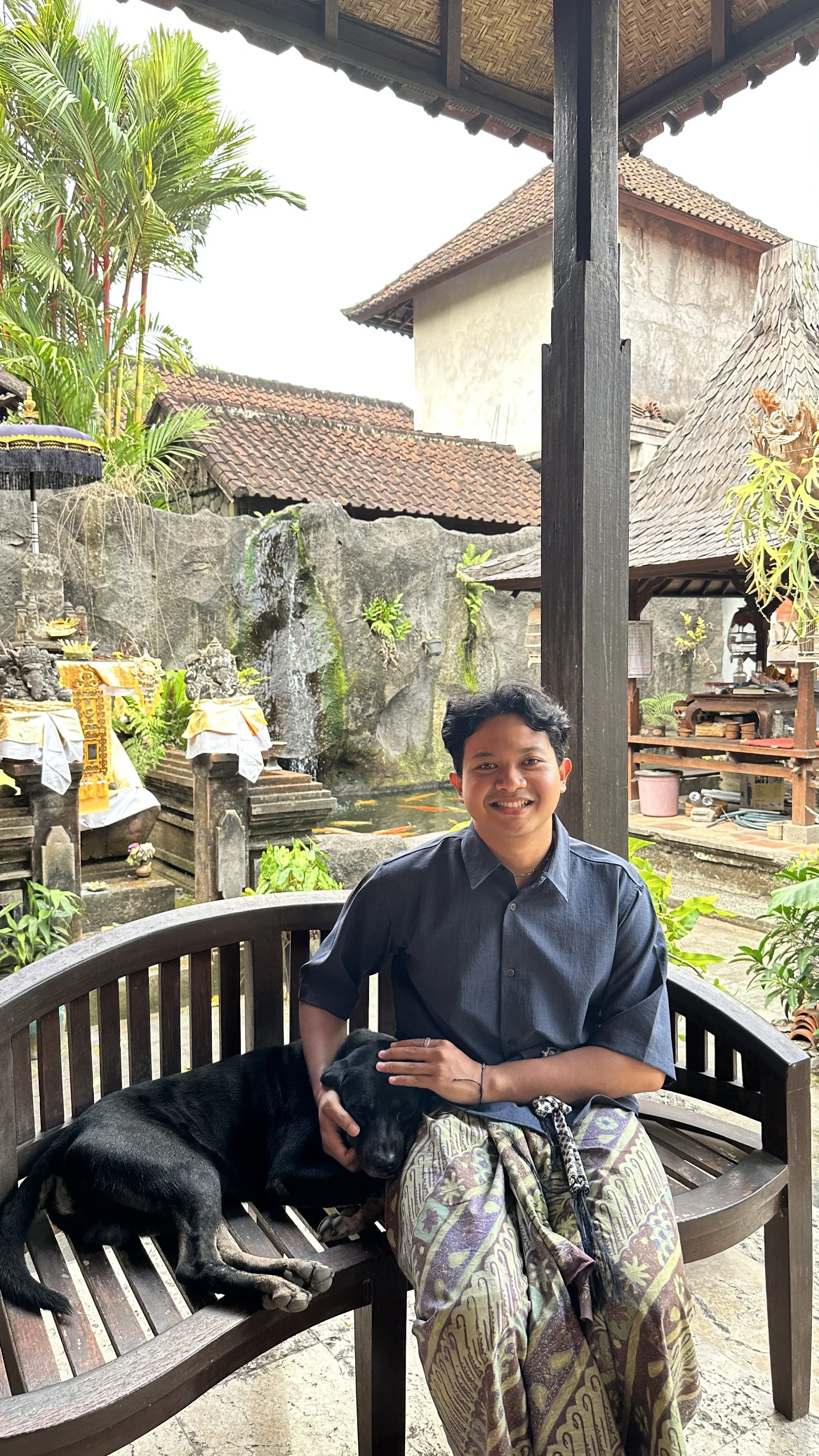
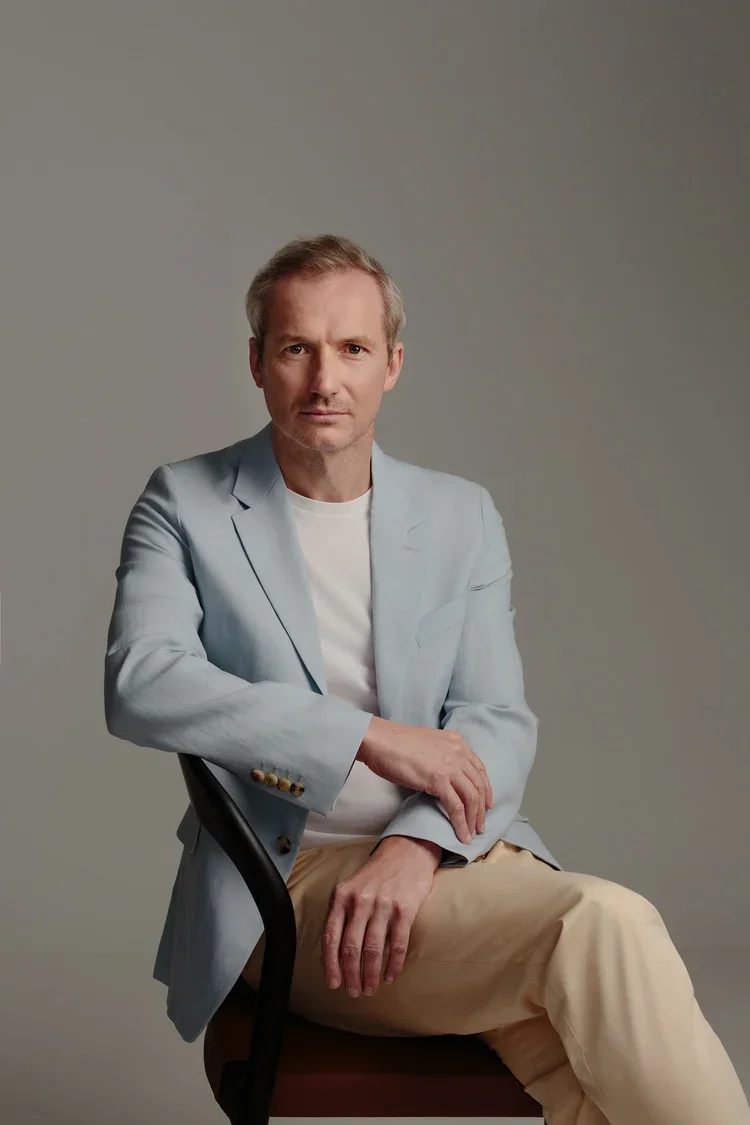
Written had the opportunity to sit down with Cipta Setia Wijaya and Rosie Honggoputri to discuss the challenges faced by CNS Designworks, the importance of regeneration, and how they continue to stay grounded in the realities of practice.
Regeneration as a Way to Sustain the Practice
Written: CNS is still a relatively young studio. Why is regeneration already an issue you are thinking about?
Cipta Setia Wijaya (CSW): If we don't start now, when will we? For us, the number one challenge for a designer who wants to make their firm sustainable is regeneration. Realistically, when we're 50, do we still want to be drawing everything ourselves?
Things are also changing very quickly. From around 2012 to 2020, being able to create complex 3D models wasn't necessarily a requirement for an architect. Many senior architects could still operate SketchUp and AutoCAD or create their own layouts. Now, they increasingly don't have the time to do those things themselves.
Written: So, what exactly does CNS want to bridge between senior and younger generations?
CSW: Producing good work isn't really a problem for Gen Z. The bigger challenge lies in people skills. They need to know how to build common ground with others, how to communicate, and how to ask for something without making the working relationship feel rigid.
RH: That's why sometimes we like talking about random trivia. Experiences and stories shared across generations can serve a purpose. Small things, such as knowing cultural references or songs from another generation, can become common ground for settling down with someone and asking for a favor.
Written: What has changed in the way CNS builds its team today?
RH: We actually enjoy hiring interns because they still come with a willingness to learn. There's still that curiosity about what working is really like. That's different from people who come in feeling that they already need to prove they can work.
CSW: Graduating from architecture doesn't automatically mean someone already knows how to improve people's well-being. It's like a doctor who has just graduated: they have the basic knowledge, but that doesn't mean they're immediately capable of saving lives. There's a long process that comes afterward.
When Design Meets Reality
Written: CNS seems to have an interesting approach to execution. Does the final result need to look as close as possible to the design drawings?
CSW: No. That's not the priority. In Indonesia, a certain degree of imprecision is part of everyday reality on site. Many workers rely on experience rather than certification. If we want something to be truly precise, of course it can be done, but there are usually consequences in terms of cost and time.
So the question isn't simply, “Can it be done?” but rather, “Does the client have the luxury to achieve it?” Ultimately, we have to return to the project's priorities.
Written: If that's the case, what is actually the most important thing to manage?
CSW: Timeline. There's no point drawing the finishes if the MEP isn't finished yet. There's no point preparing furniture working drawings if the columns haven't even been cast. The column dimensions might change, and then everything has to be redone.
That's why our work is carried out in stages, with each stage following the previous one. Once the structural drawings are completed, we move to the next stage. Once MEP is finished, we move forward again. Construction management becomes a very important part of the process. The principle is simple: get the job done.
Written: How important is material experimentation in CNS's design process?
CSW: Very important. We really enjoy experimenting. The world today makes people increasingly familiar with things they've already seen. So the challenge is finding something people haven't seen before. It's no longer simply about following trends. It's about making the trend itself.
One example is a project that used marble bending technology. From there came the idea of creating a marble-bending “scarf” more than 100 meters long. The design process itself took around nine months, while production only began three months before installation.
Experiments like this also show that Indonesia actually has incredibly impressive manpower and technology. We aren't always behind the rest of the world.
Knowing Yourself Before Becoming a “Designer”
Written: CNS is also quite active in engaging with students and fresh graduates. In your view, what is something that is often not taught at university?
RH: At university, we learn design principles: composition, ergonomics, and so on. But once we enter the professional world, we often have to compromise those theories.
For example, ergonomically, a corridor is ideally supposed to have a certain width. But when designing a club, a narrower space might actually make the atmosphere feel more crowded and create a particular story. So what isn't always taught at university is how to compromise theory with everyday life. Not everything can be applied literally.
Written: What is the most important message for young designers entering the professional world?
CSW: It's also important to know yourself. We can admire someone, but don't just admire what they become. It's more important to look at how they become. Don't simply want to become like someone else without understanding the journey that brought them there.
RH: Don't be afraid of the ups and downs. That's still something we're learning too. Sometimes the desire to succeed actually makes us afraid of failure. But the path is never straight. It can turn in all sorts of directions, and that's part of the process.
Ultimately, we've also learned to let go of some unrealistic idealism. That doesn't mean giving up on idealism, but learning when to compromise with reality.
Written: If CNS were a food, what would it be?
CSW: Gado-gado?
RH: No! Indomie. The base is already good, it's loved by many people, you can add all kinds of things to it, and most importantly, it's simple without compromising quality.